
 Pin to board
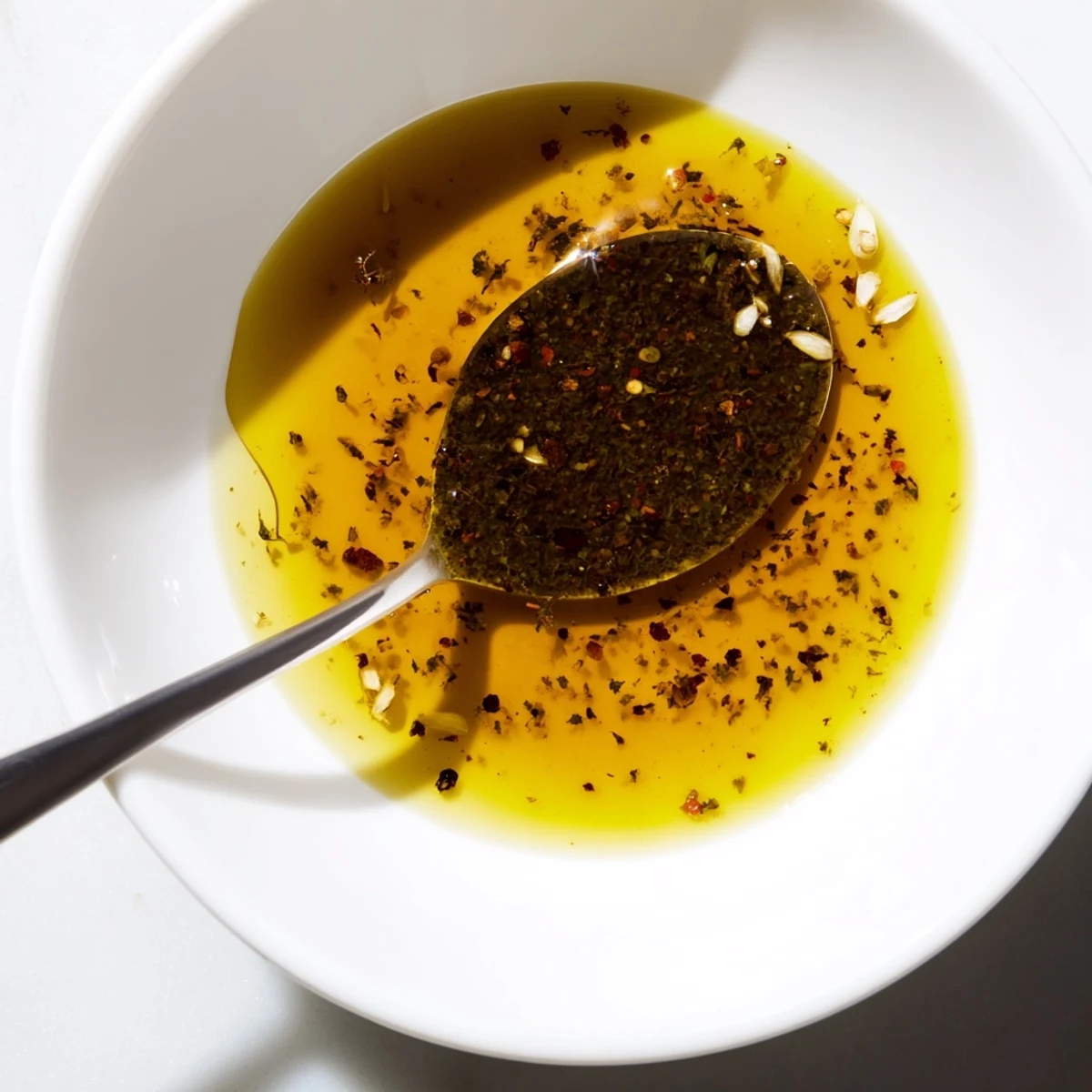
 This Italian vinaigrette combines extra-virgin olive oil with red wine vinegar, a squeeze of lemon, Dijon mustard, minced garlic and a touch of honey. Whisk until emulsified, then fold in parsley, basil and oregano. Adjust acidity and seasoning to taste. Use immediately or chill up to one week; shake before serving. Great on leafy greens, roasted vegetables or as a marinade for grilled proteins.
The summer my neighbor left a grocery bag overflowing with garden tomatoes on my porch, I spent an entire Sunday afternoon figuring out what to dress them with.
I doubled the batch that evening and drizzled it over everything from sliced cucumbers to a piece of grilled sourdough, and my roommate actually paused mid bite to ask what was in it.
Ingredients
- Extra virgin olive oil (1/2 cup): Use the best oil you have because this is the body of the dressing and any flat or bitter oil will show.
- Red wine vinegar (1/4 cup): It provides a sharp, fruity backbone that pairs naturally with Italian herbs.
- Fresh lemon juice (1 tablespoon): A bright lift that keeps the vinegar from feeling one dimensional.
- Dijon mustard (2 teaspoons): This is your emulsifier and the quiet flavor booster that holds everything together.
- Garlic, finely minced (2 cloves): Fresh garlic punches harder than anything in a jar, so mince it as fine as you can stand.
- Honey (2 teaspoons): Rounds off the acidity and I learned the hard way that skipping it makes the whole thing taste harsh.
- Fresh parsley (2 tablespoons, chopped): Adds a clean, grassy note that dried parsley simply cannot replicate.
- Fresh basil (1 tablespoon, chopped, or 1.5 teaspoons dried): Summer basil is ideal but dried works respectably when the garden is under snow.
- Dried oregano (1 teaspoon): That unmistakable pizza shop warmth comes right through in every drop.
- Salt (3/4 teaspoon): Start here and adjust upward after tasting because under salted vinaigrette tastes flat.
- Black pepper (1/2 teaspoon): Freshly cracked makes a noticeable difference.
- Crushed red pepper flakes (optional, 1/2 teaspoon): Toss these in if you want a flicker of heat at the finish.
Instructions
- Build the acidic base:
- Drop the vinegar, lemon juice, Dijon, garlic, and honey into a medium bowl or a wide mouth jar and whisk until the honey dissolves and everything looks cohesive.
- Stream in the oil slowly:
- Pour the olive oil in a thin, steady stream while whisking like you mean it until the dressing turns creamy and opaque, which means it has emulsified.
- Add the herbs and seasoning:
- Stir in the parsley, basil, oregano, salt, pepper, and red pepper flakes if you are using them, then give it a good taste.
- Adjust and serve:
- Tweak the salt or add another splash of vinegar if it needs brightness, then use it right away or park it in the fridge.
- Store for later:
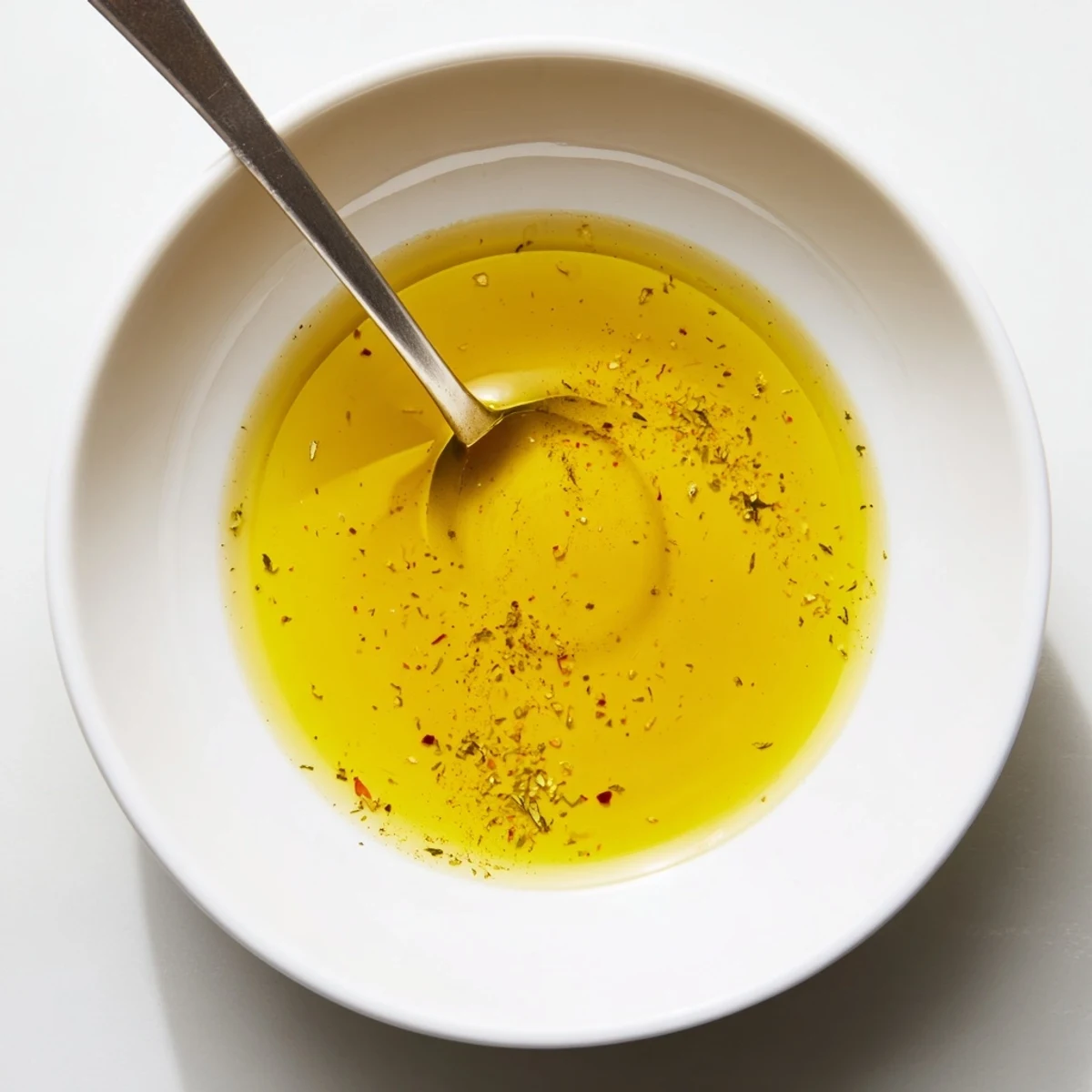
- Keep it in a sealed jar in the refrigerator for up to one week and shake vigorously before each use because it will separate and that is perfectly normal.
 Pin to board
 That same neighbor now drops off herbs instead of tomatoes, and every time I shake up a jar of this dressing I think about how a brown paper bag changed my entire approach to salads.
Getting Creative with It
Once you have the base formula locked in, start playing with it to suit whatever you are eating.
How to Store It Properly
A mason jar with a tight lid is honestly the best vessel because you can shake it clean in seconds.
What to Pair It With
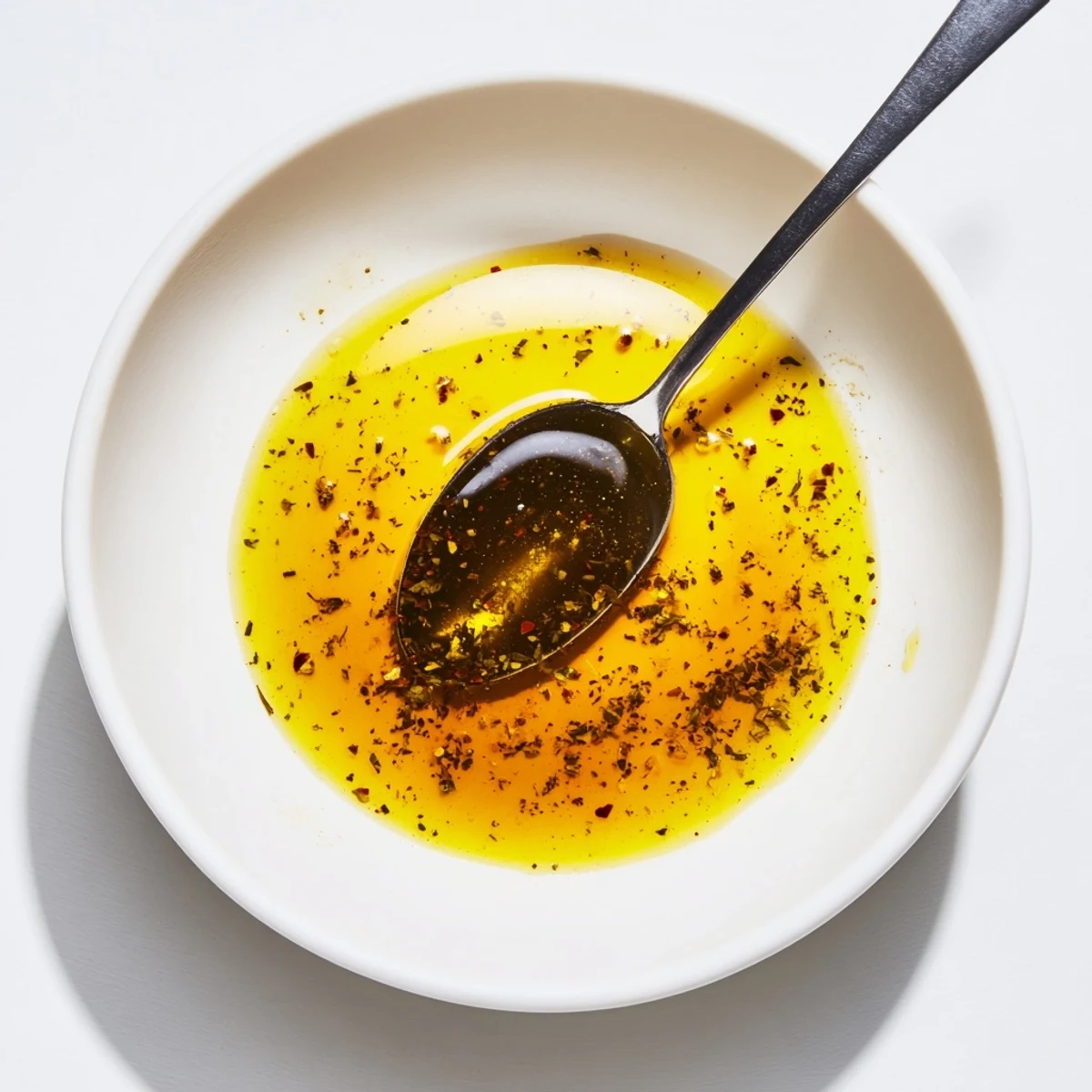
This dressing goes far beyond leafy greens and I keep discovering new uses for it.
- Spoon it over roasted carrots or grilled zucchini for a bright, tangy finish.
- Use it as a quick marinade for chicken thighs before hitting the grill.
- Toss leftover pasta with a few spoonfuls and call it a cold Italian side dish.
 Pin to board
 Keep a jar in your fridge and you will find yourself reaching for it more often than you expect.
Recipe FAQs
- → Can I make this without honey?
-
Yes. Swap honey for granulated sugar, maple syrup, or agave to keep it vegan-friendly. Start with the same measure and adjust sweetness to taste.
- → How do I get a stable emulsion?
-
Whisk the vinegar, lemon, mustard and aromatics first, then drizzle the olive oil in slowly while whisking vigorously. Dijon mustard helps bind oil and vinegar for a creamier finish.
- → How long will it keep in the fridge?
-
Stored in an airtight container, the vinaigrette stays fresh for up to one week. Chill between uses and shake or stir well before serving to recombine the oil and acids.
- → What are good vinegar substitutes?
-
Apple cider vinegar offers a milder, fruitier tang; white wine vinegar is cleaner and lighter. For richer notes, try a mild balsamic but reduce any additional sweeteners.
- → Can I use dried herbs instead of fresh?
-
Yes. Use about one-third the amount of dried herbs as fresh (for example, 1 tablespoon fresh basil = 1½ teaspoons dried). Add dried herbs earlier so they hydrate and release flavor.
- → What foods pair best with this vinaigrette?
-
It brightens leafy salads, complements roasted or grilled vegetables, and works as a quick marinade for chicken, seafood or firm tofu. Also drizzle over grain bowls for extra zing.