
 Pin to board
 This bright orange vinaigrette blends freshly squeezed orange juice and grated zest with white wine vinegar, Dijon mustard, honey, salt and pepper, finished with extra-virgin olive oil. Whisk the acid and aromatics, then stream in oil to emulsify until creamy. Yields about 3/4 cup and keeps chilled up to five days. Try shallot or lemon for variation.
My kitchen windowsill had a pile of sad, wrinkled oranges one February afternoon, and rather than toss them, I squeezed the last bit of life out of them into a jar with some vinegar and oil. That desperate little experiment turned into the brightest, most addictive dressing I have ever made, and now I buy oranges specifically to keep a batch of this vinaigrette in my fridge at all times.
I brought a jar of this to a potluck dinner where my friend Laura was serving a plain arugula salad, and she quietly pulled me aside to ask what sorcery I had used on the dressing.
Ingredients
- Freshly squeezed orange juice (1/3 cup, about 1 large orange): Bottled juice tastes flat and metallic here, so please use a real orange and you will notice the difference immediately.
- White wine vinegar or champagne vinegar (2 tablespoons): Either works beautifully, but champagne vinegar has a softer edge that lets the orange shine.
- Finely grated orange zest (1 teaspoon): This is where the perfume lives, so use a microplane and grate only the colored skin, never the bitter white pith underneath.
- Dijon mustard (1 teaspoon): Acts as the bridge that holds oil and vinegar together, and adds a gentle heat that balances the sweetness.
- Honey or maple syrup (1 tablespoon): Maple syrup works if you want a vegan version, though honey gives a rounder floral sweetness.
- Sea salt (1/2 teaspoon): Start here and adjust later, because the orange juice concentration varies by fruit.
- Freshly ground black pepper (1/4 teaspoon): A finer grind disperses better in liquid dressings than coarse cracked pepper.
- Extra virgin olive oil (1/2 cup): Use a good one but not your most expensive finishing oil, since the orange flavor will dominate anyway.
Instructions
- Build the flavor base:
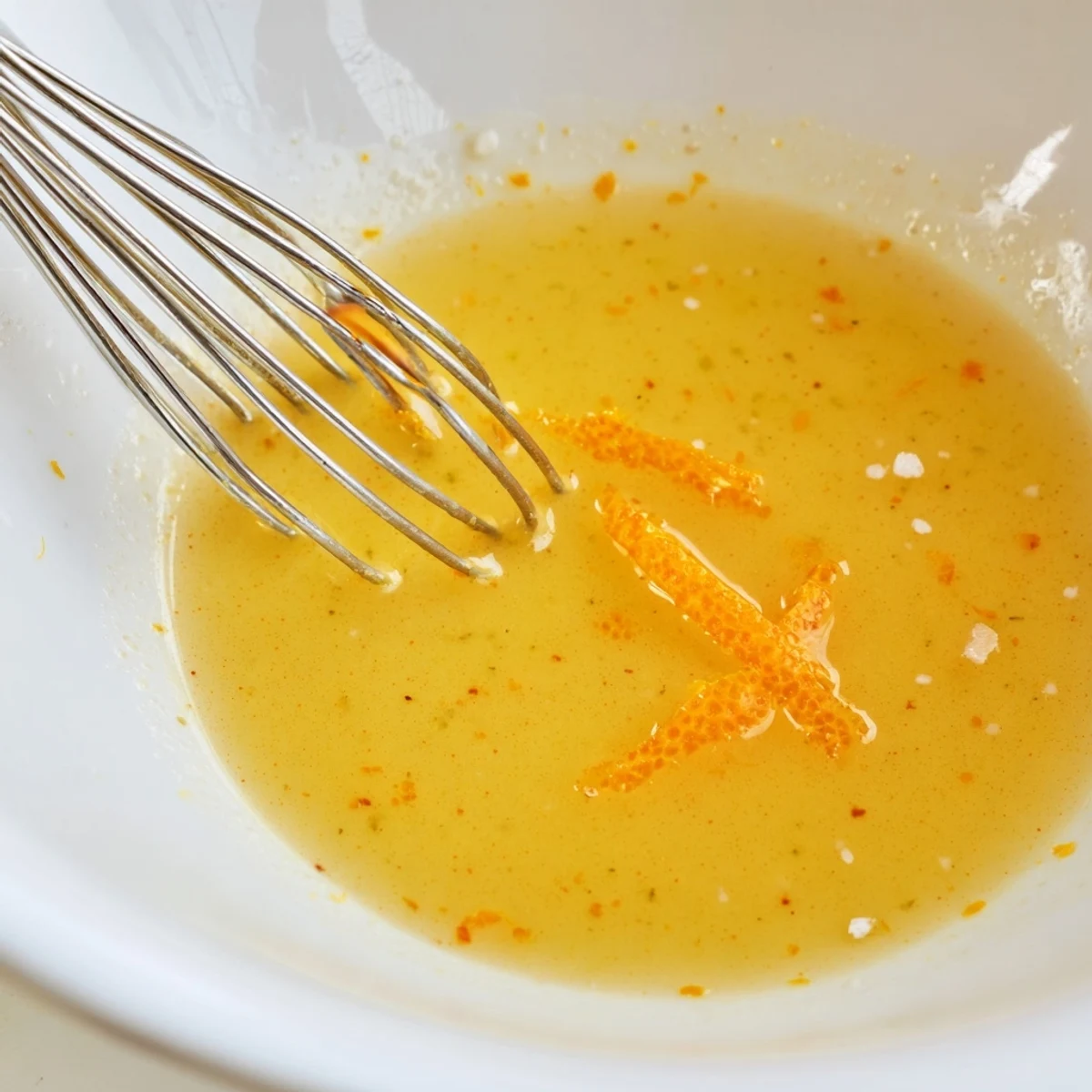
- Drop the orange juice, zest, vinegar, Dijon mustard, honey, salt, and pepper into a medium bowl and whisk until the honey dissolves completely and everything looks unified.
- Emulsify the oil:
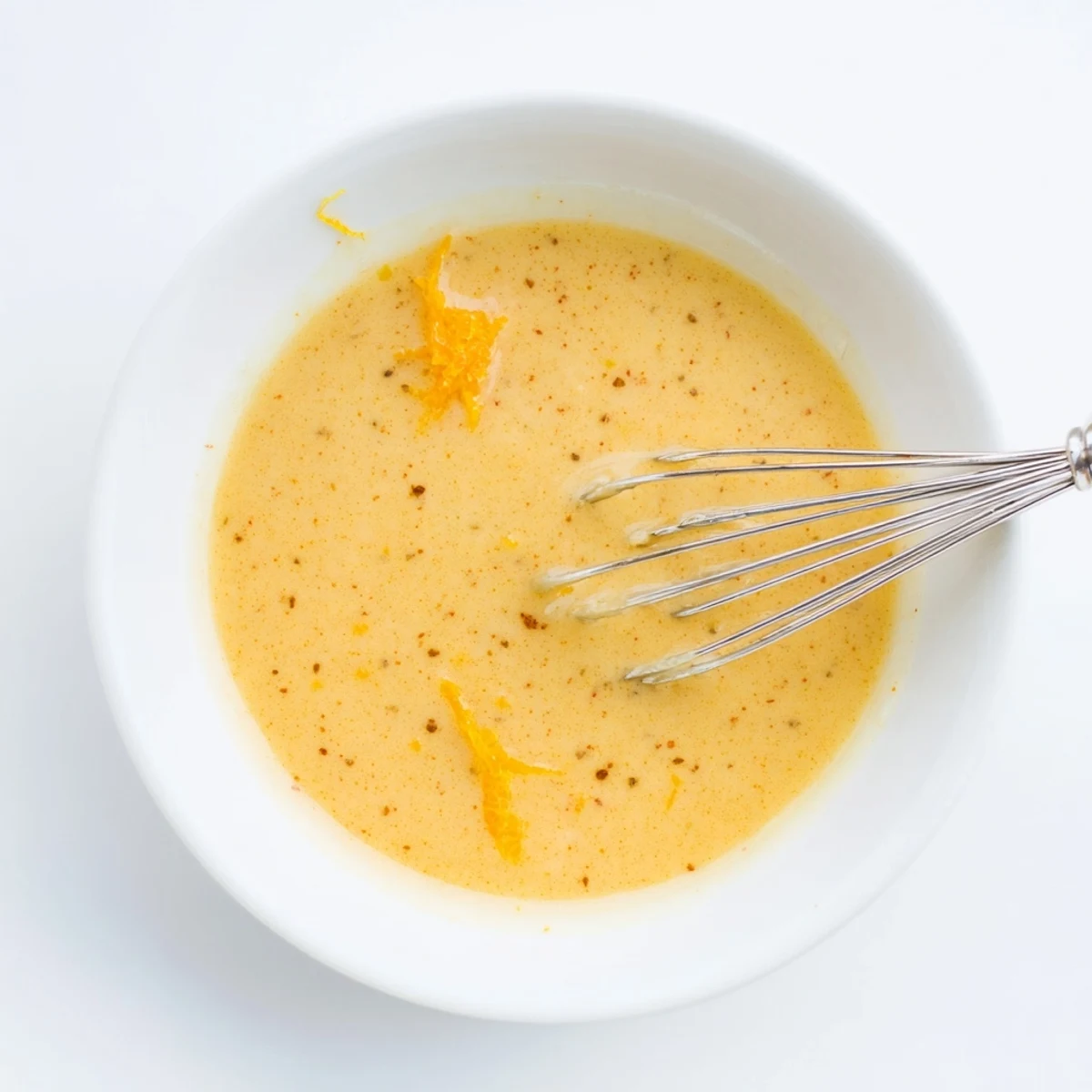
- Pour the olive oil in a slow, thin stream while whisking like you mean it, and watch the mixture turn creamy and opaque as it comes together into a silky vinaigrette.
- Taste and adjust:
- Dip a small piece of lettuce in, shake off the excess, and chew it so you taste the dressing the way it will actually be eaten, then add more salt, pepper, or honey as needed.
- Store or serve:
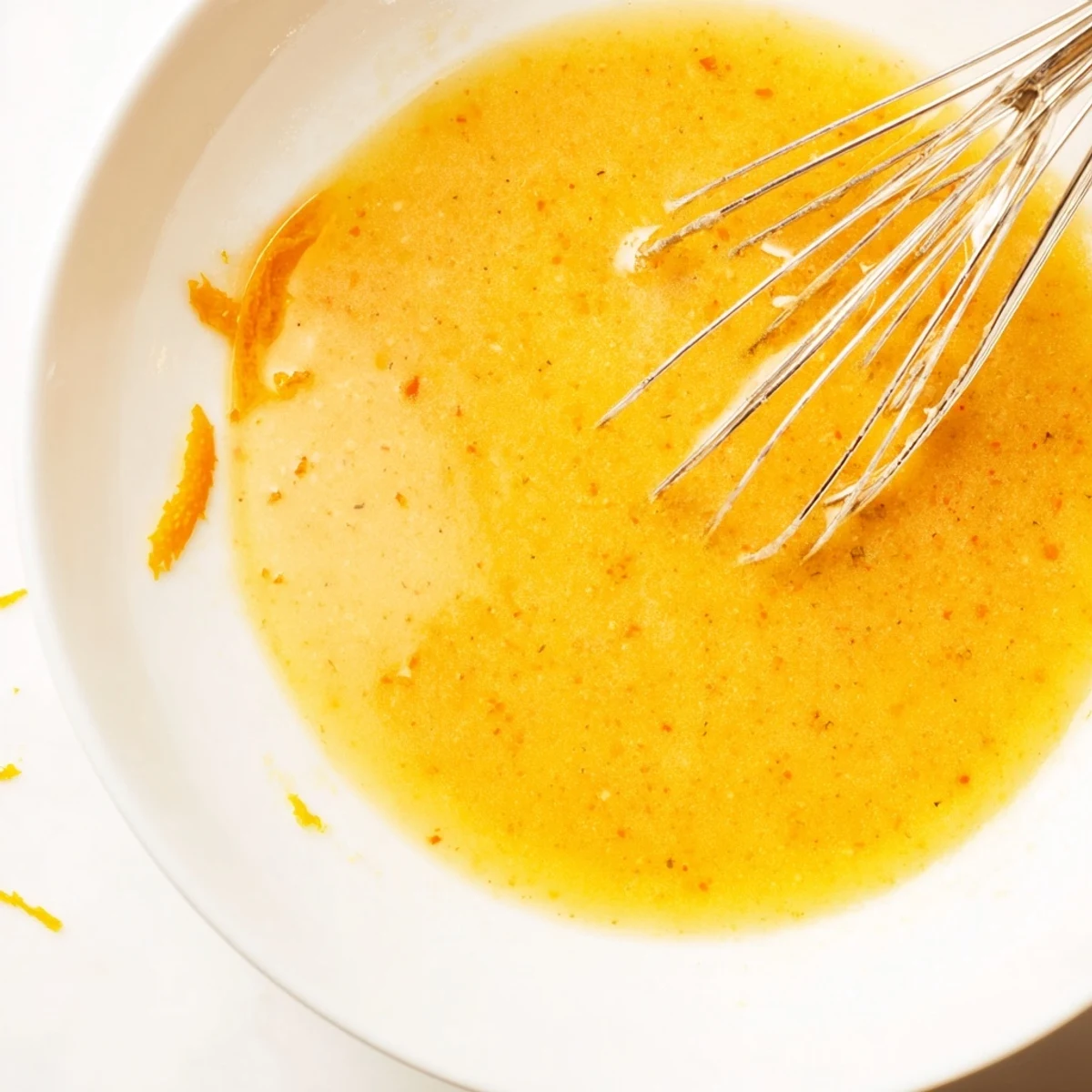
- Use it right away or pour it into a jar and refrigerate for up to five days, giving it a vigorous shake whenever you need it.
 Pin to board
 One evening I drizzled the last spoonful over grilled asparagus straight off the fire, and my teenager who refuses to eat vegetables ate three spears without complaint.
Getting the Balance Right
Oranges vary wildly in sweetness and acidity depending on the season and variety, so treat the recipe as a starting point and let your palate guide you.
Tools That Make It Easier
A microplane is nonnegotiable for the zest because a coarse grate releases bitter oils from the pith that ruin the delicate flavor.
Serving Ideas Beyond Salad
This vinaigrette is far too versatile to live only on lettuce, so think bigger when you make a batch.
- Spoon it over seared scallops right before serving for an instant finishing sauce.
- Toss warm roasted carrots or sweet potatoes with it for a bright side dish.
- Always let the vinaigrette come to room temperature and shake well before using, since cold oil thickens and seizes.
 Pin to board
 Keep a jar of this in your refrigerator and you will find yourself reaching for it more nights than not, turning whatever simple thing you cooked into something worth savoring.
Recipe FAQs
- → How do I get a stable emulsion?
-
Whisk the acid, mustard and seasonings first, then add the olive oil in a slow, steady stream while whisking vigorously. Dijon helps bind oil and juice for a creamier, more stable emulsion.
- → Can I substitute another sweetener for honey?
-
Yes—maple syrup is a good one-to-one substitute for honey for a similar sweetness and mouthfeel, and it keeps the dressing suitable for those avoiding honey.
- → How long will the vinaigrette keep?
-
Stored in a sealed container in the refrigerator, it will keep up to five days. Shake or whisk before each use, as separation is natural.
- → What can I add for more savory depth?
-
Add a pinch of minced shallot or a small clove of grated garlic for aromatics, or a teaspoon of chopped fresh herbs like tarragon or parsley to deepen the flavor.
- → Is lemon juice a good substitution for orange?
-
You can substitute part of the orange juice with lemon for brighter acidity; combining both citrus juices balances sweetness and tartness nicely.
- → Which dishes pair best with this vinaigrette?
-
It brightens mixed green salads, complements grilled asparagus, and works well as a marinade or finishing drizzle for fish and seafood.
- → Any allergen notes to consider?
-
The vinaigrette contains Dijon mustard. If mustard or vinegar sources are a concern, check labels for cross-contamination or choose certified alternatives.