
 Pin to board
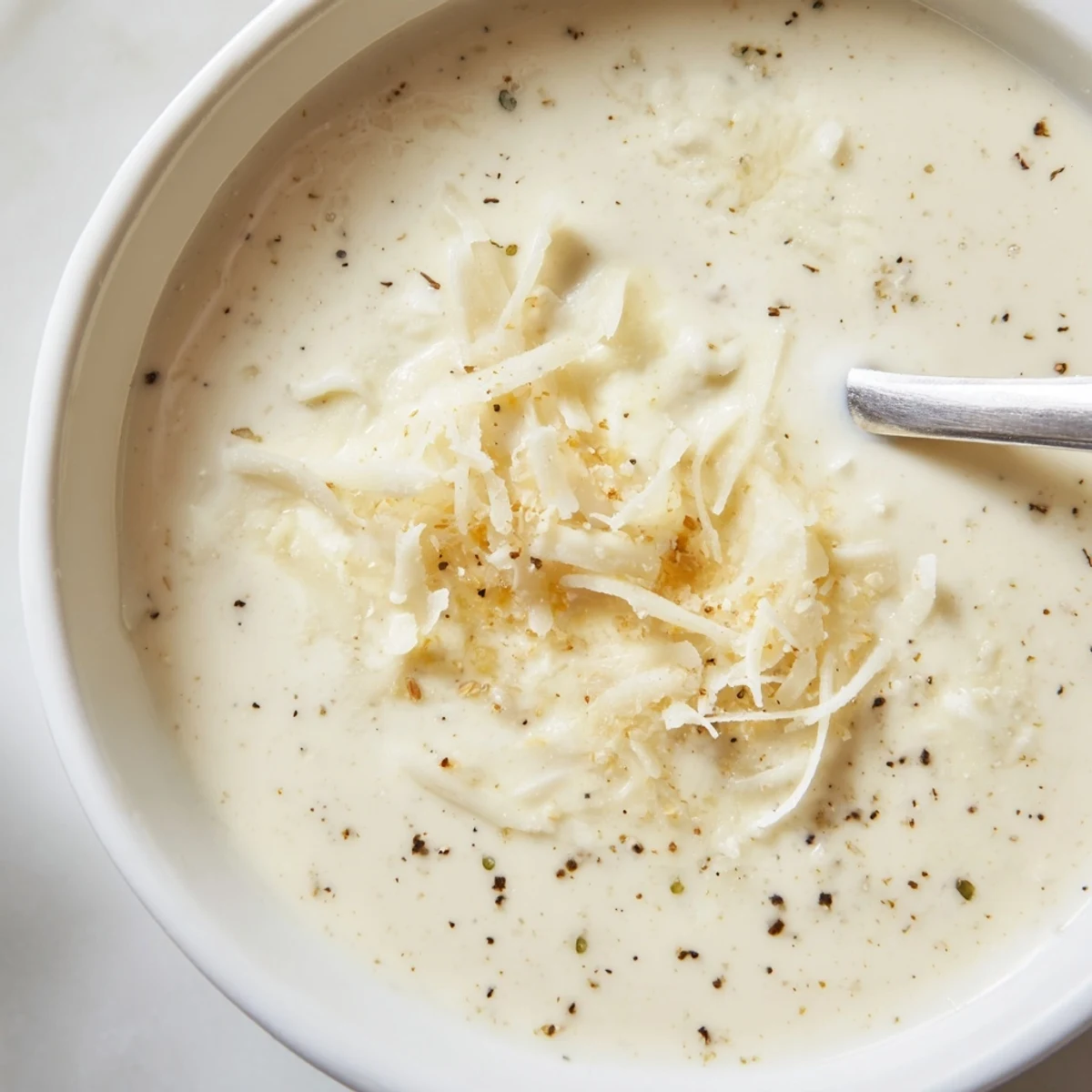
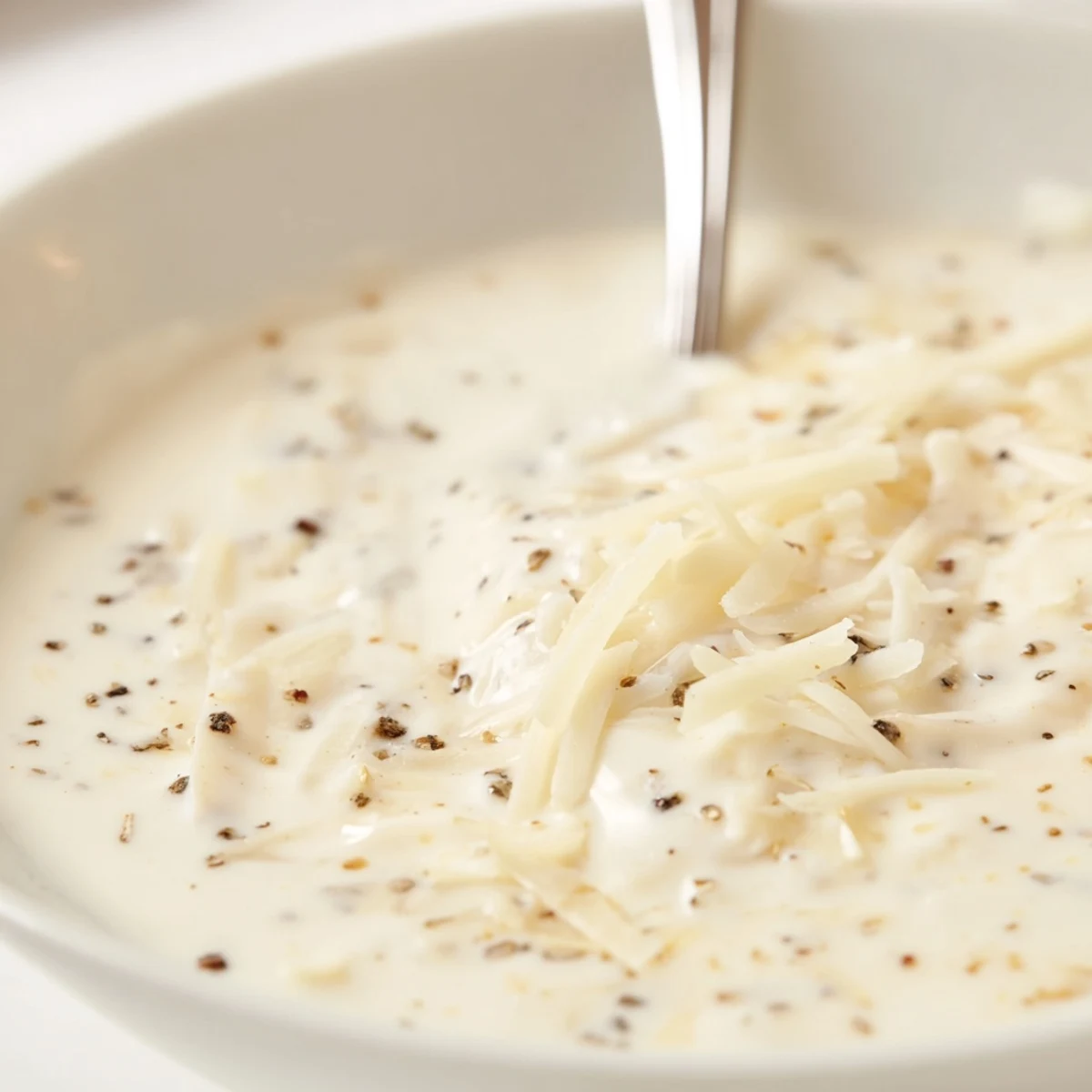
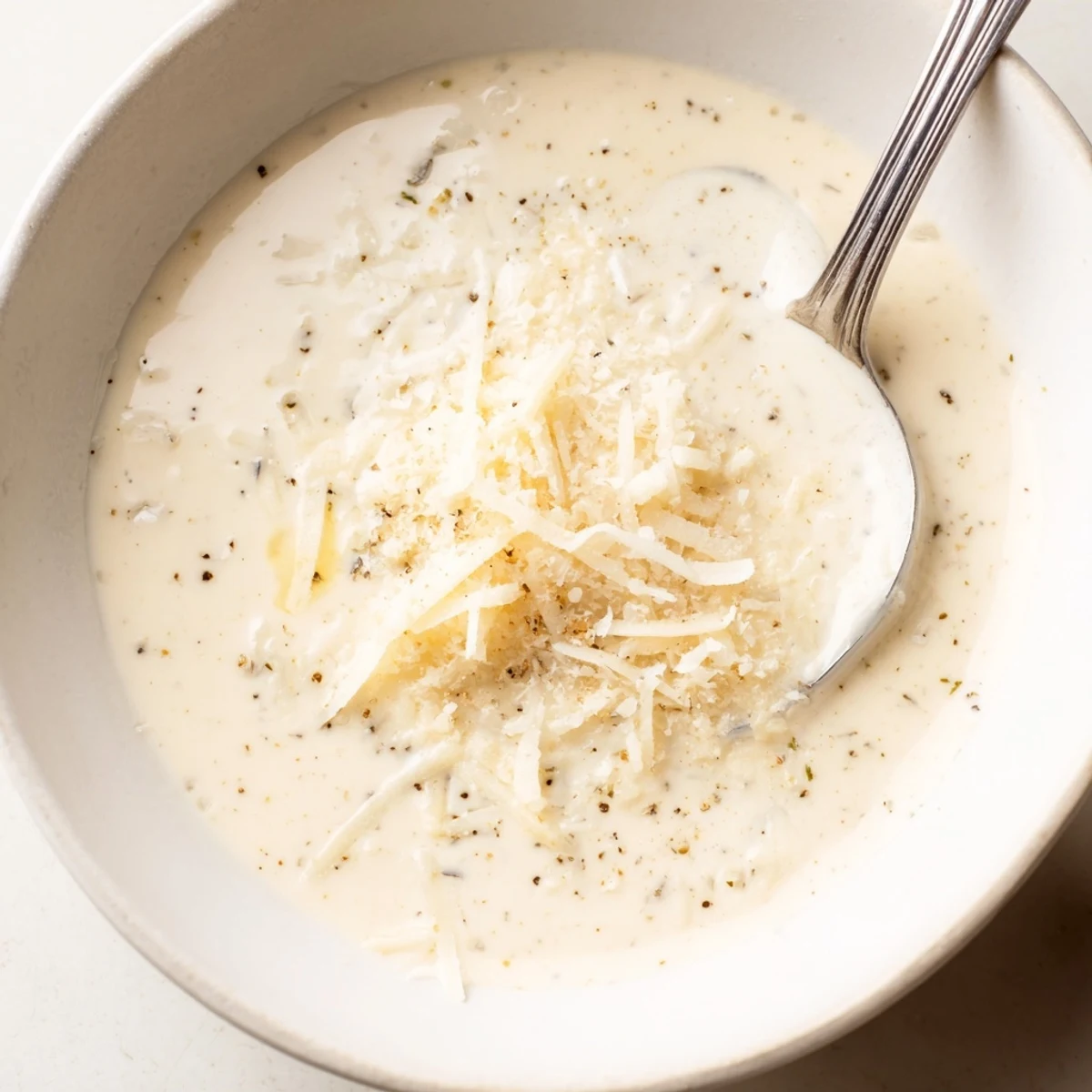
 This tangy, creamy Parmesan vinaigrette blends freshly grated Parmesan with white wine vinegar, lemon juice, Dijon, garlic and a touch of honey, bound by extra-virgin olive oil. Whisk the acids, mustard and aromatics, then drizzle in oil while whisking to emulsify. Stir in the cheese to thicken and add savory depth. Chill briefly and shake or whisk before serving over greens, roasted vegetables or grilled proteins.
The summer my garden exploded with butter lettuce was the summer I learned that store bought dressing is a crime against good vegetables. I stood at the counter one evening, too stubborn to drive to the store, and started whisking whatever I had into a bowl. That haphazard Parmesan vinaigrette ruined me for everything else.
My neighbor Dave stopped by unannounced one Friday with a bag of tomatoes from his yard, and I tossed together a quick salad with this vinaigrette. He stood in the kitchen eating straight from the bowl and told me I should bottle it. I have not bottled it, but I have made it roughly two hundred times since then.
Ingredients
- 1/3 cup freshly grated Parmesan cheese: Do not use the shelf stable canned version. Grate it from a block right before making the dressing and the difference is staggering.
- 1/4 cup extra virgin olive oil: Use the good stuff here since the flavor really comes through in a raw dressing like this one.
- 2 tablespoons white wine vinegar: This provides a clean, bright acidity that lets the Parmesan shine without fighting it.
- 1 tablespoon lemon juice, freshly squeezed: Bottled juice tastes flat and metallic. One squeeze from an actual lemon changes everything.
- 1 teaspoon Dijon mustard: Acts as the emulsifier that holds the dressing together and adds a subtle heat.
- 1 clove garlic, finely minced: One clove is enough. More than that and the garlic takes over the whole conversation.
- 1 teaspoon honey (optional): A small amount rounds out the sharp edges and brings all the flavors into focus.
- 1/4 teaspoon freshly ground black pepper: Pre ground pepper tastes dusty. Freshly cracked is non negotiable here.
- 1/2 teaspoon kosher salt: Adjust after tasting because the Parmesan already contributes significant saltiness.
Instructions
- Build the flavor base:
- In a medium bowl, whisk together the white wine vinegar, lemon juice, Dijon mustard, honey, minced garlic, salt, and pepper until the mixture looks unified and the mustard is fully dissolved.
- Emulsify with oil:
- Pour the olive oil in a very thin stream while whisking aggressively. You will see the dressing transform from separated to silky and cohesive.
- Fold in the Parmesan:
- Stir in the freshly grated cheese and watch the dressing thicken into something velvety and almost spreadable.
- Taste and adjust:
- Dip a lettuce leaf in rather than tasting from a spoon. It gives you a much better sense of how the dressing will actually perform on the plate.
- Store properly:
- Transfer to a jar with a tight lid and refrigerate. The olive oil may solidify slightly in the cold, so let it sit at room temperature for a few minutes and shake well before using.
 Pin to board
 There is something quietly powerful about making your own dressing. It turns a bag of greens into a real meal and makes you feel like someone who genuinely knows their way around a kitchen.
What to Drizzle It On
This vinaigrette goes far beyond salads. Try it spooned over roasted carrots, drizzled across grilled chicken, or used as a dip for crusty bread. My favorite application might be a simple plate of sliced tomatoes and mozzarella on a hot evening when cooking feels impossible.
Making It Your Own
A pinch of red pepper flakes gives the dressing a low, warm hum that builds with each bite. Chopped fresh basil or parsley stirred in at the end makes it taste like summer in a jar. Once you have the base formula memorized, the variations are endless and forgiving.
Storage and Shelf Life
Keep it in an airtight jar in the refrigerator for up to one week. The flavors actually improve after a day of resting together. Just remember to pull it out about fifteen minutes before serving so the olive oil liquefies again.
- Shake the jar vigorously before each use to recombine everything.
- If the dressing seems too thick after refrigerating, stir in a splash of warm water.
- Always use a clean spoon to avoid introducing bacteria that could shorten its life.
 Pin to board
 A good vinaigrette is really just a ratio and a little patience, and this one pays you back every single time. Keep a jar in your fridge and you will find yourself reaching for it constantly.
Recipe FAQs
- → How do I get a smooth, well-emulsified vinaigrette?
-
Start by whisking the vinegar, lemon, mustard and aromatics together, then add the oil in a slow, steady stream while whisking vigorously. An immersion blender or food processor will produce an even smoother emulsion; finely grate the cheese for better integration.
- → Will the dressing thicken when chilled?
-
Yes. The grated Parmesan and olive oil tighten as they cool, so the vinaigrette will become thicker in the refrigerator. If it firms up too much, bring it to room temperature briefly or whisk in a splash of warm water or extra oil to loosen it.
- → How should I adjust seasoning and acidity?
-
Taste as you go: add small pinches of salt and freshly ground pepper to balance flavors, and tweak acidity with extra lemon or white wine vinegar. A touch of honey or a little more Dijon can round sharp edges without hiding the cheese's savory note.
- → What foods pair best with this vinaigrette?
-
The tangy, savory profile complements crisp leafy greens, roasted vegetables (like Brussels sprouts or carrots), grilled proteins, and grain bowls. It also brightens simple salads with bitter lettuces or peppery arugula.
- → How long does it keep and how should I store it?
-
Transfer to an airtight jar and refrigerate; it keeps up to one week. Separation is normal—shake or whisk vigorously before using. If the texture becomes grainy, reblend briefly to restore creaminess.
- → Can I substitute the Parmesan or vinegar?
-
For a sharper edge, swap in Pecorino Romano; for a milder nutty note, try finely grated aged Asiago. White wine vinegar can be replaced with apple cider vinegar or a milder sherry vinegar, adjusting quantities to taste.