
 Pin to board
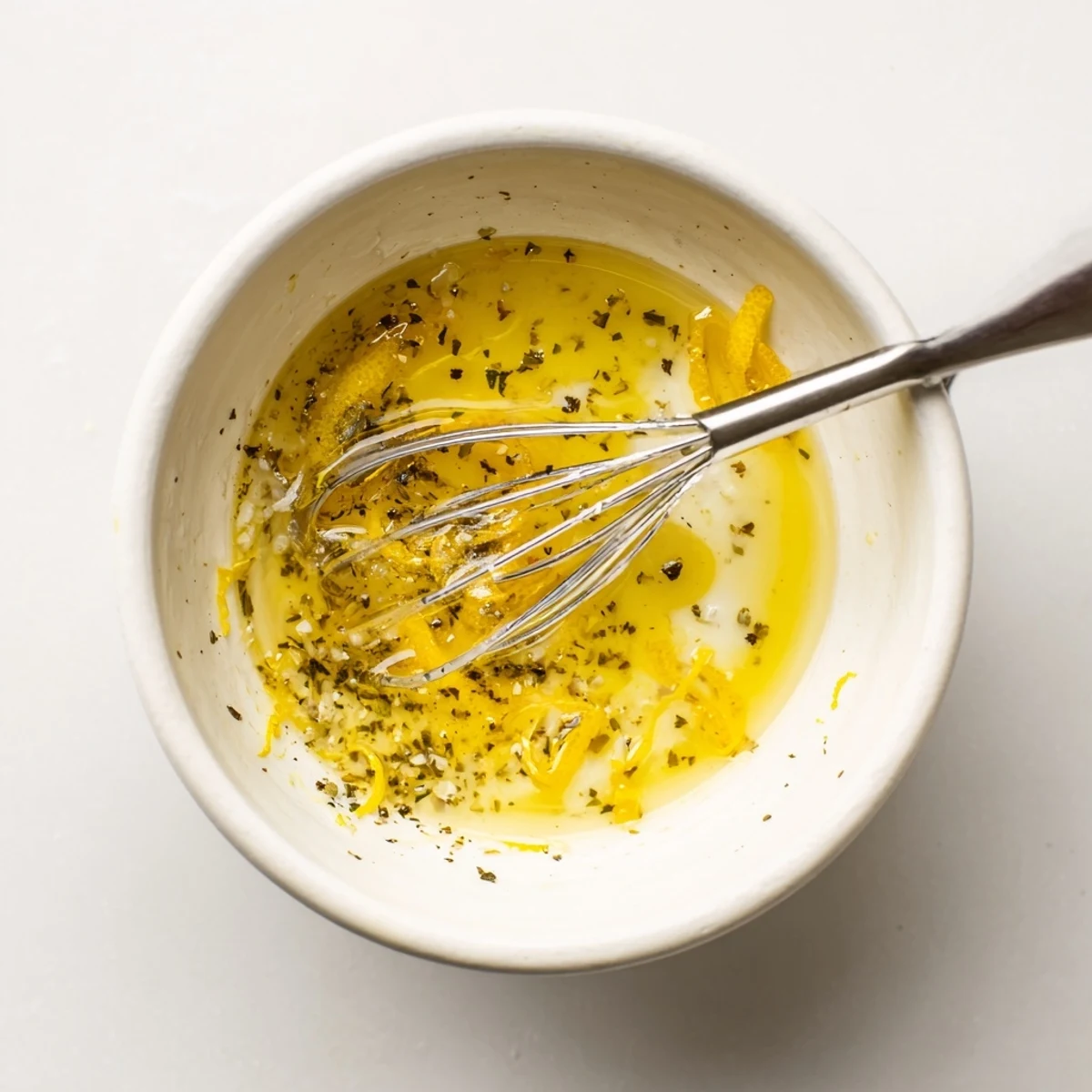
 This bright lemon vinaigrette balances 1 part lemon to 2 parts oil with Dijon and a pinch of salt for a creamy emulsion. Whisk briskly while streaming in olive oil or blitz in a small blender for extra silkiness. Adjust sweetness with honey or maple; add minced garlic or chopped herbs to amplify flavor. Use over greens, grains or as a marinade. Keeps tightly sealed in the fridge up to 3 days—shake before serving.
The screen door slammed shut behind me as I carried a enormous bowl of garden lettuce to the picnic table, realizing halfway across the yard that I had completely forgotten to buy dressing. My neighbor called out something about lemons on her tree and tossed three over the fence in a graceful arc. That small act of generosity turned into the best vinaigrette I have ever whisked together, loosely inspired by Ina Gartens effortless approach to simple food.
I brought a jar of this to a potluck dinner last summer and watched three people ask for the recipe before the main course was even served. There is something about the sharp citrus bite softened by good olive oil that makes people close their eyes and nod with approval.
Ingredients
- Freshly squeezed lemon juice (1/4 cup, about 2 lemons): Roll them firmly on the counter before juicing and you will get nearly double the yield.
- Extra virgin olive oil (1/2 cup): Use the good stuff here since it is the backbone of the entire dressing.
- Dijon mustard (1 teaspoon): This is the secret emulsifier that binds everything into a creamy consistency.
- Kosher salt (1 teaspoon): Dissolves more evenly than table salt and gives you better control over seasoning.
- Freshly ground black pepper (1/2 teaspoon): Pre ground tastes flat, so crack it yourself right into the bowl.
- Honey or maple syrup (1 teaspoon, optional): Rounds out the acidity beautifully if your lemons are particularly sharp.
- Garlic clove, minced (1 small, optional): Rub the inside of your bowl with it first for a gentler, more even flavor.
- Fresh herbs like parsley, basil, or chives (1 tablespoon chopped, optional): Add these at the very end so their color stays bright and vibrant.
Instructions
- Build the flavor base:
- Combine the lemon juice, Dijon mustard, kosher salt, and pepper in a small bowl or glass measuring cup, whisking until the salt begins to dissolve and the mixture looks unified.
- Stream in the oil slowly:
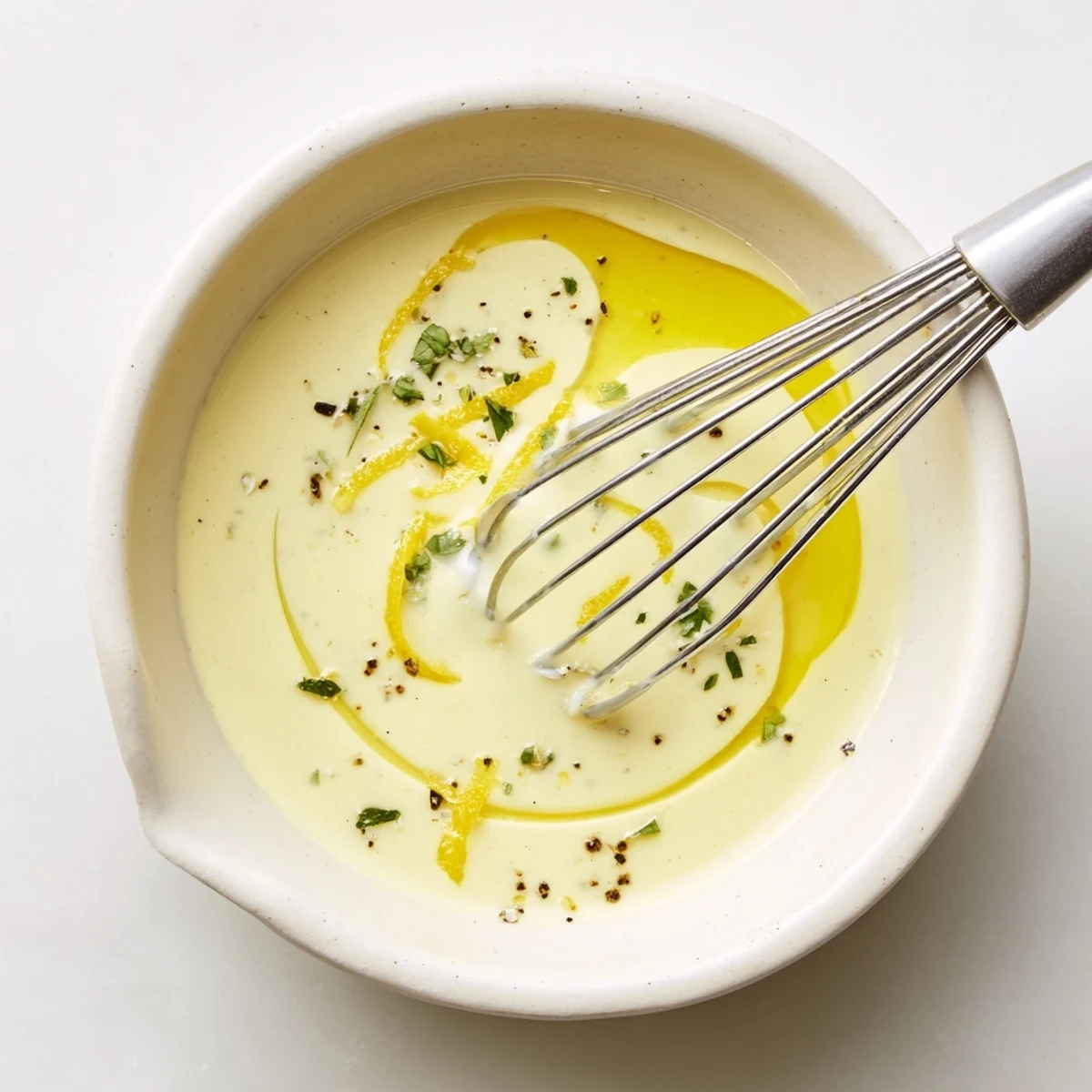
- Pour the olive oil in a very thin stream while whisking vigorously, watching the dressing transform from separated liquid into something thick and pale yellow.
- Add your personal touches:
- If you are using honey, garlic, or fresh herbs, fold them in now with a few gentle strokes so everything is evenly distributed without overmixing.
- Taste and adjust:
- Dip a lettuce leaf into the dressing rather than tasting from a spoon, because the leaf gives you a truer sense of how the seasoning will land on the finished salad.
- Store or serve:
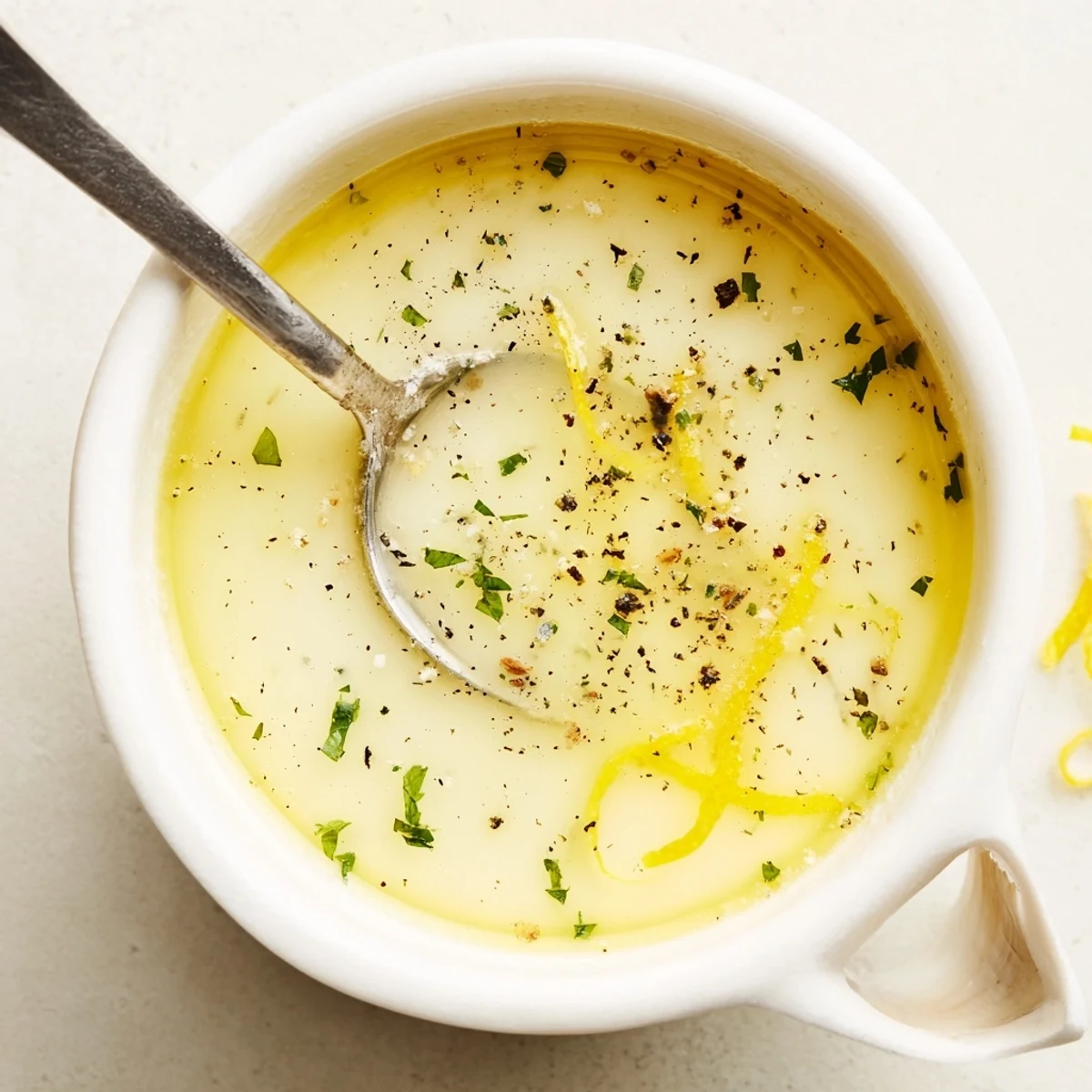
- Use it right away or pour it into a lidded jar and refrigerate for up to three days, shaking vigorously before each use to bring it back together.
 Pin to board
 My friend now keeps a permanently labeled jar of this in her fridge door and told me last week it has become her default house dressing.
When Life Gives You Options
Swapping the olive oil for a neutral oil like grapeseed yields a lighter dressing that lets the lemon shine without competition. A pinch of red pepper flakes or a smear of anchovy paste turns this simple vinaigrette into something deeply savory and complex enough for grilled meats.
A Word About Allergens
The Dijon mustard is the only potential trigger here, so scan the label if you are cooking for someone with sensitivities since some brands process alongside other allergens. Beyond that, this dressing is remarkably inclusive and works for gluten free, dairy free, and nut free tables without any adjustments.
Storage and Leftover Wisdom
The dressing will separate as it chills and that is completely normal, not a sign that anything went wrong. Just shake the jar like a cocktail and it comes back to life instantly.
- Let chilled dressing sit at room temperature for ten minutes before serving so the olive oil loosens up.
- Double the batch if you meal prep because it disappears faster than you expect.
- Never freeze it, as the texture breaks down and cannot be restored.
 Pin to board
 Keep this recipe in your back pocket and you will always be five minutes away from making anything on your plate taste better.
Recipe FAQs
- → How do I get a smooth, stable emulsion?
-
Start with lemon, Dijon, salt and pepper, then whisk while slowly pouring in the oil to create a steady emulsion. Dijon mustard acts as an emulsifier; using a small blender or immersion blender yields an extra-smooth, stable dressing.
- → Can I swap olive oil for another oil?
-
Yes—extra virgin olive oil gives brightness and peppery notes. For a milder flavor, use a neutral oil like grapeseed or avocado oil. Keep the same lemon-to-oil ratio to preserve texture.
- → How can I reduce the tartness?
-
Reduce the lemon slightly or whisk in a teaspoon of honey or maple syrup to mellow acidity. A splash of white wine vinegar can add complexity without increasing sourness.
- → How long does the vinaigrette keep?
-
Stored in a sealed jar in the refrigerator, it keeps up to 3 days. The oil may separate—shake or re-whisk before using. Discard if it develops off odors or discoloration.
- → What are good ways to vary the flavor?
-
Add a minced garlic clove for bite, or stir in finely chopped herbs like parsley, basil, or chives for freshness. A touch of zest intensifies lemon character; a pinch of red pepper flakes adds heat.
- → Are there allergen concerns with the ingredients?
-
Mustard (Dijon) is present, so check labels if mustard sensitivity or severe allergies exist. The vinaigrette is otherwise free from gluten, dairy, nuts, and eggs when using standard ingredients.