
 Pin to board
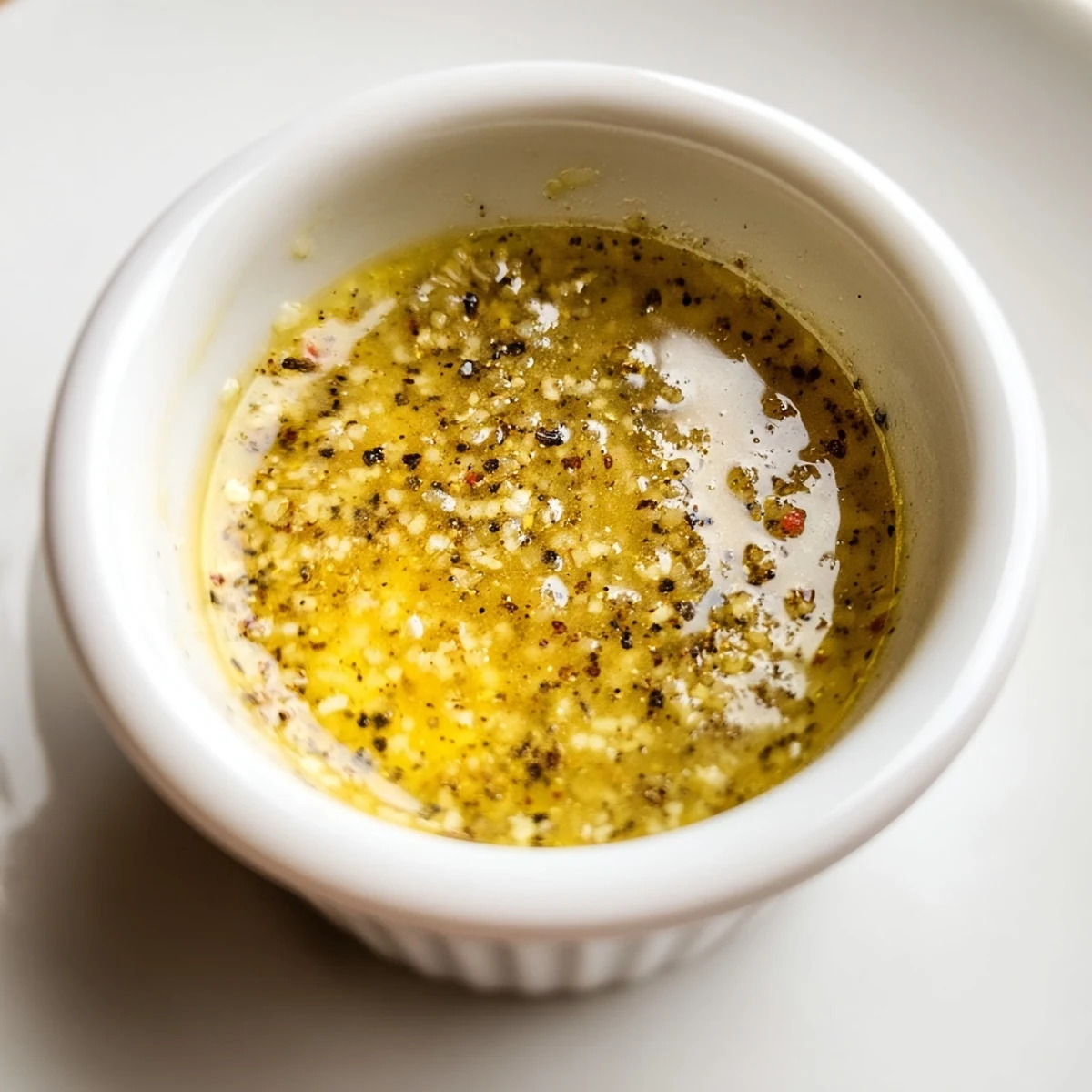
 Combine Dijon mustard, 1 tablespoon white wine vinegar, optional honey and a minced garlic clove with salt and pepper. Whisk together, then slowly drizzle in 3 tablespoons extra-virgin olive oil while whisking to form a stable emulsion. Taste and adjust acidity or sweetness, stir in fresh herbs if desired, and refrigerate in a sealed jar up to one week. Use on mixed greens, roasted vegetables, or as a quick marinade.
The summer my neighbor left a bag of just-picked garden tomatoes on my doorstep, I stood in the kitchen eating them bare, and realized they deserved something better than bottled dressing from the back of the fridge. I grabbed a bowl, a fork, and whatever my pantry offered, and that haphazard little vinaigrette changed how I thought about salad forever. Five minutes is all it takes to make something that tastes like it came from a tiny bistro with checkered tablecloths.
My friend Claire watched me make this at a dinner party and laughed at how intently I whisked, calling it my meditation practice. She stopped laughing after she tasted the salad and quietly asked for the recipe before leaving.
Ingredients
- Extra virgin olive oil: Use the good stuff here since there are so few ingredients and its fruity flavor carries the whole dressing.
- White wine vinegar: Milder than red wine vinegar and balances beautifully, though either works in a pinch.
- Dijon mustard: This is the heart of the vinaigrette and the emulsifier that holds everything together with its creamy, sharp bite.
- Honey or maple syrup: Just a teaspoon rounds out the acidity and makes the flavors feel complete rather than sharp.
- Garlic: One small clove, minced finely, adds a quiet savory depth without taking over.
- Sea salt and black pepper: Season to taste and remember you can always add more but never less.
Instructions
- Build the base:
- In a small bowl, combine the Dijon mustard, vinegar, honey, garlic, salt, and pepper, whisking until the mixture looks smooth and unified.
- Emulsify with oil:
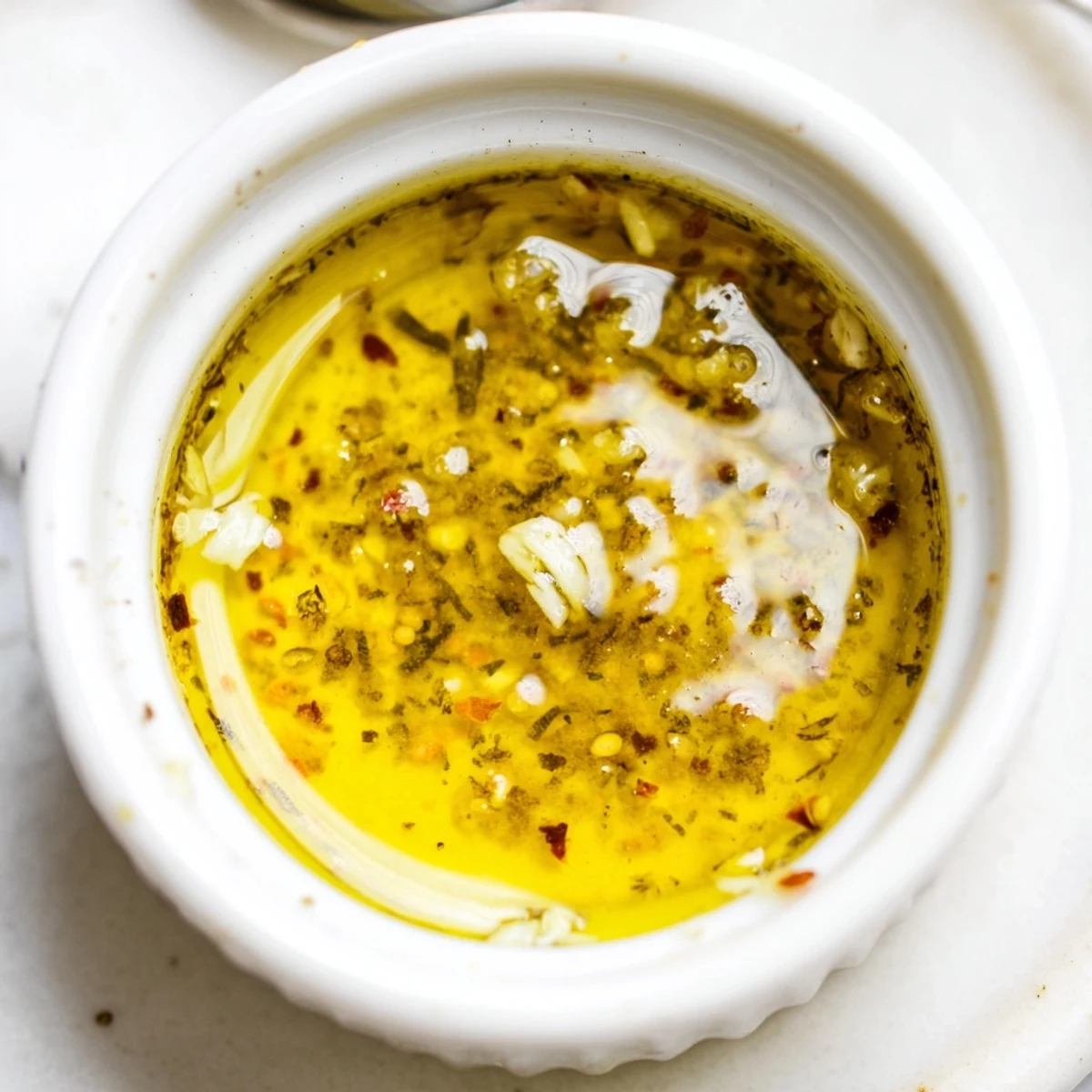
- Slowly drizzle in the olive oil while whisking constantly so the dressing thickens and turns creamy rather than separating.
- Taste and adjust:
- Dip a lettuce leaf in to taste, then tweak the salt, pepper, or vinegar until it sings on your palate.
- Store or serve:
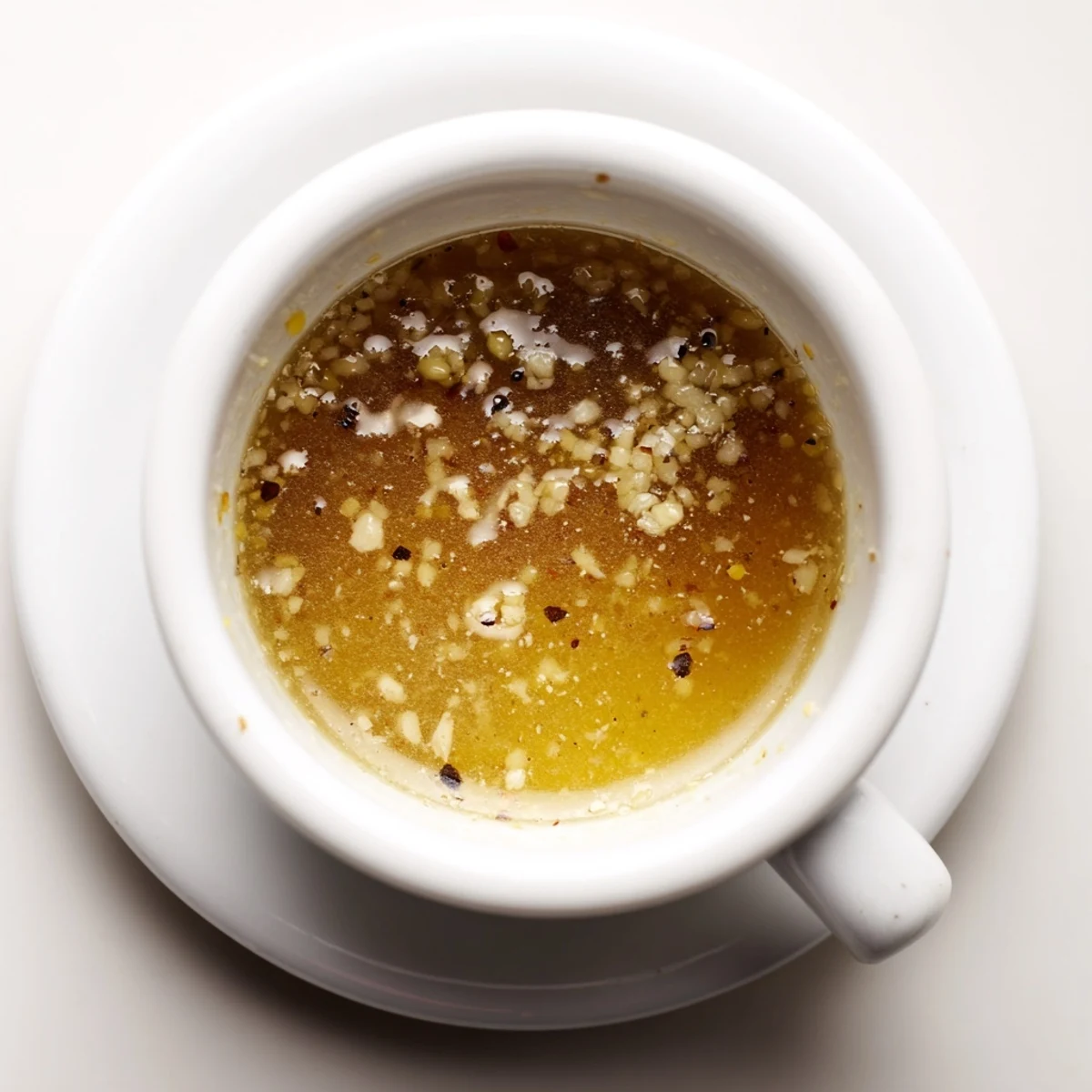
- Use it right away or pour it into a sealed jar and refrigerate for up to one week, shaking well before each use.
 Pin to board
 There is something deeply satisfying about a dressing you made yourself drizzled over a bowl of greens you actually care about.
The Right Oil Makes All the Difference
A grassy, peppery olive oil will give this vinaigrette a bold personality that stands up to sturdy greens and roasted vegetables. If you prefer something gentler, a lighter oil blended with a smaller amount of extra virgin works too. Taste your oil straight before using it because a rancid or flat oil will ruin the entire batch.
Herbs Take It Somewhere New
Chopped fresh parsley, tarragon, or chives stirred in at the end transform this from a everyday dressing into something that feels planned and special. Dried herbs work if you crush them between your fingers first to wake up their oils. Add herbs after emulsifying so their flavor stays bright and their color stays vibrant.
What to Pair It With
This vinaigrette is not just for salads and thinking of it that way limits its potential in your kitchen. It loves grilled vegetables, roasted potatoes, warm grain bowls, and even a quick marinade for chicken thighs before they hit the pan.
- Toss it with warm potatoes while they are still hot so they absorb the flavor fully.
- Drizzle it over sliced tomatoes and let them sit for ten minutes before serving.
- Always bring it to room temperature before using if it has been refrigerated.
 Pin to board
 Keep a jar of this in your fridge and weeknight dinners suddenly feel a little more intentional, a little more French, and a lot more delicious.
Recipe FAQs
- → How do I get a smooth emulsion?
-
Start with the mustard and vinegar, whisking until combined. Slowly stream the olive oil while whisking vigorously so the oil is dispersed into tiny droplets. Mustard acts as an emulsifier; a blender or jar-and-shake method also speeds and stabilizes the emulsion.
- → What oil works best?
-
Extra-virgin olive oil gives a rich, peppery finish. For a milder profile use light olive oil, avocado, or a neutral oil like grapeseed. Avoid overly strong or toasted oils that can overpower the mustard and vinegar.
- → Can I change the acidity or sweetness?
-
Yes. Use 1 tablespoon vinegar to about 3 tablespoons oil as a baseline; increase vinegar for sharper tang (1.5 tbsp). Adjust sweetness with honey or maple syrup by small amounts to balance acidity without masking mustard.
- → How long does it keep?
-
Stored in a sealed jar in the refrigerator, the vinaigrette keeps up to one week. Oil and vinegar may separate—shake or whisk to recombine. Discard if off-odors or discoloration develop.
- → Can I add fresh herbs or garlic?
-
Yes. Finely chopped parsley, tarragon, or chives brighten the dressing. Minced garlic adds bite—use sparingly or allow the vinaigrette to rest briefly so flavors meld. Add herbs just before serving for maximum freshness.
- → What dishes pair well with this dressing?
-
It suits mixed leafy greens, grain bowls, and roasted vegetables, and works as a quick marinade for fish or chicken. A light drizzle also brightens sandwiches and cold vegetable salads.