
 Pin to board
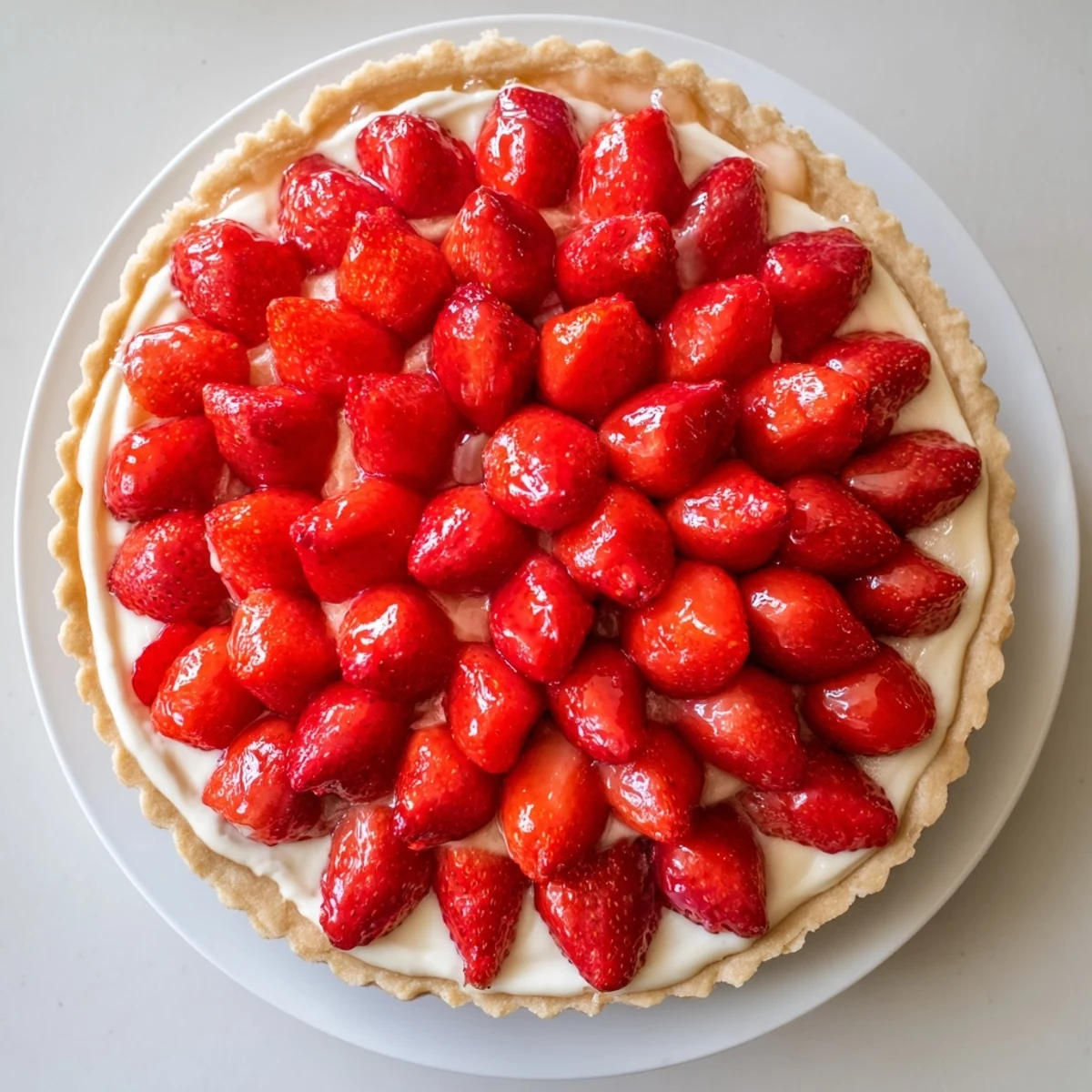
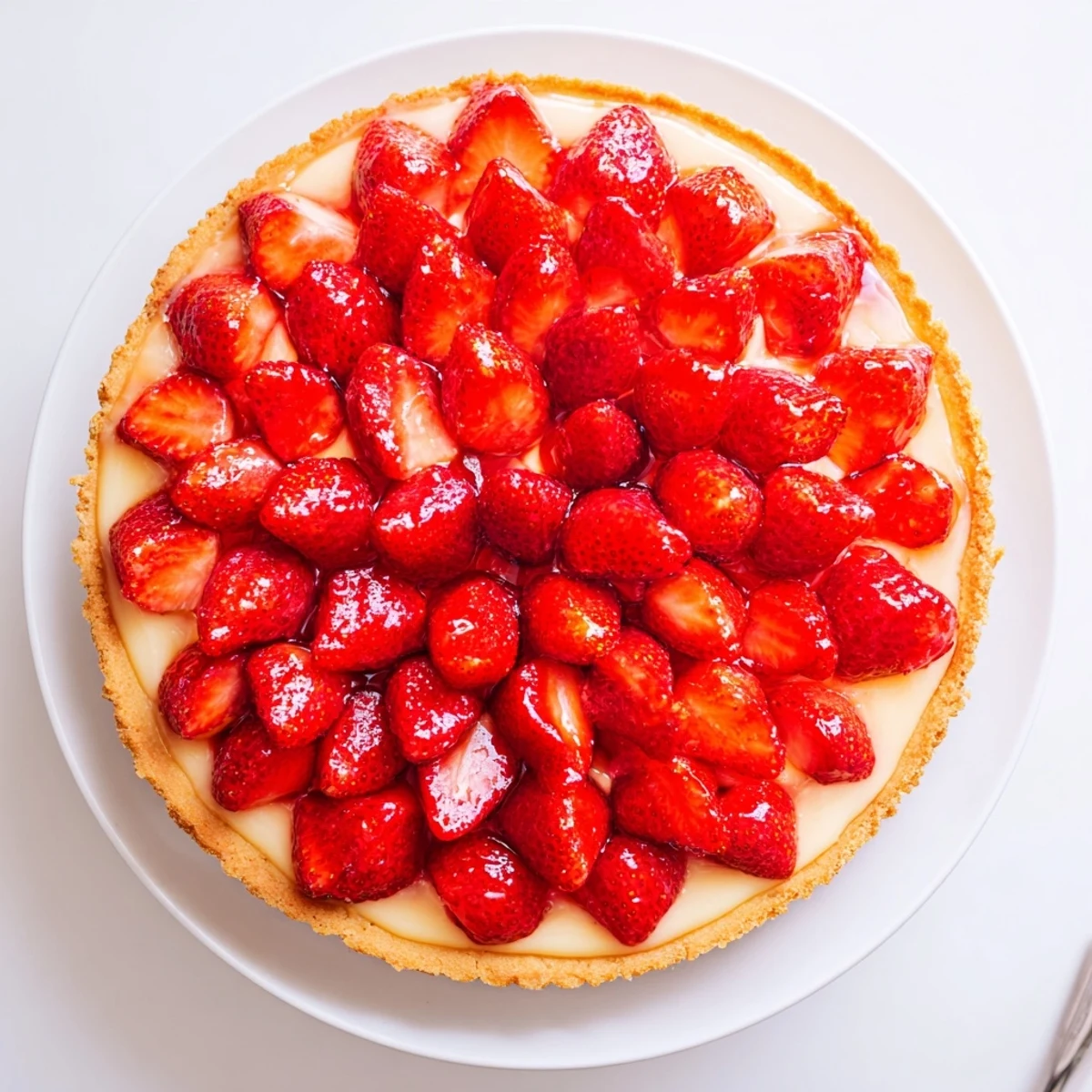
 Cette tarte aux fraises réunit une pâte sablée croustillante, une crème pâtissière vanillée onctueuse et des fraises fraîches nappées d'un glaçage d'abricot. Comptez environ 2 heures incluant refroidissement et service pour 8 parts.
Astuce : laissez la pâte reposer 30 min et cuire à blanc, refroidissez la crème au contact pour un montage propre, disposez les fruits harmonieusement et nappez rapidement pour garder la brillance. Réfrigérez au moins 1 heure avant de servir.
There’s something energizing about hearing the first strawberries of the season roll across the market stall, bright and fragrant, promising summer before it’s truly here. Once, after a particularly rainy week, I brought home a basket so sweet they barely needed sugar at all. As soon as I unpacked them, the idea of a Tarte aux Fraises took over the kitchen, my countertops quickly spotted with flour and the gentle scent of vanilla. Making this classic French tart always pulls me right into the now—no special occasion needed.
I first brought this tart to a park picnic on a sunny afternoon with friends, and it drew a small, quiet crowd before we even laid out the plates. Someone’s laughter fizzed up as I made a hasty patch to a crumbling crust—proof that perfection isn’t required for delight. There’s a gentle pride in watching people angle for the slice with the biggest strawberry.
Ingredients
- All-purpose flour: A reliable flour makes the pâte sablée tender but not fragile; sprinkle extra for rolling to avoid sticking.
- Cold unsalted butter: Keeping it cold and cutting it into cubes lets you get that delicate, melt-in-your-mouth crumb in the tart base.
- Powdered sugar: Sifts smoothly into the dough, giving just enough sweetness and a tender texture to the crust.
- Egg: One egg binds the dough; if it’s particularly large, you might need a touch more flour to keep it manageable.
- Salt: Just a pinch lifts out the buttery richness and balances flavors.
- Whole milk: For crème pâtissière that's luxuriously creamy, use the richest milk you can find.
- Vanilla bean or extract: Real vanilla wakes up the custard—split the bean and scrape out seeds if you want those pretty black flecks.
- Sugar: Sweetens both the custard and the tart itself without overwhelming the fruit.
- Egg yolks: Four yolks make the pastry cream lush, golden, and rich.
- Cornstarch: A bit of cornstarch thickens the custard gently—sift it in for a lump-free cream.
- Butter: Add right at the end for a glossy finish and extra smoothness in the filling.
- Fresh strawberries: Rinse and dry them well before slicing to keep the tart from getting soggy.
- Apricot jam: Melted with water, it’s the secret to that glassy, almost magical shine on top.
- Water: Use just a splash to thin the jam enough to brush without disturbing the berries.
Instructions
- Mix and rest the dough:
- Toss flour, powdered sugar, and salt into a bowl and rub in cold butter with your fingertips until sandy. Stir in the egg just until combined, shape into a ball, wrap, and chill for half an hour.
- Blind-bake the crust:
- Roll out the chilled pastry and ease it into a tart tin, trimming the sides. Prick the base with a fork, cover with parchment and baking weights, and bake at 180°C for 20 minutes before uncovering; bake 10 minutes more until just golden, then cool.
- Whisk the pastry cream:
- Warm the milk and vanilla until steaming. Beat yolks and sugar until pale, add cornstarch, then whisk in a splash of hot milk, pour all back into the pot, and stir gently over medium heat until it thickens—off the heat, swirl in butter, and cool with plastic wrap pressed to the surface.
- Prepare the fruit:
- Wash, hull, and slice strawberries—pat dry for best results.
- Assemble the tart:
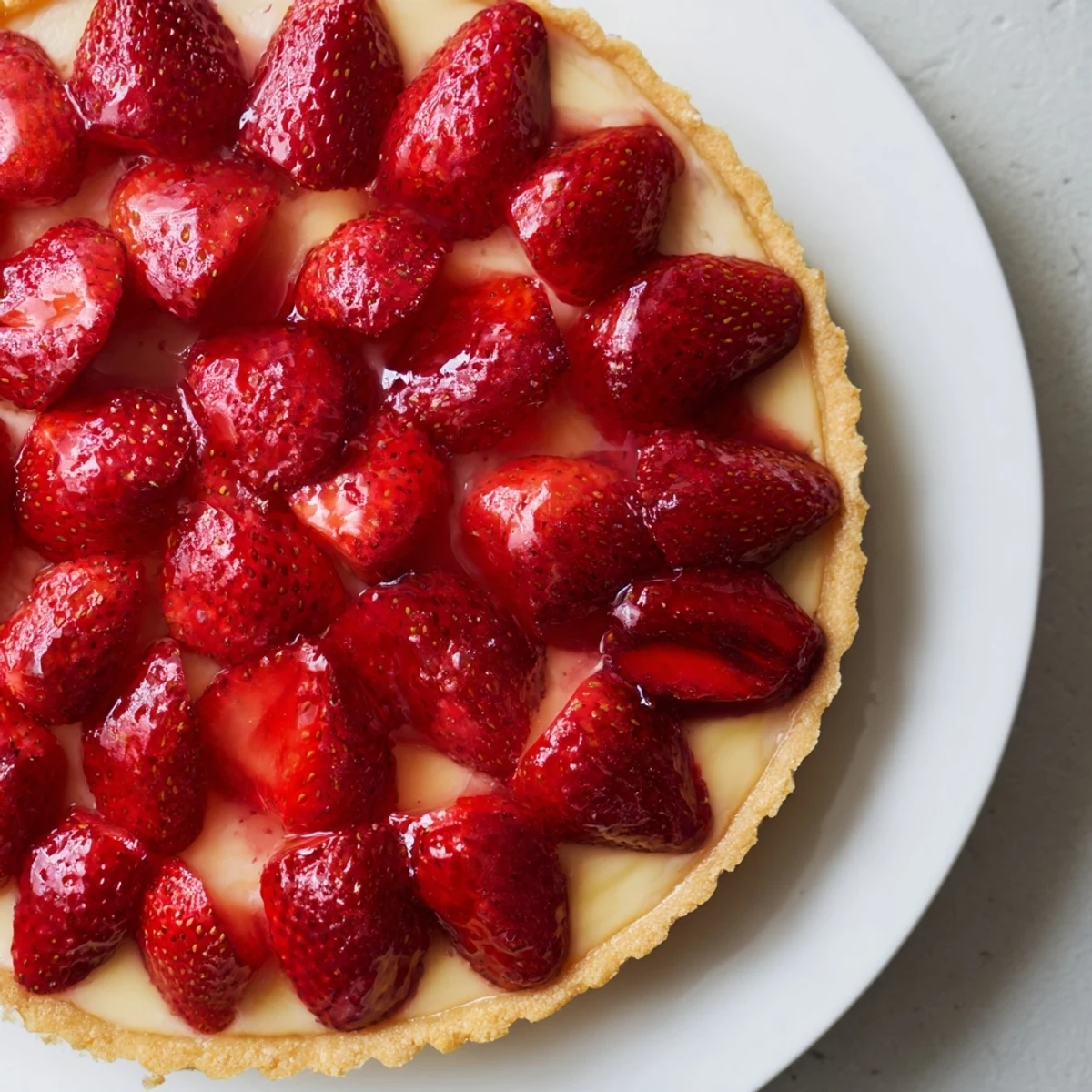
- Spread the cool pastry cream into the crust, smoothing evenly. Arrange the strawberries on top in swirling circles or any pattern that makes you happy.
- Finish with shine:
- Simmer apricot jam with water until smooth, then brush gently over the berries to glaze. Chill for at least an hour to set everything before slicing.
 Pin to board
 One spring evening, my sister popped over unexpectedly, and there was just enough tart left to sit at the counter with mugs of tea, picking at the crispy edge and laughing about childhood kitchen fails. In that pause, it wasn’t just dessert—it was how we caught up, forkful by forkful.
How To Slice and Serve Beautifully
Serrated knives work best for this tart—pressing too hard can make the filling squish out, so slice gently. I’ve learned to wipe the blade between each cut for show-off-worthy pieces.
Making the Most of Strawberry Season
If your strawberries are especially juicy, give them a little time to dry on a towel before adding to the tart. Sometimes I brush a thin layer of melted chocolate on the crust before the cream—just a little insurance if you’re preparing ahead.
Little Tricks For Next Time
Chilling the assembled tart for a full hour makes all the difference in clean cuts and flavors melding just right. If your apricot jam is chunky, strain it first for that perfectly clear glaze. A sprinkle of lemon zest over the finished tart adds a whisper of brightness.
- Let the pastry cool completely before adding the filling.
- Don’t worry if the strawberries aren’t perfect—they’ll taste that way once glazed.
- Store leftovers in the fridge and enjoy within a day for the berries’ best texture.
 Pin to board
 May your tart crack just enough to prove you made it yourself—because the best moments always hide in the crumbs. Here’s to the sweet, simple joy of strawberry season.
Recipe FAQs
- → Comment obtenir une pâte sablée croustillante?
-
Travaillez rapidement le beurre froid avec la farine jusqu'à obtenir un sable grossier, incorporez l'œuf sans trop pétrir, puis laissez reposer 30 minutes au frais. Cuisez à blanc pour préserver le fond croustillant.
- → Comment éviter que la crème pâtissière ne fasse des grumeaux?
-
Tamisez la maïzena et fouettez vigoureusement les jaunes avec le sucre avant d'ajouter le lait chaud progressivement (tempérage). Remuez sans arrêt à feu moyen jusqu'à épaississement puis laissez refroidir au contact pour éviter la peau.
- → Peut-on remplacer le beurre par une autre matière grasse?
-
Le beurre apporte goût et texture; substituts comme la margarine peuvent altérer la saveur et la friabilité. Utilisez un beurre de bonne qualité non salé pour un résultat optimal.
- → Comment conserver la tarte après montage?
-
Conservez la tarte couverte au réfrigérateur jusqu'à 48 heures. Évitez de congeler une fois garnie, la texture des fruits et de la crème en souffrirait.
- → Quelles variantes pour parfumer la crème pâtissière?
-
Ajoutez du zeste de citron ou d'orange pour une note acidulée, ou remplacez la vanille par une gousse de tonka. Évitez d'alourdir la crème pour garder une texture légère sous les fruits.
- → Quels sont les allergènes présents?
-
Présence de gluten (farine), œufs, lait et beurre. Vérifiez également les produits achetés pour traces éventuelles de fruits à coque ou autres allergènes.