
 Pin to board
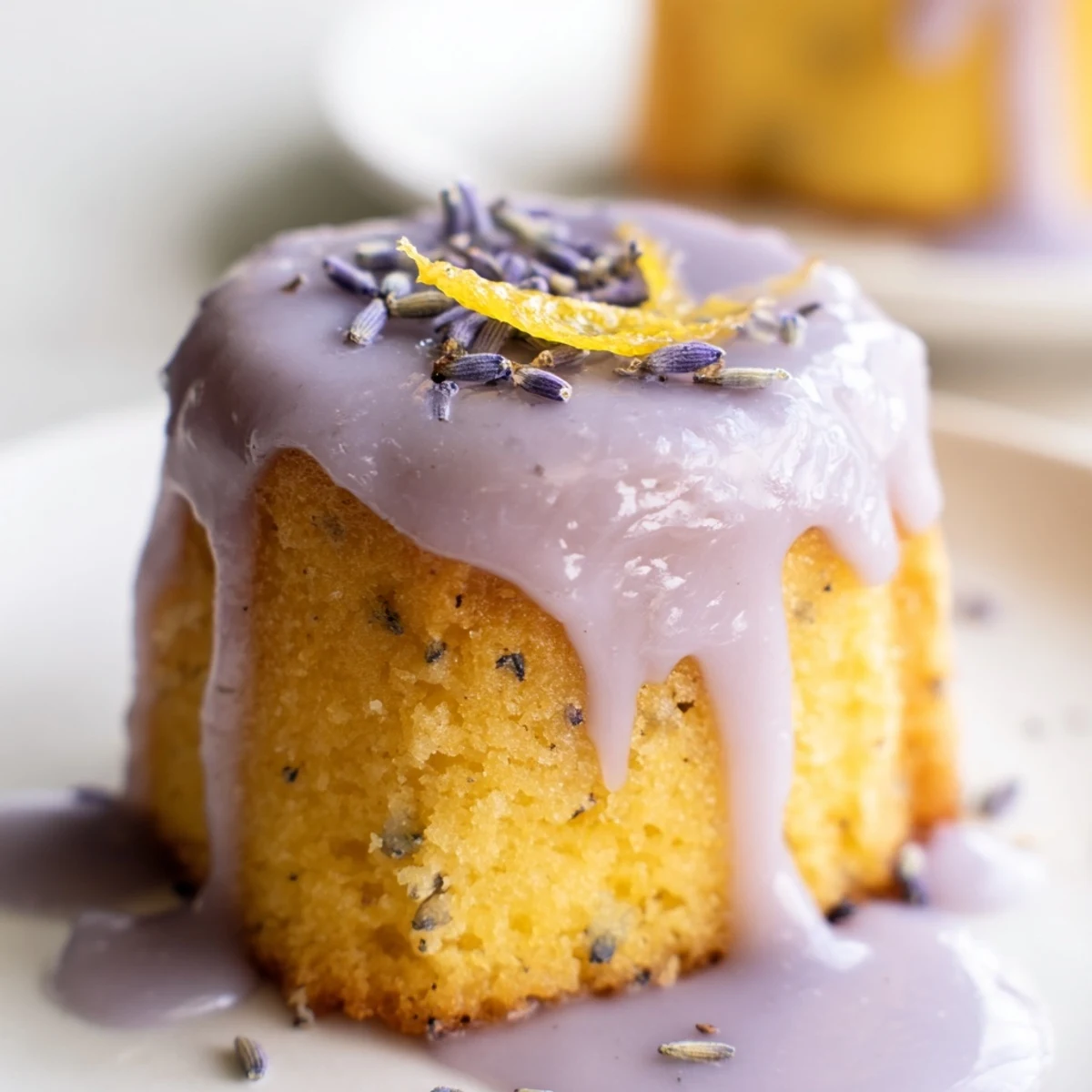
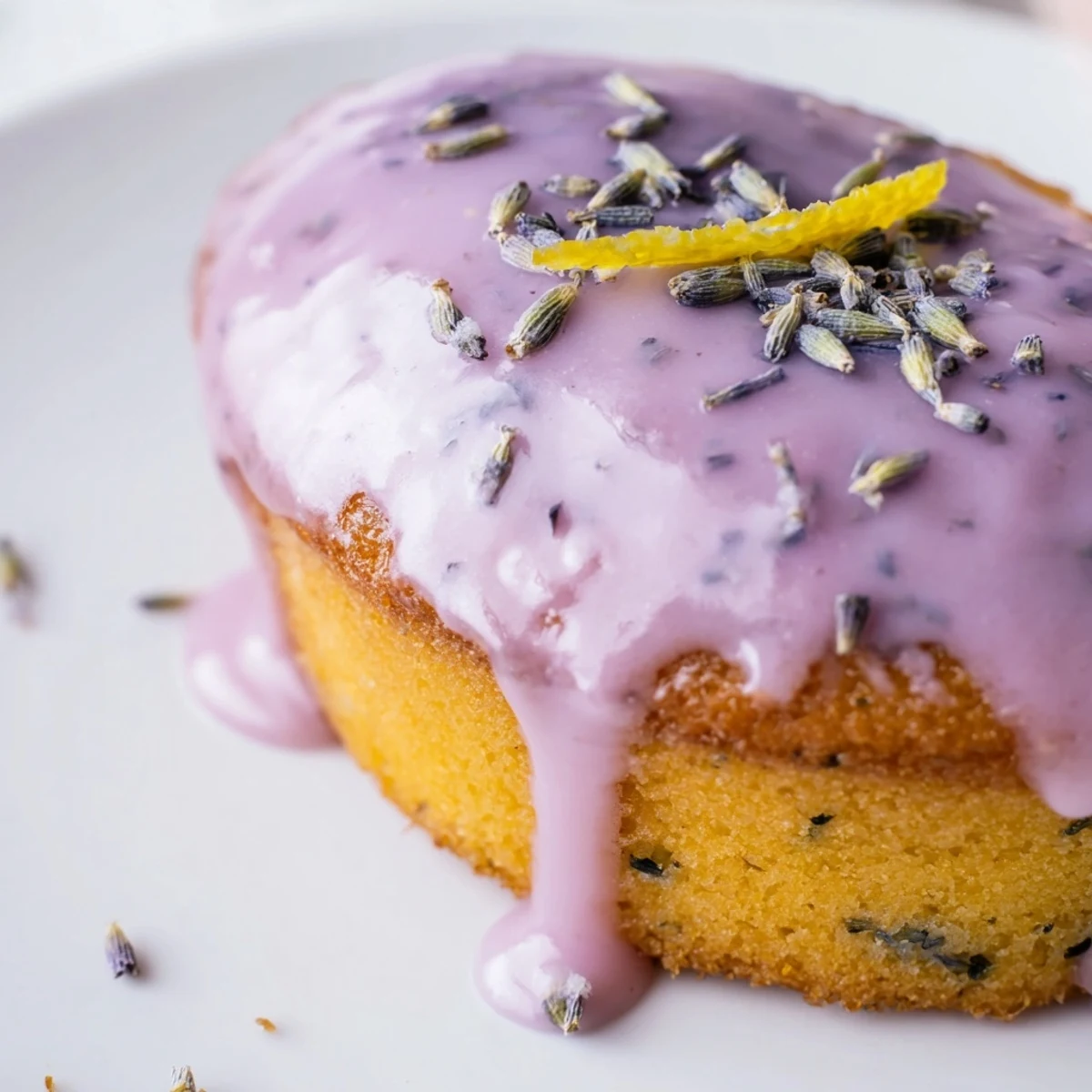
 These delightful mini lemon cakes combine bright citrus flavors with the aromatic essence of lavender. Each bite-sized treat features a tender, moist crumb infused with fresh lemon zest and juice, while the creamy lavender glaze adds a sophisticated floral finish. The balance of tart and sweet makes these petits fours ideal for afternoon tea, bridal showers, or dessert displays. With just 43 minutes from start to finish, you can create bakery-worthy desserts that look as beautiful as they taste.
The afternoon sun was streaming through my kitchen window when I first experimented with adding lavender to lemon glaze. My neighbor had gifted me a bundle of dried lavender from her garden, and I wondered what would happen if I folded those fragrant purple buds into something sweet and citrusy. The moment that floral scent hit the warm lemon cakes, I knew this wasnt just another dessert; it was an experience that made the whole house feel like a French patisserie.
I brought a batch to my book club last spring, and everyone immediately stopped mid-conversation after their first bite. Someone actually asked if I had secretly taken professional pastry classes, which was the best compliment I could have imagined. Now these little cakes are my go-to whenever I want to make people feel celebrated.
Ingredients
- 1 1/2 cups all-purpose flour: The foundation that gives these cakes their tender crumb; measure by weight if you can for the most consistent results.
- 1 tsp baking powder and 1/4 tsp baking soda: This combination ensures the cakes rise beautifully and stay light and airy.
- 1/2 cup unsalted butter, softened: Room temperature butter incorporates perfectly into the batter; cold butter will leave you with tough, dense cakes.
- 1 cup granulated sugar: Sweetens the batter and helps create that delicate golden crust on the outside of each mini cake.
- 2 large eggs, room temperature: Eggs bind everything together; bring them to room temperature so they emulsify properly into the butter mixture.
- 2 tbsp freshly grated lemon zest: This is where all that bright citrus flavor comes from; zest your lemons before juicing them.
- 1/4 cup fresh lemon juice: Adds a wonderful tang that balances the sweetness and cuts through the rich butter.
- 1/2 cup whole milk: Creates moisture and tenderness; whole milk makes a noticeably richer cake than skim.
- 1 tsp pure vanilla extract: A supporting player that enhances all the other flavors without competing with them.
- 1 1/2 cups powdered sugar, sifted: Sifting prevents lumps in your glaze; nothing ruins a beautiful finish faster than chunky powdered sugar.
- 2–3 tbsp milk: Adjust this to get your glaze to the perfect pouring consistency; you want it thick enough to coat but thin enough to drizzle.
- 1 1/2 tsp dried culinary lavender, finely crushed: Use only culinary lavender meant for cooking; the ornamental stuff in your garden might taste soapy or bitter.
- 1 tbsp fresh lemon juice: Thins the glaze while adding another layer of bright citrus flavor.
Instructions
- Get your oven ready:
- Preheat to 350°F and generously grease your mini bundt or muffin pan with butter and flour, paying attention to all those little crevices.
- Whisk the dry ingredients:
- Combine flour, baking powder, baking soda, and salt in a medium bowl; set this aside while you work on the wet ingredients.
- Cream the butter and sugar:
- Beat them together for 2 to 3 minutes until the mixture turns pale and fluffy; this step is crucial for light cakes.
- Add the eggs and flavor:
- Beat in eggs one at a time, then stir in the lemon zest and vanilla until everything is well incorporated.
- Build the batter:
- Mix in the lemon juice, then alternate adding the flour mixture and milk in three parts, starting and ending with the dry ingredients.
- Fill and bake:
- Divide the batter evenly among your prepared molds and bake for 16 to 18 minutes until a toothpick comes out clean.
- Cool completely:
- Let the cakes rest in the pan for 10 minutes before turning them onto a wire rack; the glaze will slide right off warm cakes.
- Make the lavender glaze:
- Whisk together powdered sugar, milk, crushed lavender, and lemon juice until smooth; add more milk if it is too thick.
- Glaze and garnish:
- Spoon the glaze generously over each cooled cake and finish with dried lavender buds and lemon zest strips.
 Pin to board
 My mother-in-law now requests these for every birthday celebration, and seeing her face light up when she sees that purple-flecked glaze is the best reward. These little cakes have become part of our familys story, one bite at a time.
Making The Lavender Shine
Crushing the dried lavender with a mortar and pestle releases those aromatic oils much better than simply stirring it in whole. I learned this trick after a few batches where the lavender flavor was barely there; now I take my time crushing the buds into a fine powder before adding them to the glaze.
Storage And Make-Ahead Tips
The unfrosted cakes keep beautifully in an airtight container for up to two days, which means you can bake them on Friday and still serve fresh-tasting desserts on Saturday. I always wait to glaze them until right before serving because the glaze keeps its glossy sheen best that way.
Serving Suggestions
These mini cakes pair wonderfully with chilled Moscato or a fragrant cup of Earl Grey tea; the floral notes in the beverage complement the lavender beautifully. I have also served them alongside fresh berries and a dollop of lightly sweetened whipped cream for an elegant dessert course.
- Arrange them on a vintage cake stand for maximum visual impact.
- Consider adding a tiny sprig of fresh lavender to each plate for a restaurant-worthy presentation.
- These make lovely hostess gifts wrapped individually in clear bags tied with purple ribbon.
 Pin to board
 There is something magical about cutting into these tiny cakes and seeing that perfect crumb, then catching that first whiff of lemon and lavender. They are proof that the most memorable desserts often come in the smallest packages.
Recipe FAQs
- → Can I make these mini lemon cakes ahead of time?
-
Yes, the unfilled cakes can be baked one day in advance and stored in an airtight container. Apply the lavender glaze shortly before serving for the freshest appearance and texture.
- → What type of lavender should I use?
-
Always use culinary-grade dried lavender buds for baking. Regular lavender from gardens may contain pesticides or have a bitter, soapy taste. Culinary lavender is specifically grown and processed for consumption.
- → How do I prevent the cakes from sticking to the pan?
-
Thoroughly grease your mini bundt or muffin pan with butter, then dust with flour. For extra insurance, you can use baking spray with flour. Let them cool for exactly 10 minutes before turning out—too long and they may stick.
- → Can I use regular-sized bundt pans instead?
-
You can use a standard 6-cup bundt pan, though baking time will increase to approximately 30–35 minutes. The larger version will need to cool longer before glazing, about 20–25 minutes.
- → What can I serve with these lemon cakes?
-
These pair beautifully with chilled Moscato wine, Earl Grey tea, or a light herbal infusion. The citrus notes complement the floral glaze perfectly when served with beverages that aren't overly sweet.
- → How do I intensify the lavender flavor in the glaze?
-
Warm the milk for the glaze with the crushed lavender buds, let steep for 15–20 minutes, then strain before mixing with powdered sugar. This infusion method extracts maximum floral essence without bitter notes.