
 Pin to board
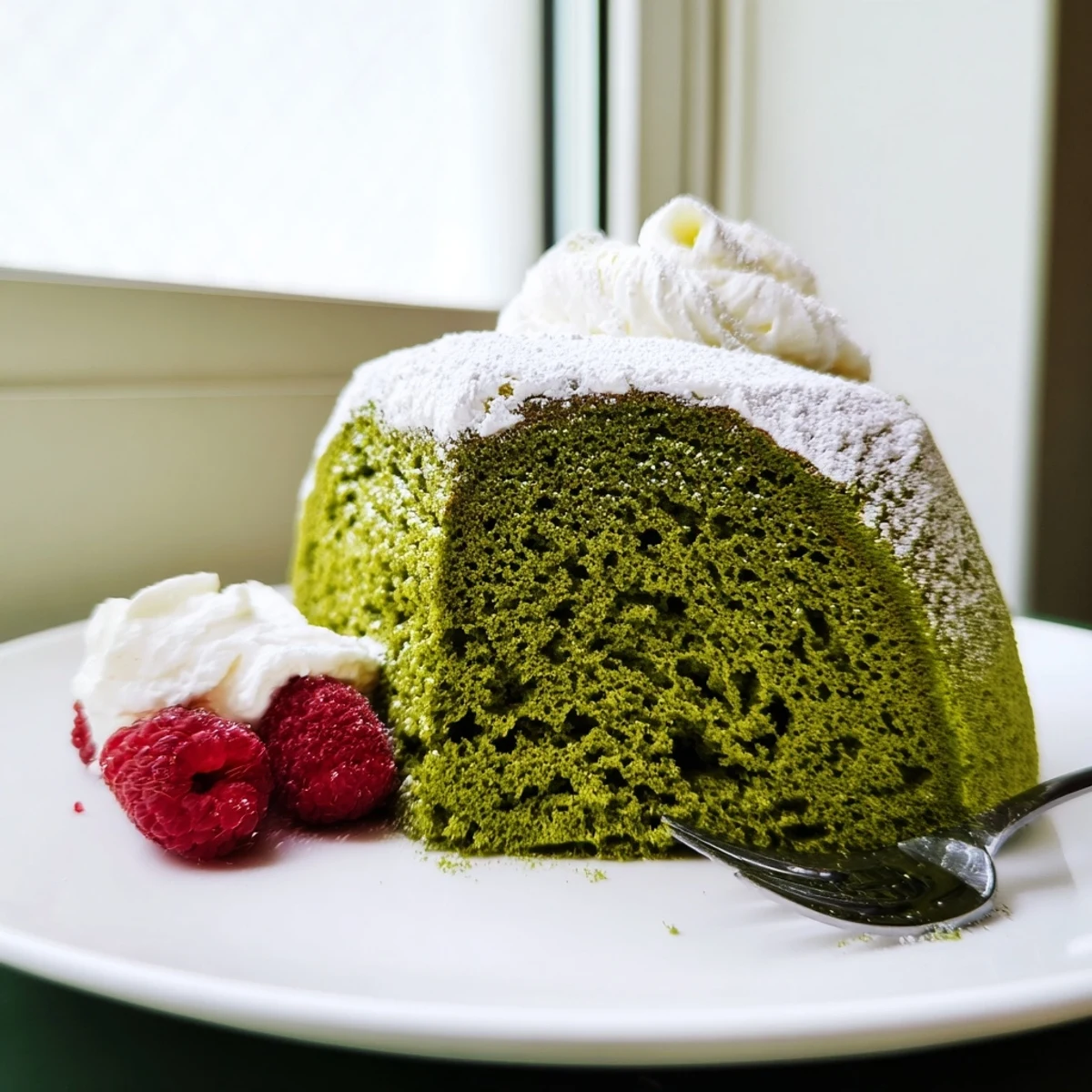
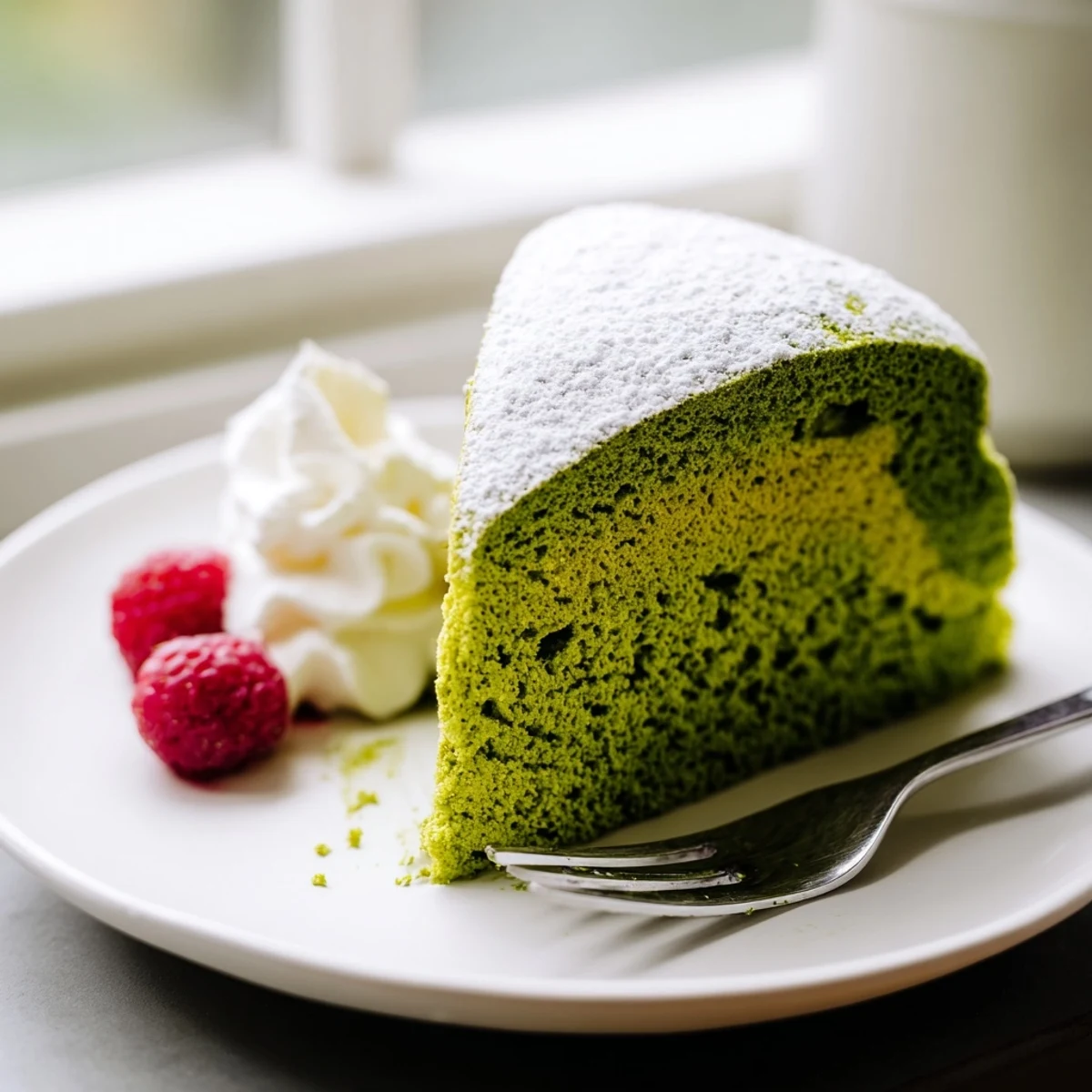
 This Japanese-inspired matcha sponge cake delivers a light, fluffy texture with the earthy, vibrant flavor of premium green tea. Sifted matcha powder blends seamlessly into a classic butter-based batter, creating a beautiful green hue throughout.
The method is straightforward: whisk eggs and sugar until pale, fold in melted butter and vanilla, then alternate dry and wet ingredients. Bake until golden and a toothpick comes out clean. Finish with a dusting of powdered sugar and fresh berries for an elegant presentation perfect for afternoon gatherings.
The smell of matcha toasting slightly as it hits warm batter is something most people never expect, earthy and sweet all at once, like morning fog rolling over a tea field. My neighbor brought me a tin of ceremonial grade matcha from Kyoto last spring and I had no idea what to do with it until a rainy Tuesday pushed me toward the oven. This sponge cake is what came out of that experiment and it has been on repeat ever since. The crumb is impossibly soft and the color turns a soft green that makes everyone lean in closer.
I served this at a potluck where three people asked for the recipe before they finished their first slice and one friend quietly took the last piece home in a napkin. That kind of quiet theft is the highest compliment a cake can receive.
Ingredients
- All purpose flour (1 1/2 cups, 180 g): Sift it to keep the sponge light and tender, a lesson I learned after one dense and rubbery disaster.
- Matcha green tea powder (2 tbsp): Use ceremonial grade if you can find it because culinary grade can taste bitter and flat in baked goods.
- Baking powder (1 tsp): Check the expiration date because dead baking powder will leave you with a sad flat cake.
- Salt (1/4 tsp): Just a pinch wakes up every other flavor and keeps the sweetness honest.
- Granulated sugar (3/4 cup, 150 g): This amount balances the earthiness of matcha without turning the cake into a sugar bomb.
- Whole milk, room temperature (1/2 cup, 120 ml): Cold milk can seize the melted butter so let it sit out for twenty minutes before starting.
- Unsalted butter, melted and slightly cooled (2/3 cup, 150 g): Let it cool enough that you can hold your finger in it comfortably before mixing it into the eggs.
- Large eggs, room temperature (3): Room temperature eggs whip up with more volume which is the whole secret to a fluffy sponge.
- Vanilla extract (1 tsp): A quiet background note that rounds out the green tea flavor beautifully.
- Powdered sugar, whipped cream, or fresh berries for decoration: Entirely optional but a handful of raspberries turns a simple cake into something festive.
Instructions
- Preheat and prep:
- Heat your oven to 350 degrees F and grease an 8 inch round pan before lining the bottom with parchment paper so the cake releases cleanly.
- Sift the dry ingredients:
- Send the flour, matcha, baking powder, and salt through a sifter or fine mesh strainer into a medium bowl and watch the matcha bloom into a vivid green cloud.
- Whisk eggs and sugar:
- In a large bowl beat the eggs and sugar together until the mixture turns pale yellow and falls in thick ribbons from your whisk, about two to three minutes.
- Add butter and vanilla:
- Pour in the melted butter and vanilla then stir gently until everything is emulsified and silky looking.
- Combine wet and dry:
- Alternate adding the dry mixture and the milk in three additions starting and ending with the flour, folding gently with a spatula until just combined and never overmixing.
- Pour and smooth:
- Transfer the batter to your prepared pan and use the back of a spoon to smooth the top so it bakes evenly.
- Bake until set:
- Bake for thirty to thirty five minutes until the edges pull away slightly from the pan and a toothpick poked into the center comes out clean.
- Cool properly:
- Let the cake rest in the pan for ten minutes then turn it out onto a wire rack to cool completely before you even think about slicing it.
- Finish and serve:
- Dust generously with powdered sugar and add a dollop of whipped cream or a scatter of fresh berries if you want to make it look as good as it tastes.
 Pin to board
 The afternoon I pulled this cake from the oven while my daughter read quietly in the next room, the whole kitchen smelled like a tea shop and she wandered in asking what smelled so warm and good. That is the thing about baking with matcha, it turns an ordinary afternoon into something worth remembering.
Choosing the Right Matcha
Not all green powder is created equal and this took me an embarrassing number of mediocre cakes to fully understand. Ceremonial grade matcha is stone ground from young leaves and carries a natural sweetness that survives baking beautifully. Culinary grade is cheaper but often tastes flat or bitter once exposed to oven heat, so save it for smoothies. If your matcha looks dull olive instead of bright vibrant green, it has probably been sitting too long and will disappoint you in this recipe.
Troubleshooting Common Problems
A dense heavy crumb almost always means the eggs were not whipped enough or the batter was overmixed after the flour went in. A sunken center usually means the oven door was opened too early or the cake was underbaked by a few critical minutes. If the matcha flavor tastes weak try adding one extra tablespoon next time but do not go beyond three or the bitterness takes over.
Serving and Storing
This cake keeps beautifully at room temperature under a dome for up to three days and actually tastes better on day two when the flavors have had time to settle.
- Wrap leftover slices tightly in plastic wrap to keep the crumb from drying out.
- Freeze individual portions for up to one month and thaw at room temperature for an hour.
- Pairs wonderfully with a cup of sencha or even a glass of cold sparkling wine if you are feeling adventurous.
 Pin to board
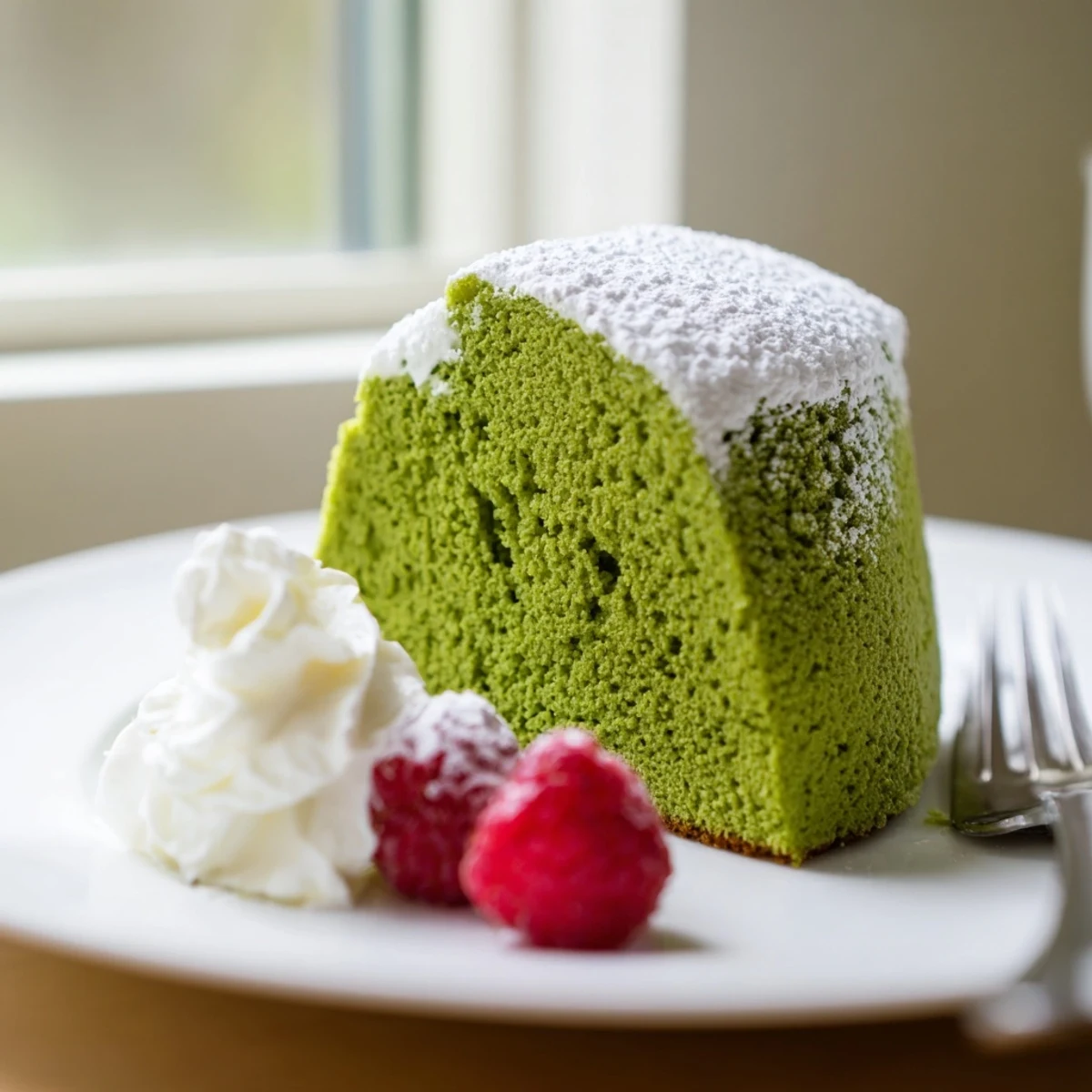
 This matcha sponge is proof that a simple cake can carry deep flavor and quiet elegance without fuss or complication. Bake it once and it will become part of your rotation before you know it.
Recipe FAQs
- → Can I use culinary grade matcha powder for this cake?
-
Yes, culinary grade matcha works perfectly for baking. It provides robust flavor and vibrant color that holds up during the baking process. Premium ceremonial grade is not necessary and would be more costly without a noticeable difference in the finished cake.
- → Why did my matcha cake turn out dense instead of fluffy?
-
Dense texture usually results from overmixing the batter after adding flour. Mix just until ingredients are combined. Also ensure your eggs are at room temperature and whisked until pale and fluffy before adding other ingredients. Proper sifting of dry ingredients also helps incorporate air.
- → How should I store leftover matcha sponge cake?
-
Store the cooled cake in an airtight container at room temperature for up to two days. For longer storage, refrigerate for up to five days. Bring to room temperature before serving for the best texture and flavor.
- → Can I make this cake ahead of time for a gathering?
-
Absolutely. Bake the cake a day in advance and store it wrapped tightly at room temperature. Add powdered sugar dusting and any toppings like whipped cream or berries just before serving to keep everything fresh and visually appealing.
- → What can I substitute for all-purpose flour in this matcha cake?
-
You can replace half the all-purpose flour with almond flour for a nuttier flavor profile. For a gluten-free version, use a 1-to-1 gluten-free baking blend. Avoid substituting all the flour with almond flour as the texture and structure will change significantly.
- → How strong is the matcha flavor in this cake?
-
Using two tablespoons of matcha powder gives a pleasant, balanced green tea flavor that is noticeable without being overpowering. For a more intense matcha taste, you can add up to one additional tablespoon of matcha powder to the dry ingredients.