
 Pin to board
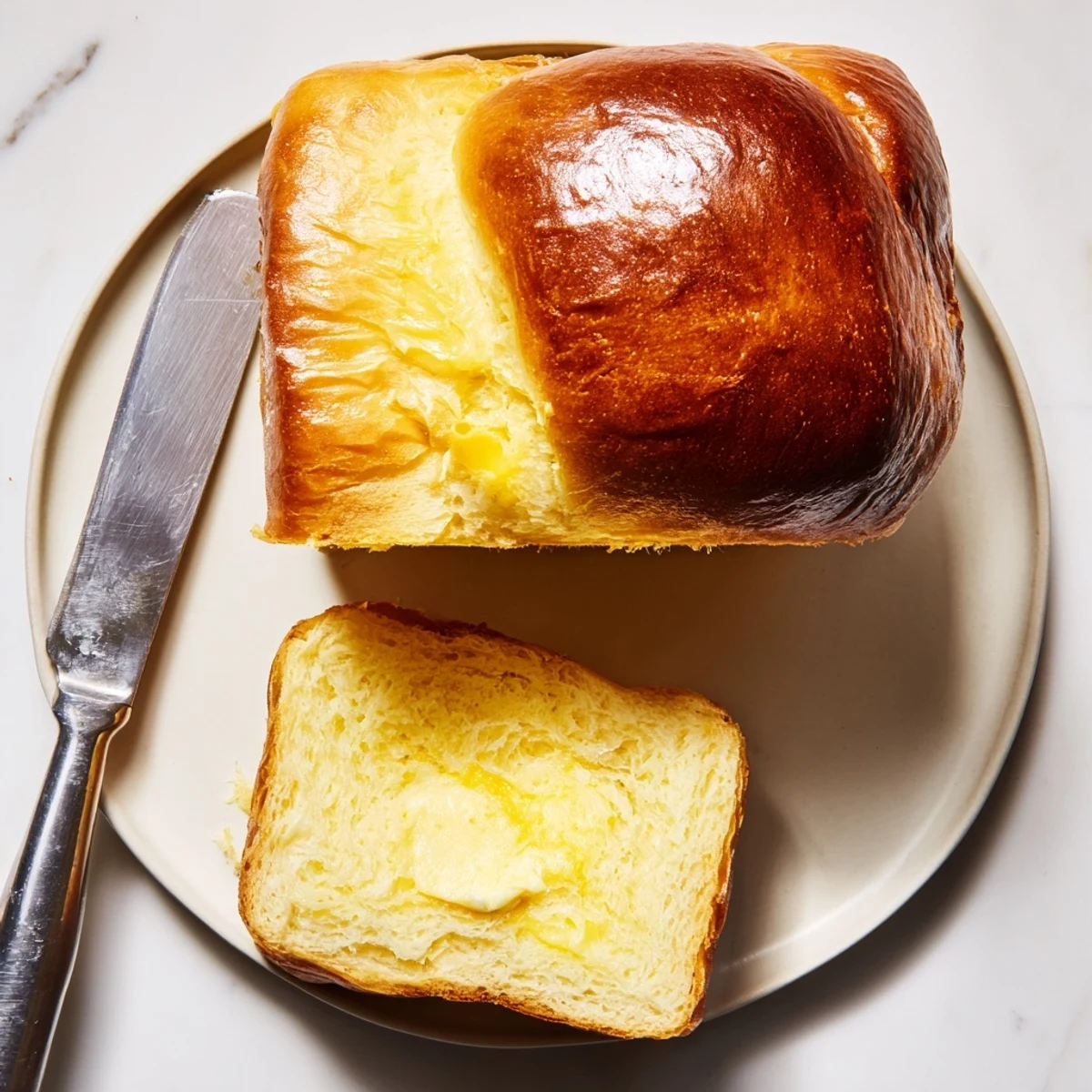
 This indulgent brioche combines bread flour, warm milk, eggs, and generous butter to create an exceptionally tender loaf. The dough requires two rising periods for optimal texture, developing that signature airy crumb and golden crust. Perfect alongside morning coffee or transformed into luxurious French toast.
The smell of brioche dough proofing on a cold Saturday morning is enough to make anyone cancel their plans and stay home. I learned this recipe from a weathered French bakery cookbook I found at a yard sale, pages stuck together with what I can only assume was years of butter splatter. Milk brioche sits somewhere between bread and pastry, and once you pull a golden loaf from your own oven, store bought bread starts to feel like a compromise.
My neighbor walked in unannounced one Sunday while I was kneading this dough, flour dusted across my forehead like some kind of kitchen ash Wednesday. She sat at the counter, drank my coffee, and talked through her divorce while I added butter cube by cube. By the time the loaf came out of the oven, we had both laughed until we cried, and the bread was just warm enough to melt the salted butter we tore through without plates.
Ingredients
- 500 g bread flour: Bread flour gives the structure this enriched dough needs to hold all that butter and egg without collapsing into a dense brick.
- 60 g granulated sugar: Just enough sweetness to soften the crumb and help with browning, this is not a dessert level amount.
- 10 g fine sea salt: Salt strengthens the gluten network and balances the sugar, never skip it even in sweet doughs.
- 10 g instant dry yeast: Instant yeast skips the blooming step and goes straight into the flour, saving you a bowl and ten minutes.
- 3 large eggs: Eggs enrich the dough with fat and protein, creating that signature tender crumb and golden interior.
- 150 ml whole milk, warm: Whole milk adds richness and softness, warm it to about body temperature so it does not kill the yeast.
- 120 g unsalted butter, softened and cubed: The butter must be room temperature and added gradually, cold butter will tear the dough apart instead of incorporating smoothly.
- 1 egg plus 1 tbsp milk for egg wash: This combination creates the deep golden crust that makes brioche look like it came from a professional bakery.
Instructions
- Build the dry foundation:
- Pile the flour, sugar, salt, and yeast into your mixer bowl and give it a quick toss with your fingers so everything is evenly distributed before the wet ingredients join the party.
- Bring the dough together:
- Pour in the eggs and warm milk, then mix on low until you see a shaggy mass forming, scraping down the sides once so nothing hides in dry patches.
- Add butter patiently:
- Drop in the butter a few cubes at a time, waiting until each batch disappears before adding more, then knead for 10 to 15 minutes until the dough turns silky, stretches without tearing, and only slightly sticks to your fingers.
- Let it rise:
- Cover the bowl tightly with plastic wrap or a damp towel and tuck it somewhere warm and draft free, leaving it alone until it has doubled, which usually takes about an hour and a half to two hours.
- Shape your loaf:
- Punch the dough down gently, turn it onto a lightly floured counter, and shape it into a loaf, braid, or rolls, then nestle it into a greased loaf pan or onto parchment paper.
- The second rise:
- Cover the shaped dough and let it puff up again for about 45 to 60 minutes until it looks swollen and soft, rising just above the rim of the pan.
- Bake to gold:
- Preheat your oven to 180 degrees Celsius or 350 degrees Fahrenheit, whisk the egg and milk together, brush it generously over the top, and bake for 25 to 30 minutes until the crust is deeply golden and the loaf sounds hollow when you tap its bottom.
- Cool before slicing:
- Let the bread sit in the pan for 10 minutes so the crumb can set, then move it to a wire rack and try your hardest to wait until it is completely cool before cutting in.
 Pin to board
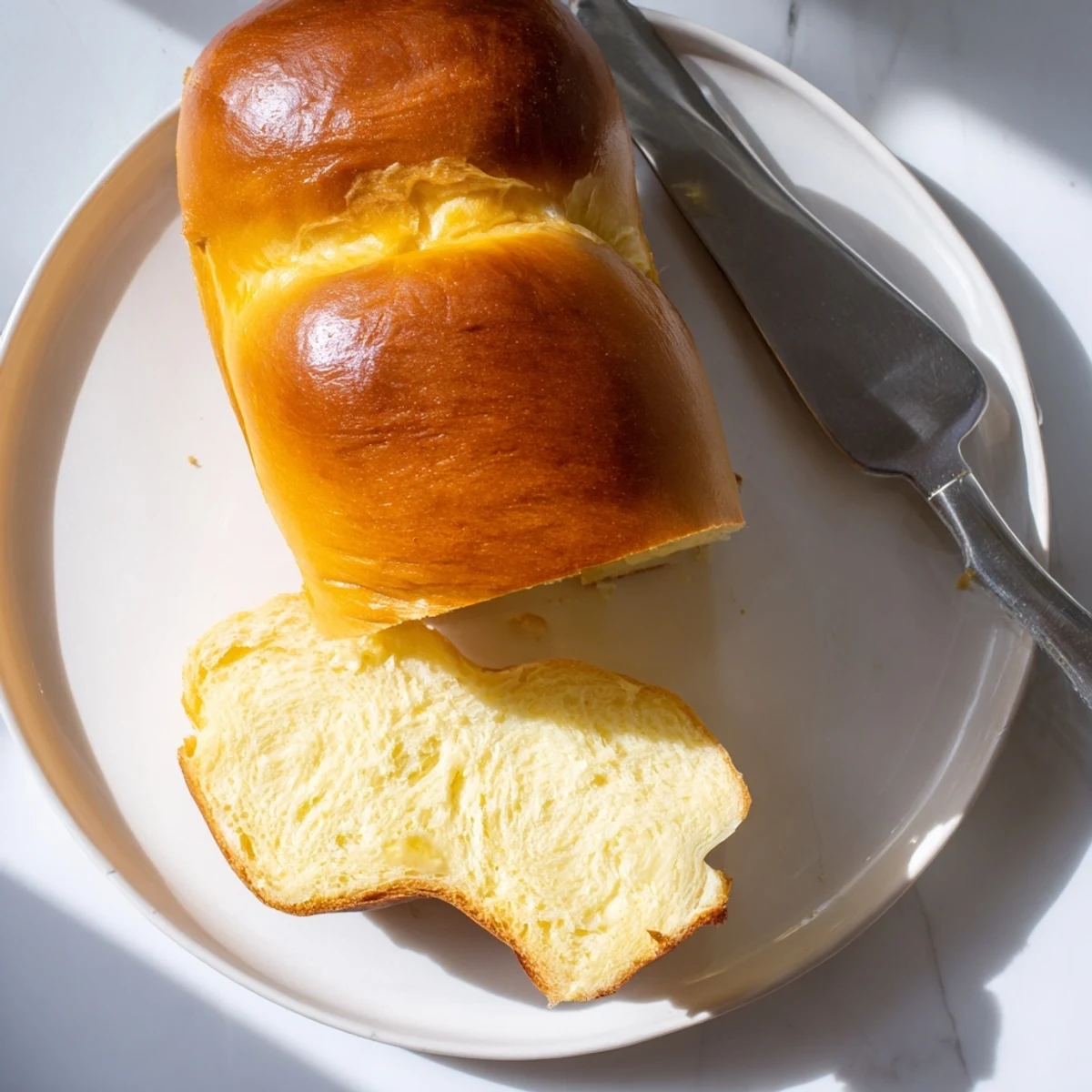
 A warm slice of this brioche with nothing more than a smear of good butter is the kind of simple pleasure that makes you understand why French baking has survived for centuries.
Making It Your Own
Once you are comfortable with the base dough, fold in a handful of dark chocolate chips or soaked raisins during the shaping step and the bread transforms into something closer to a morning pastry. You can also swap half the bread flour for whole wheat, which gives the loaf a nuttier flavor and a slightly denser crumb that actually holds up beautifully under jam.
Storage That Actually Works
Keep leftover brioche in a sealed bag at room temperature for up to three days, though it rarely lasts that long in my kitchen. Day old slices make extraordinary French toast because the egg enriched bread soaks up the custard without falling apart.
Tools and Prep Worth Knowing About
A stand mixer saves your arms during the long knead, but I have made this by hand on days when I needed the workout and the bread turned out just fine. A loaf pan gives you those beautiful straight sides for sandwiches, while a freeform shape on a baking sheet looks more rustic and bakes a bit faster.
- A silicone pastry brush spreads egg wash more evenly than bristle brushes and cleans up in seconds.
- Parchment paper under the loaf prevents sticking and lets you lift the whole thing out cleanly.
- Always check your yeast expiration date, dead yeast means flat bread and a wasted afternoon.
 Pin to board
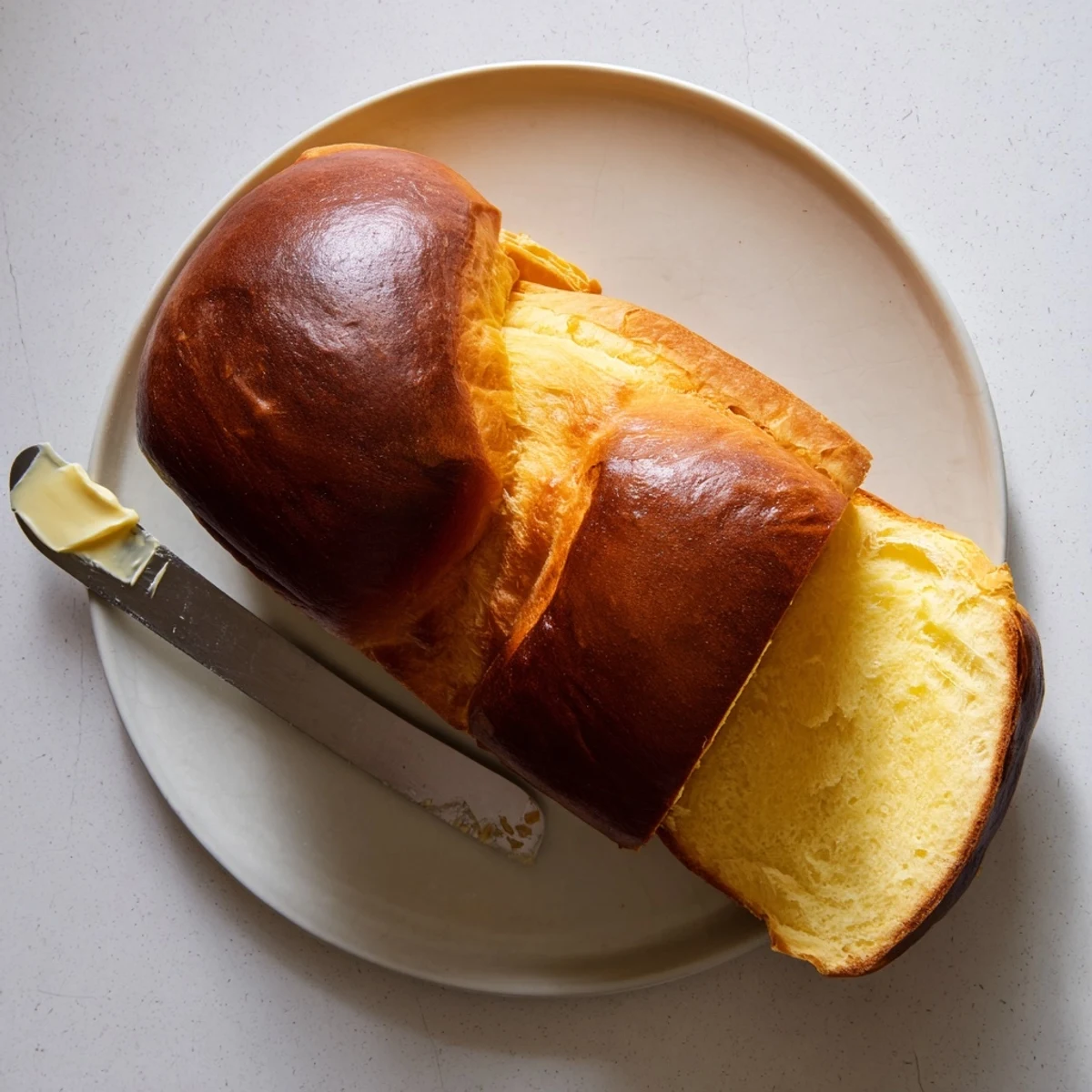
 This is the kind of recipe that turns a regular weekend morning into something worth remembering, one buttery slice at a time.
Recipe FAQs
- → What makes brioche different from regular bread?
-
Brioche contains substantial amounts of eggs and butter, creating a richer, tender crumb and golden color. The high fat content yields a soft, pillowy texture unlike lean breads.
- → Why is my dough sticky even after kneading?
-
Brioche dough naturally remains slightly tacky due to butter content. Avoid adding excessive flour—the tackiness indicates proper hydration. The dough will become more manageable during the first rise.
- → Can I make this without a stand mixer?
-
Yes. Knead by hand on a lightly floured surface for 15–20 minutes. The butter incorporation takes longer manually—patience ensures proper emulsification for that signature texture.
- → How should I store leftover brioche?
-
Wrap tightly in plastic or store in an airtight bag at room temperature for up to 3 days. For longer storage, slice and freeze for up to 3 months. Reheat gently in the oven to refresh.
- → What can I serve with milk brioche?
-
Enjoy plain with salted butter and fruit preserves. Use for sandwiches, bread pudding, or classic French toast. The mild sweetness complements both savory and sweet toppings beautifully.