
 Pin to board
 This vibrant citrus dessert combines the tropical creaminess of coconut milk with the nutritional powerhouse of chia seeds. Fresh key lime juice and zest bring that signature tangy brightness, while pure maple syrup adds gentle sweetness. The magic happens during refrigeration, where tiny chia seeds transform the liquid into a luscious, spoonable pudding reminiscent of key lime pie's filling. Each serving delivers plant-based protein, healthy omega-3 fats, and refreshing citrus notes that work beautifully for breakfast, snack time, or dessert.
The smell of key limes always sends me straight back to a sticky afternoon in a tiny Florida kitchen, where a friend handed me a mason jar full of something green and gelatinous and dared me to try it. One skeptical spoonful later, I was converted on the spot. This chia pudding captures that same electric citrus punch without turning on the oven, and it has been rotating through my fridge ever since.
I started making this for hot summer evenings when turning on the stove felt like a personal attack, and my partner now expects a jar of it in the fridge at all times. Once I brought four jars to a backyard potluck and they disappeared before the grill was even lit.
Ingredients
- Unsweetened coconut milk (2 cups): Full fat coconut milk gives the richest texture but any plant based milk works in a pinch.
- Chia seeds (1/3 cup): These little powerhouses soak up liquid and transform everything into a silky pudding.
- Pure maple syrup (1/4 cup): Agave nectar works too but maple syrup adds a warm roundness that balances the sharp lime.
- Key lime zest (zest of 2 key limes): Most of the citrus perfume lives in the oils of the zest so do not skip this step.
- Fresh key lime juice (1/4 cup): Regular lime juice is fine but key limes have a floral sweetness that is worth seeking out.
- Vanilla extract (1/2 teaspoon): Just a splash rounds out the tang and ties the flavors together.
- Salt (pinch): A tiny amount makes the lime taste brighter and more vivid.
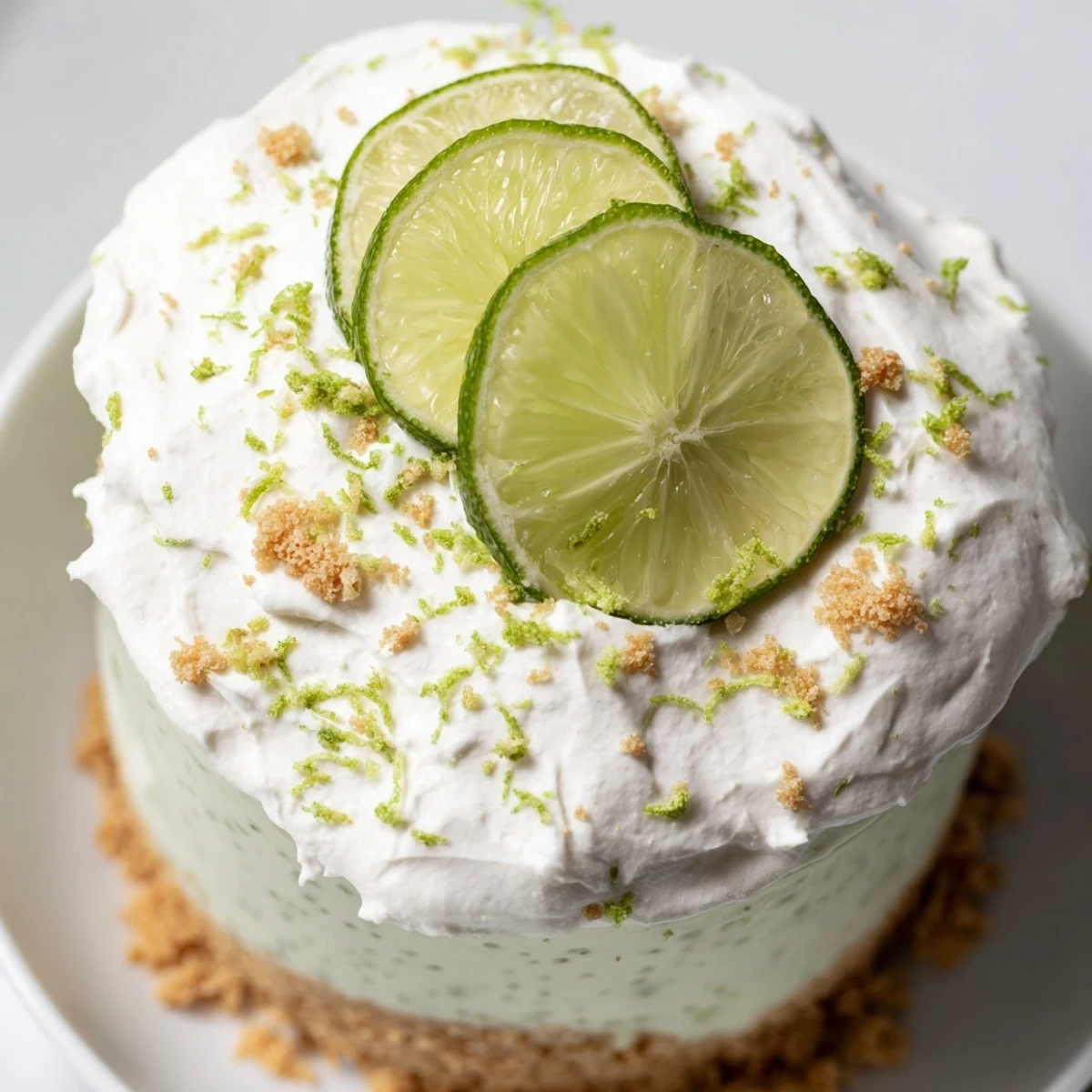
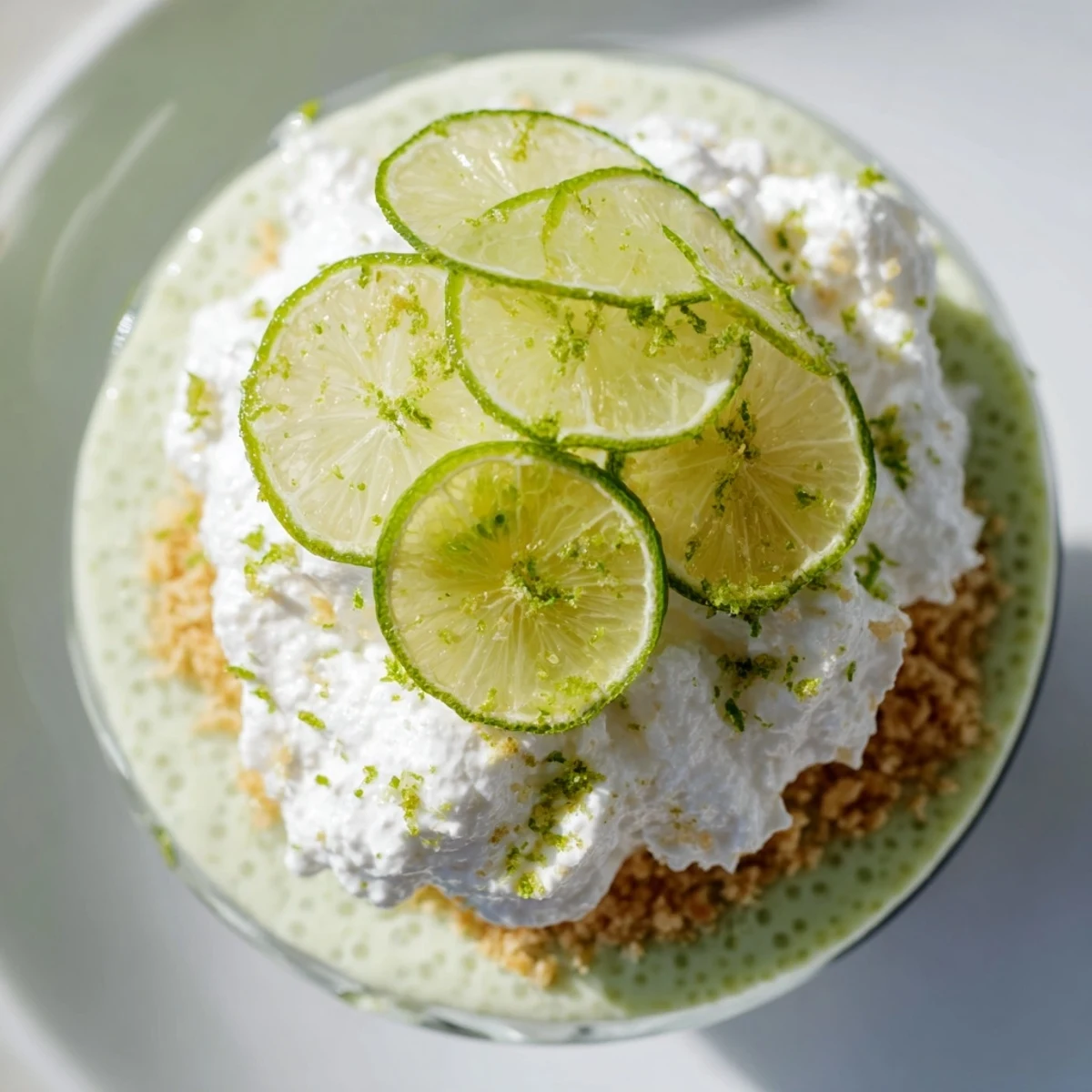
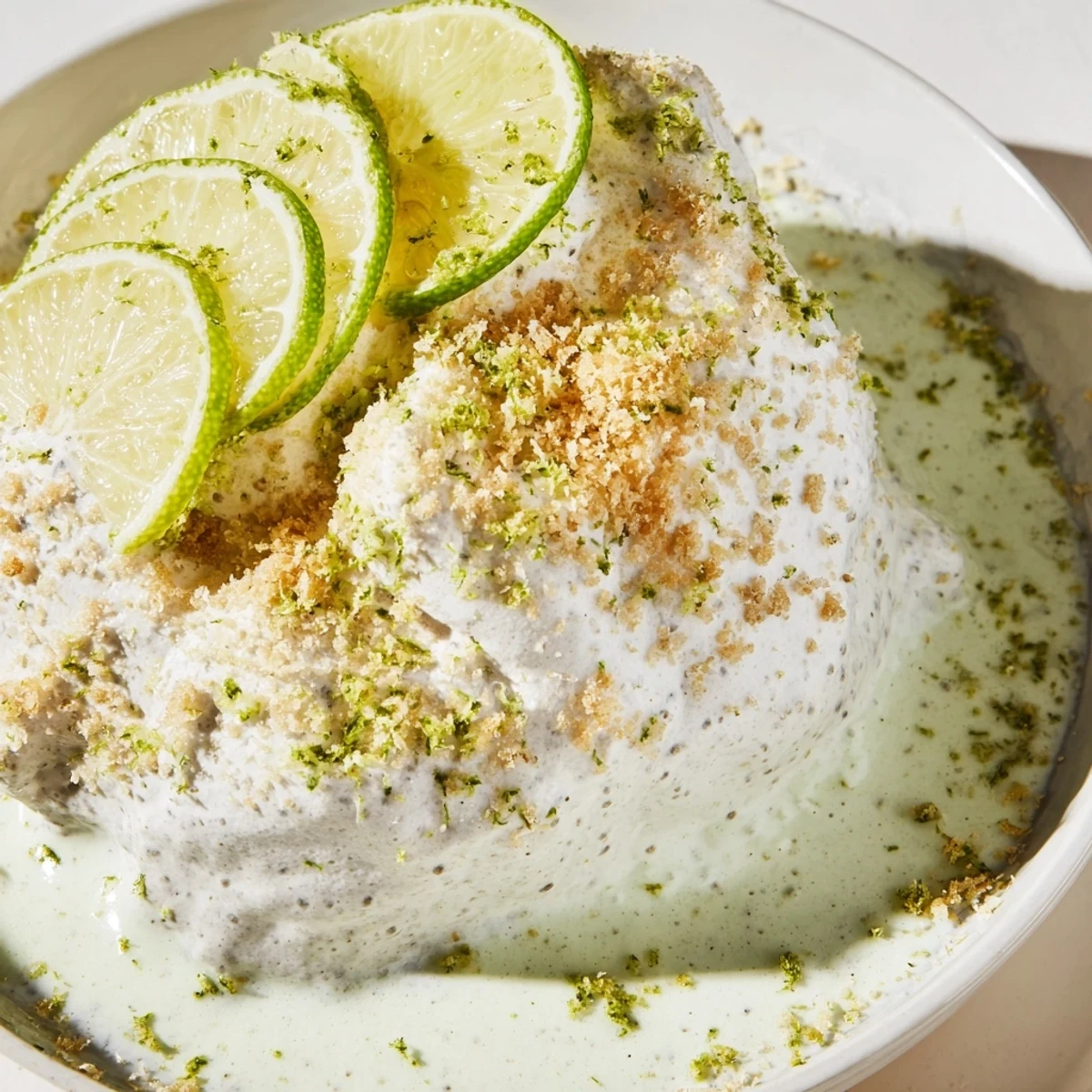
- Optional toppings: Coconut whipped cream, extra lime zest, crushed graham crackers, and fresh lime slices all add fun texture and visual appeal.
Instructions
- Combine everything:
- Pour the coconut milk into a medium mixing bowl and add the chia seeds, maple syrup, lime zest, lime juice, vanilla, and salt. Whisk vigorously until every seed is floating freely and the mixture looks smooth.
- Wait and restir:
- Set the bowl on the counter for ten minutes, then come back and whisk again. This second stir breaks up any clumps that started forming and gives you a creamier result.
- Chill until set:
- Cover the bowl tightly and slide it into the refrigerator for at least four hours or ideally overnight. The pudding is ready when it holds its shape and feels thick like a custard.
- Stir, serve, and garnish:
- Give the pudding one last enthusiastic stir, then spoon it into pretty glasses or jars. Top with coconut whipped cream, a sprinkle of extra zest, a handful of crushed graham crackers, or thin lime slices and serve cold.
 Pin to board
 There is something quietly satisfying about opening the fridge in the morning and finding rows of little jars already waiting for you, each one bright and trembling like a tiny dessert you can eat for breakfast without guilt.
Storing and Making It Last
This pudding keeps beautifully in airtight jars for up to four days in the refrigerator, and the lime flavor actually deepens and mellows over time. I usually make a double batch on Sunday and graze on it through Wednesday.
Choosing the Right Milk
Full fat coconut milk produces the most luxurious spoonable texture, but I have used oat milk and almond milk with great results when I wanted something lighter. Avoid thin watery milks because the pudding may never fully set.
Serving Ideas and Quick Tweaks
You can layer this pudding with fresh berries in a parfait glass for a brunch crowd or eat it straight from the jar standing over the kitchen sink. A few crushed graham crackers on top give you the full key lime pie illusion without any baking at all.
- For extra sweetness, drizzle in more maple syrup a tablespoon at a time before chilling.
- A drop of coconut extract alongside the vanilla adds a tropical twist that pairs beautifully with the lime.
- Always taste the mixture before you refrigerate it because chilling dulls the perception of sweetness slightly.
 Pin to board
 Keep a jar tucked in the back of your fridge for yourself and watch how fast it vanishes when someone else discovers it. That first tangy spoonful always wins people over.
Recipe FAQs
- → How long does the pudding need to chill?
-
The pudding requires at least 4 hours in the refrigerator to properly thicken. For the best texture and convenience, you can prepare it the night before and let it chill overnight. The chia seeds continue to absorb liquid over time, creating that perfect creamy consistency.
- → Can I use regular limes instead of key limes?
-
Absolutely. Regular limes work perfectly fine in this preparation. You'll need about half the number of regular limes since they're larger than key limes. The flavor profile will be slightly different but still deliciously citrusy and bright.
- → What milk alternatives work best?
-
Coconut milk creates the richest, creamiest result due to its natural fat content. However, almond milk, oat milk, cashew milk, or any other plant-based milk will work. Keep in mind that lighter milks may produce a slightly thinner consistency.
- → How long does this keep in the refrigerator?
-
This pudding stores exceptionally well for up to 4 days when kept in an airtight container in the refrigerator. The flavors often develop and intensify over time. You may want to give it a quick stir before serving if it has been sitting for a day or two.
- → Can I make this sweeter or less sweet?
-
Certainly. The maple syrup amount can be adjusted to your taste preferences—start with less and add more after the initial chilling period. For a completely sugar-free version, you could use liquid stevia or simply rely on the natural sweetness of the coconut milk.
- → Is blending necessary?
-
Blending is optional. Some people prefer the traditional texture with visible chia seeds, while others enjoy a completely smooth, silky consistency. If you prefer no texture, simply blend the mixture after the initial soaking period but before the final chilling phase.