
 Pin to board
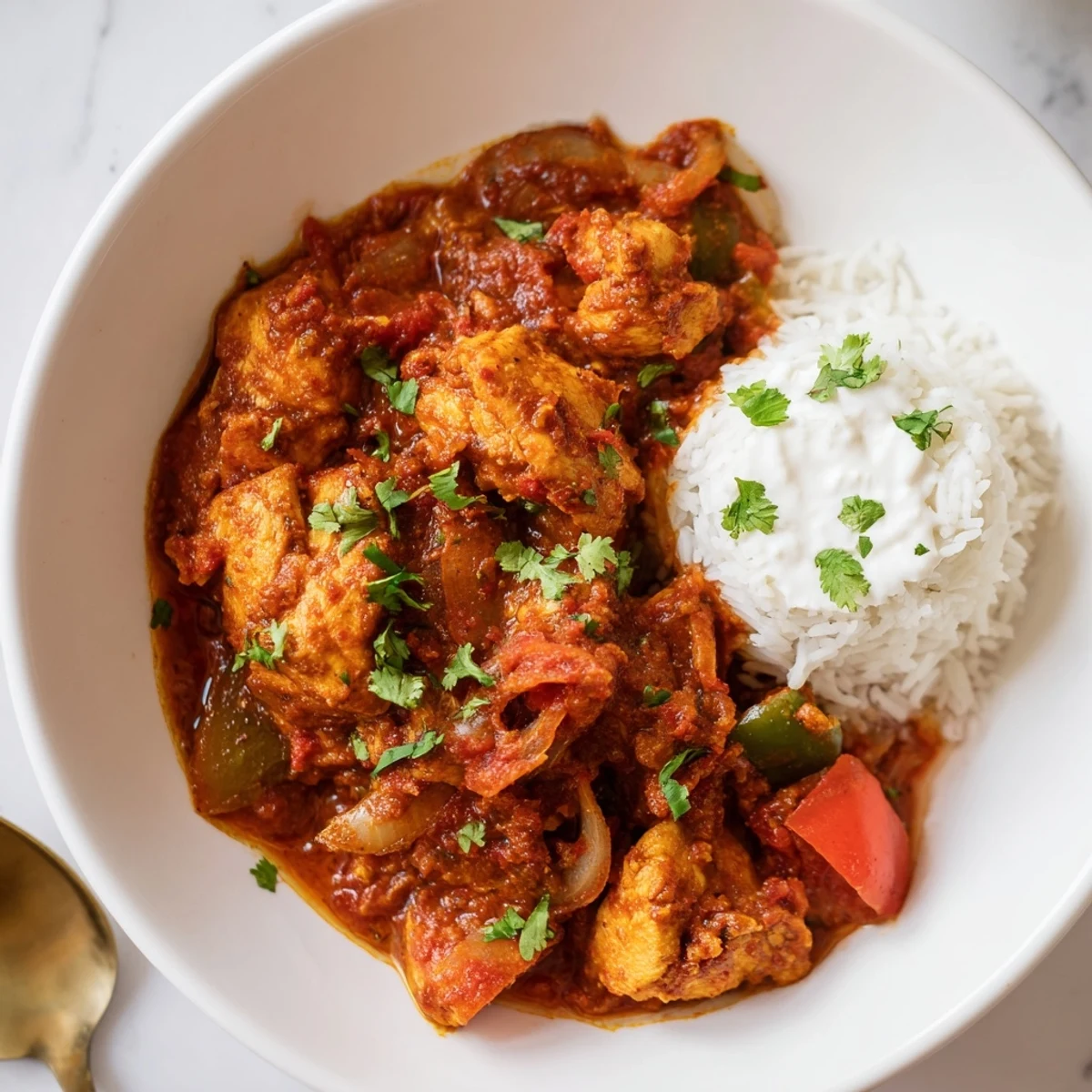
 Ready in 1 hour for 4 servings: temper whole spices in oil, brown onions until golden, then add garlic, ginger and tomatoes. Bloom ground spices, coat chicken pieces, stir in yogurt, and simmer in broth for 20–25 minutes until tender. Finish with garam masala and lemon, remove whole spices and garnish with cilantro. Serve with basmati rice or naan.
The smell of whole spices hitting hot oil is one of those things that pulls you into the kitchen before your brain even registers what is happening. My neighbor once knocked on my door during a snowstorm just to ask what was cooking, and we ended up sharing the entire pot with a stack of store bought naan. This chicken curry is the kind of dish that turns a random Tuesday into something worth remembering.
I started making this curry during a phase where I was terrified of cooking Indian food at home, convinced it required some secret knowledge I did not have. Turns out the real secret is patience with your onions and trusting the process when the spice paste looks like a strange paste before it transforms into something gorgeous.
Ingredients
- 800 g boneless chicken thighs: Thighs are the clear winner here because they stay succulent through the long simmer, unlike breasts which can dry out.
- 2 medium onions, finely chopped: Take the time to dice them small and uniform so they melt into the sauce rather than leaving stringy chunks.
- 3 cloves garlic, minced: Fresh garlic makes a noticeable difference, so skip the jarred version if you can.
- 1 tbsp fresh ginger, grated: Use a microplane for a fine grate that distributes evenly throughout the curry.
- 2 medium tomatoes, chopped: Ripe tomatoes add natural sweetness and acidity that balances the warmth of the spices.
- 2 green chilies, sliced: These are optional but they bring a bright, fresh heat that dried chili powder cannot replicate.
- 1 handful fresh cilantro, chopped: Added at the very end as a garnish, it gives a pop of color and a cool herbal contrast.
- 1 and a half tsp ground cumin: An earthy backbone spice that anchors the entire flavor profile.
- 1 and a half tsp ground coriander: Adds a mild citrusy warmth that rounds out the heavier spices.
- 1 tsp turmeric powder: Gives the curry its signature golden hue and a subtle bitterness that keeps it from being one dimensional.
- 1 and a half tsp garam masala: This goes in at the end to preserve its delicate, aromatic complexity.
- 1 tsp chili powder: Adjust this based on your tolerance, and remember you can always add more but you cannot take it away.
- 1 tsp salt: Season to taste throughout cooking rather than dumping it all in at once.
- Half tsp black pepper: A quiet enhancer that sharpens the other spices without demanding attention.
- 2 bay leaves, 4 whole cloves, 4 green cardamom pods, 1 cinnamon stick: These whole spices infuse the oil with fragrance and should be removed before serving.
- 150 ml plain yogurt: Adds tang and richness while tenderizing the chicken, but must be added gradually to avoid curdling.
- 3 tbsp vegetable oil or ghee: Ghee gives a more traditional flavor, but a neutral oil works beautifully too.
- 200 ml water or chicken broth: Chicken broth deepens the savory character of the sauce.
- Juice of half lemon: A final squeeze of acidity that brightens the entire dish right before serving.
Instructions
- Awaken the whole spices:
- Heat oil or ghee in a large heavy bottomed pan over medium heat and toss in the bay leaves, cloves, cardamom pods, and cinnamon stick. Let them sizzle for about a minute until your kitchen smells like a spice market.
- Build the onion base:
- Add the finely chopped onions and cook them down, stirring often, until they turn a deep golden brown, which usually takes around eight minutes. This step is the foundation of your curry, so do not rush it.
- Add garlic and ginger:
- Stir in the minced garlic and grated ginger, cooking for about a minute until fragrant. Keep the mixture moving so nothing sticks or burns.
- Cook down the tomatoes:
- Add the chopped tomatoes and green chilies, letting them cook until they break down and the mixture thickens into a paste, roughly four minutes. You want the oil to start separating from the edges.
- Bloom the ground spices:
- Stir in the cumin, coriander, turmeric, chili powder, salt, and black pepper, and cook for two minutes. The spices will toast and release an incredible aroma that tells you everything is on track.
- Brown the chicken:
- Add the chicken pieces and coat them thoroughly with the spice mixture, cooking until lightly browned on all sides, about five minutes. Each piece should look painted with the masala.
- Incorporate the yogurt:
- Pour in the yogurt a little at a time, stirring constantly so it blends smoothly without curdling. The sauce will look creamy and slightly lighter in color.
- Simmer to tenderness:
- Add the water or chicken broth, bring everything to a gentle simmer, then cover and cook for twenty to twenty five minutes. The chicken should be cooked through and fork tender.
- Finish with garam masala and lemon:
- Stir in the garam masala and lemon juice, then simmer uncovered for three to five more minutes to let the sauce thicken and concentrate. Taste and adjust salt if needed.
- Rest and garnish:
- Remove the whole spices carefully before serving, then scatter fresh cilantro over the top. Let the curry rest for a few minutes off the heat so the flavors settle.
 Pin to board
 There was a night my friend sat on my kitchen floor with a bowl of this curry, telling me about her grandmother in Mumbai and how the smell reminded her of Sunday afternoons as a child. Food does that sometimes, becoming a bridge between strangers.
Serving Ideas That Actually Work
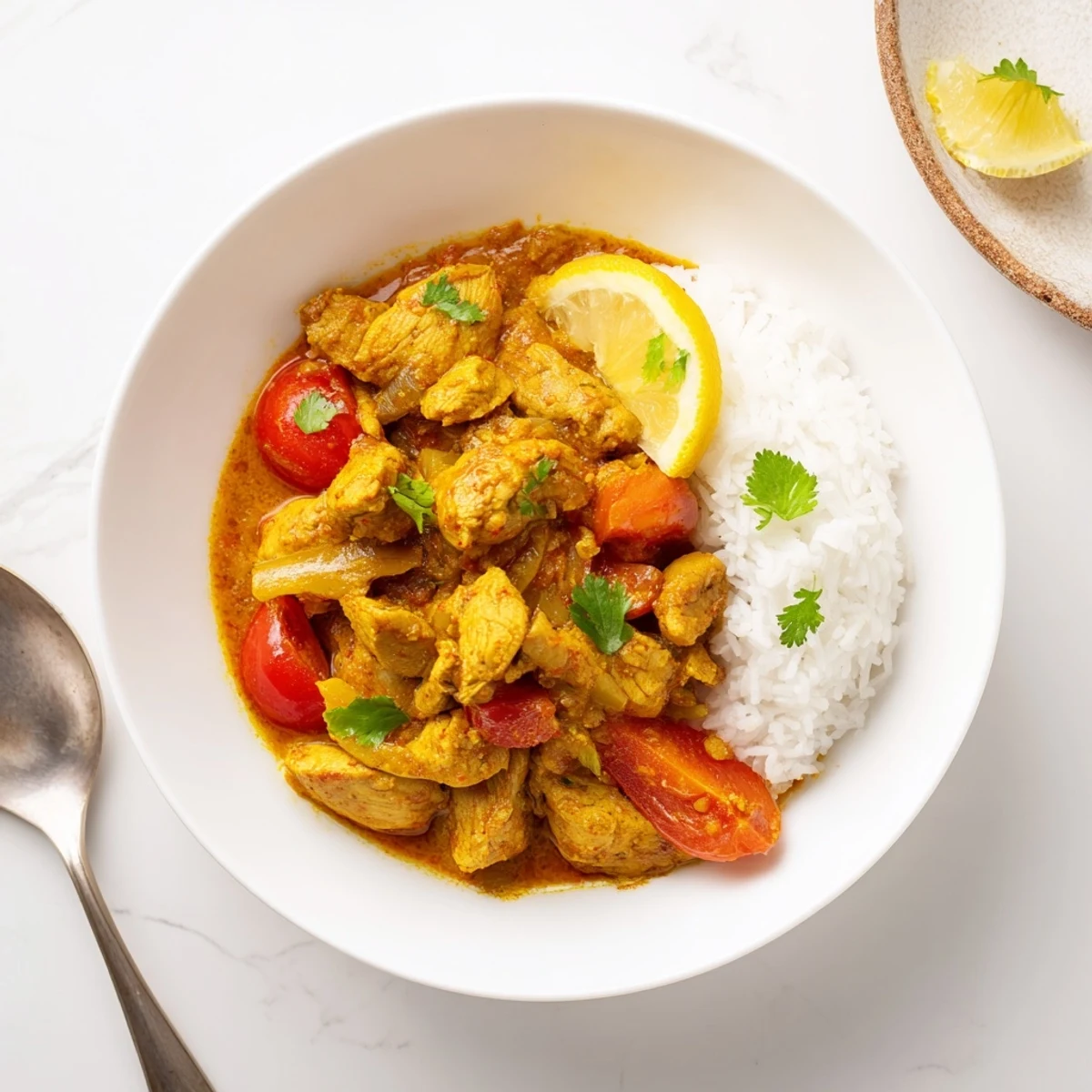
Steamed basmati rice is the obvious and correct choice, but I have also ladled this over plain roti torn into pieces when I was too lazy to cook rice. A dollop of extra yogurt on top and some quick pickled onions on the side take it from a weeknight dinner to something that feels intentional.
Making It Your Own
Swap the chicken thighs for bone in pieces if you want an even richer broth, though you will need to extend the simmering time by about ten minutes. A splash of coconut milk stirred in at the end creates a creamier, slightly sweeter version that is wonderful if you are serving guests who prefer milder heat.
Tools and Kitchen Notes
A heavy bottomed Dutch oven is ideal because it distributes heat evenly and prevents the spices from scorching on the bottom. A wooden spoon is gentler on your pan and gives you better control when scraping up the fond from those onions.
- A microplane makes quick work of the ginger and prevents stringy bits in the sauce.
- Measure all your spices into a small bowl before you start so you can add them in one confident motion.
- Always taste the curry after it rests, because the flavor shifts as it cools slightly.
 Pin to board
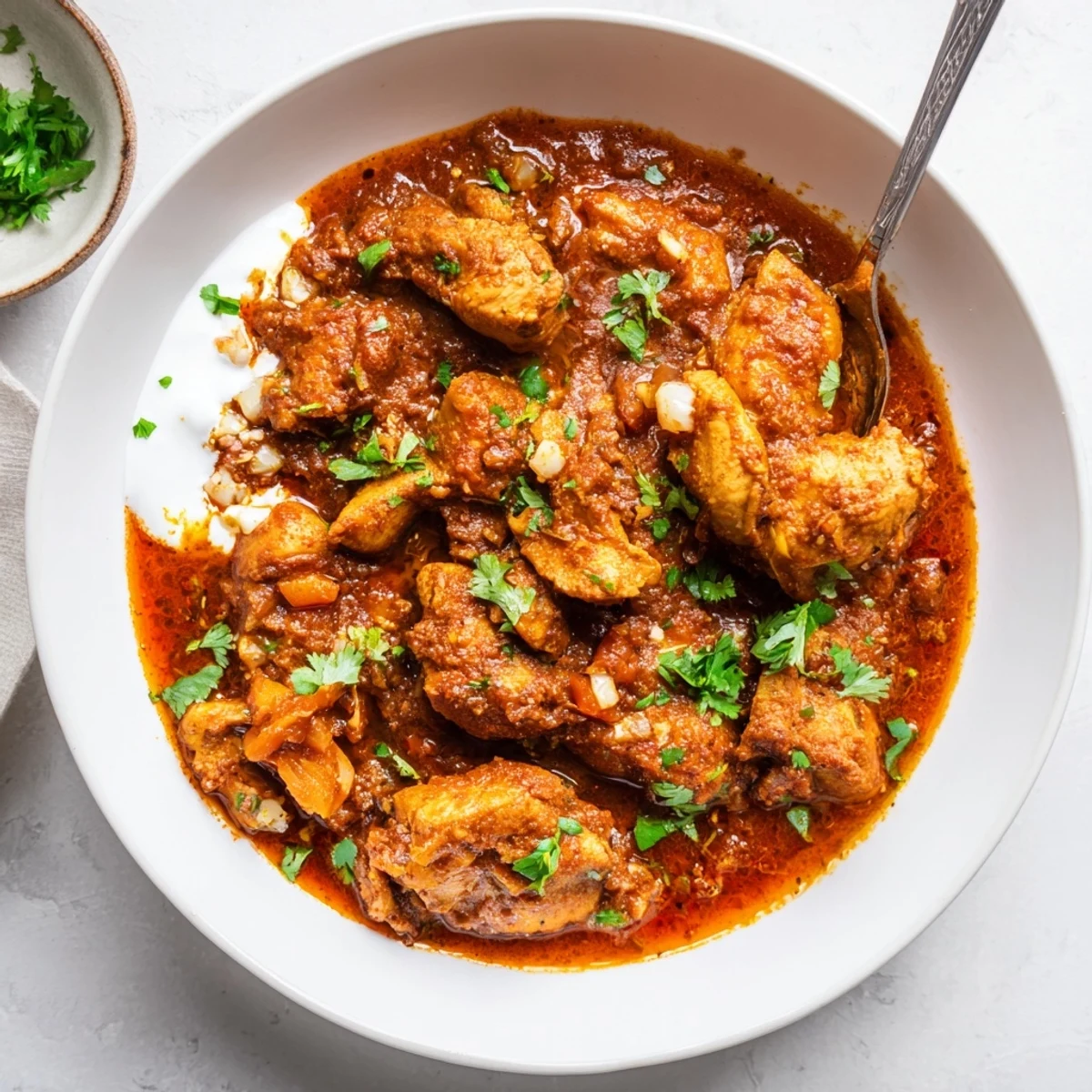
 This curry has a way of becoming part of your regular rotation without you even noticing, showing up on busy evenings and lazy weekends alike. Share it with someone who thinks homemade Indian food is too complicated, and watch them change their mind.
Recipe FAQs
- → How do I prevent the yogurt from curdling?
-
Temper the yogurt by whisking a few spoonfuls of the hot sauce into it before adding to the pan, and keep the heat gentle while stirring continuously to maintain a smooth sauce.
- → Can I use bone-in chicken instead of thighs?
-
Yes. Bone-in pieces add extra depth of flavor but will require a longer simmering time—plan for an additional 10–15 minutes until cooked through and tender.
- → How can I make the sauce creamier?
-
Stir in a splash of coconut milk or a little heavy cream at the end of cooking for a richer, silkier texture without overpowering the spices.
- → What’s the best way to adjust the heat level?
-
Reduce or omit the chili powder and green chilies for milder heat, or increase them and add a pinch of cayenne for more intensity. Taste and adjust toward the end of cooking.
- → How should leftovers be stored and reheated?
-
Cool quickly and refrigerate in an airtight container for up to 3 days or freeze for up to 3 months. Reheat gently on the stove with a splash of water or broth to loosen the sauce.
- → Can I swap spices if I’m missing something?
-
Yes. Use a simple blend of cumin, coriander and turmeric as a base; garam masala at the end layers the flavor. Whole spices like cardamom and cinnamon add warmth but aren’t essential.