
 Pin to board
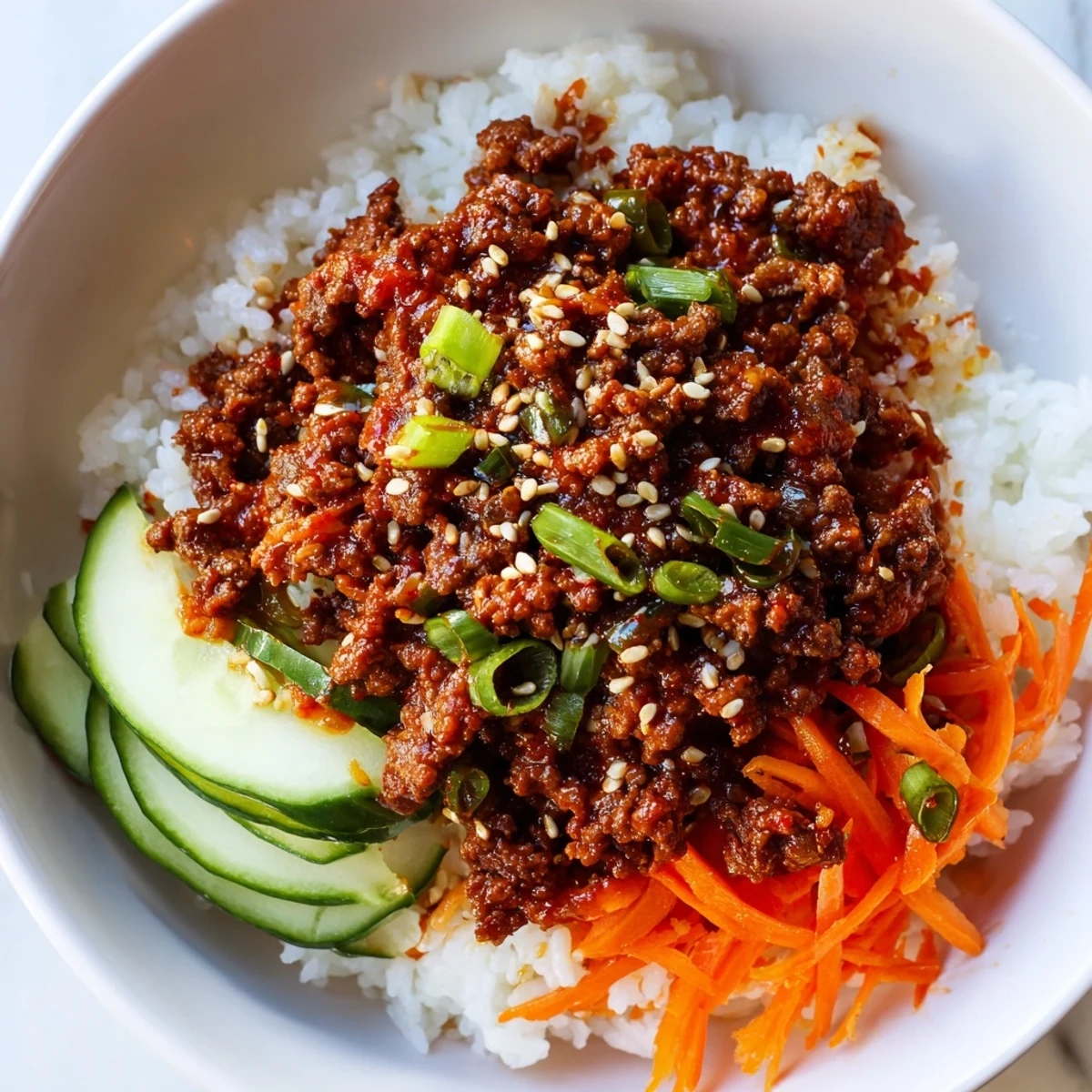
 These satisfying Korean-inspired bowls combine tender ground beef with a sweet and spicy sauce featuring soy sauce, brown sugar, sesame oil, garlic, ginger, and gochujang. Served over fluffy jasmine rice with crisp julienned carrots, refreshing cucumber slices, and scallions, each bowl offers a perfect balance of flavors and textures.
The dish comes together in just 25 minutes, making it ideal for busy weeknights. The sauce caramelizes beautifully as it coats the beef, creating a rich glaze that clings to every bite. Top with toasted sesame seeds for nuttiness, add kimchi for tangy depth, or sprinkle fresh cilantro for brightness.
This versatile bowl easily accommodates dietary swaps—try ground turkey or chicken instead of beef, or use tamari for a gluten-free version. Adjust the heat level by varying the gochujang or red pepper flakes to suit your preference.
My tiny apartment kitchen smelled incredible the first time I made these bowls, the sweet and spicy aromas drifting out to the hallway where my neighbor actually knocked to ask what I was cooking.
My brother was skeptical about the gochujang at first, but now he requests these bowls every time he visits, calling them his comfort food discovery of the year.
Ingredients
- 500 g lean ground beef: I drain the excess fat after browning to keep the bowl lighter without sacrificing flavor
- 60 ml low-sodium soy sauce: Low-sodium lets you control the salt level since the other ingredients are naturally flavorful
- 2 tbsp light brown sugar: Caramelizes beautifully and balances the salty soy sauce and spicy chili paste
- 1 tbsp sesame oil: This is the secret ingredient that makes everything taste authentically Korean
- 4 garlic cloves, minced: Fresh garlic is non-negotiable here, jarred minced garlic lacks that sharp punch
- 1 tbsp freshly grated ginger: Use a microplane if you have one, it breaks down the fibers better than a grater
- 1 tbsp gochujang: Start with this amount and add more if you love heat, it also adds a subtle fermented depth
- 2 tsp rice vinegar: Cuts through the richness and brightens the whole bowl
- 300 g jasmine or short-grain white rice: Jasmine rice is my weekday go-to, it is forgiving and perfumes the kitchen as it cooks
- 480 ml water: The ideal ratio for fluffy rice every time
- 2 medium carrots, julienned: I cut them into thin matchsticks so they are pleasant to eat, not tough and chewy
- 1 small cucumber, thinly sliced: Adds a cool, crisp contrast to the warm, spicy beef
- 4 scallions, thinly sliced: Use both the white and green parts for different layers of onion flavor
- 2 tbsp toasted sesame seeds: Toast them in a dry pan for 2 minutes first, it wakes up their nutty flavor
Instructions
- Cook the rice:
- Rinse the rice under cold water until it runs clear, this removes excess starch for fluffier grains. Bring the water to a boil, then reduce to a simmer, cover, and let it work its magic for 12-15 minutes.
- Whisk the sauce:
- Combine the soy sauce, brown sugar, sesame oil, garlic, ginger, gochujang, and rice vinegar in a small bowl until the sugar dissolves completely.
- Brown the beef:
- Heat your largest skillet over medium-high heat and add the ground beef, breaking it up with your spatula. Cook for about 5 minutes until no pink remains, then drain any excess fat.
- Add the sauce:
- Pour that beautiful red sauce over the beef and stir constantly for 2-3 minutes. You will know it is ready when the sauce coats every piece of meat and thickens just enough to cling.
- Build the bowls:
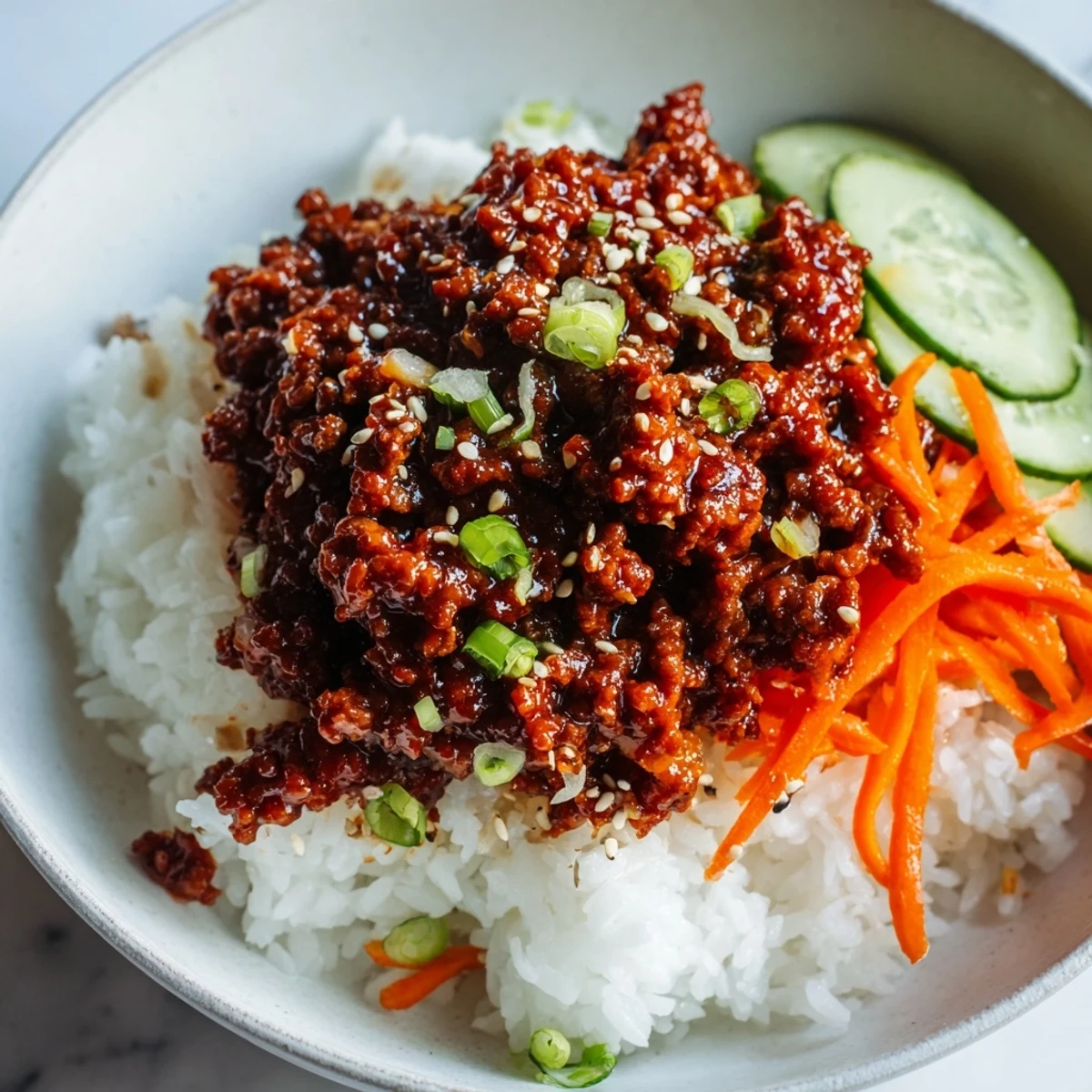
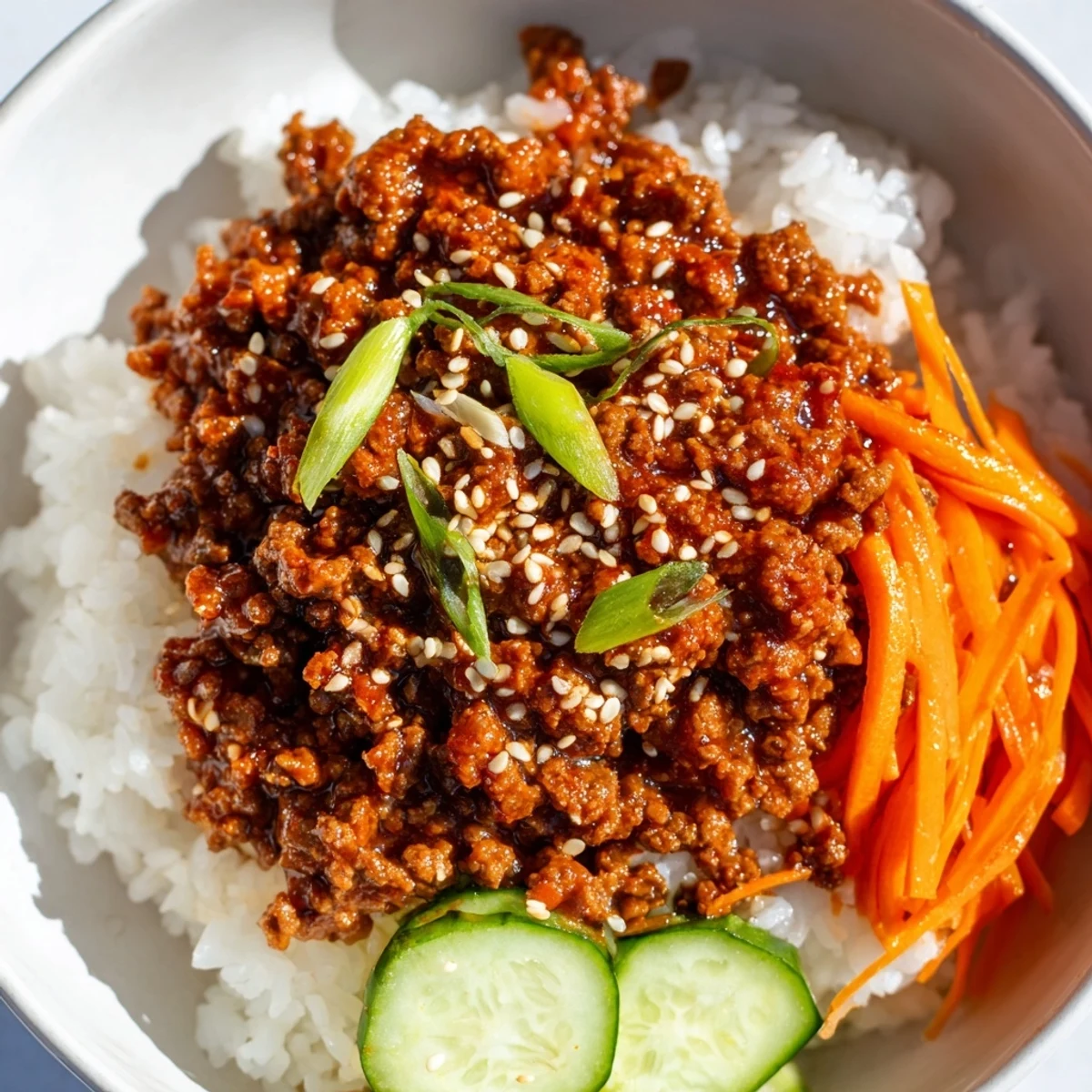
- Scoop steaming rice into four bowls and arrange the beef on one side. Arrange the carrots, cucumber, scallions, and sesame seeds in sections around the bowl so it looks as gorgeous as it tastes.
 Pin to board
 These Korean beef bowls have become my go-to when friends need cheering up, something about the combination of hot, cold, sweet, and spicy just makes people feel better.
Make It Your Own
Sometimes I swap ground turkey for the beef when I want something lighter, and honestly, the sauce is so flavorful that nobody notices the difference.
Get Ahead
The sauce can be mixed up to three days ahead and stored in the fridge, which makes weeknight cooking feel like cheating because half the work is already done.
Perfect Pairings
A glass of cold Riesling cuts through the spice beautifully, but if you prefer non-alcoholic, green tea is the traditional choice and works just as well.
- Leftovers keep for three days and the flavors actually meld together
- Serve with extra gochujang on the table for spice lovers
- The rice rehydrates in the microwave with a splash of water
 Pin to board
 Hope these bowls bring as much joy to your table as they have to mine.
Recipe FAQs
- → What makes the sauce Korean-style?
-
The sauce combines gochujang (Korean chili paste), sesame oil, garlic, and ginger with soy sauce and brown sugar. This blend creates the signature sweet, savory, and slightly spicy flavor profile typical of Korean cuisine.
- → Can I make this dish ahead of time?
-
The beef mixture reheats beautifully and can be stored in the refrigerator for up to 3 days. Prepare the rice fresh or reheat it gently. The vegetables are best added just before serving to maintain their crisp texture.
- → What type of rice works best?
-
Jasmine rice or short-grain white rice both work wonderfully. Short-grain rice offers a slightly stickier texture that clings to the sauce, while jasmine rice provides a fragrant, fluffy base for the beef.
- → How can I adjust the spice level?
-
Reduce or omit the gochujang and red pepper flakes for a milder dish. For more heat, increase the gochujang to 2 tablespoons or add extra red pepper flakes. The spice can always be adjusted at the table with sriracha or chili oil.
- → What other toppings can I add?
-
Sliced avocado, quick-picked radishes, shredded cabbage, or bean sprouts make excellent additions. A fried egg on top creates a richer bowl, while steamed edamame adds extra protein.
- → Is gochujang essential for this dish?
-
Gochujang provides authentic Korean flavor, but you can substitute with red pepper flakes and a touch of tomato paste for thickness. The taste will differ slightly but still deliver a delicious, spicy-savory result.