
 Pin to board
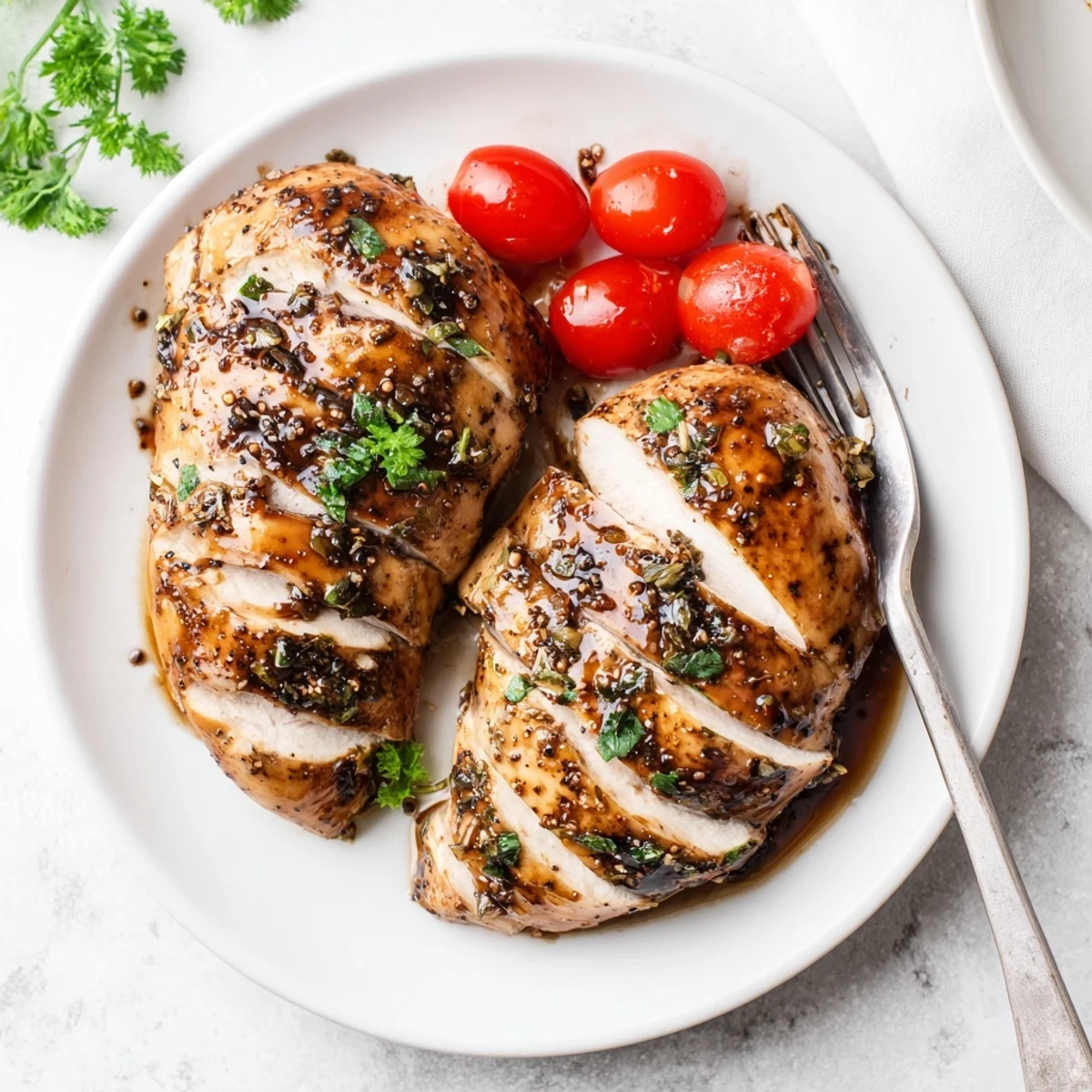
 Marinate boneless chicken breasts in balsamic vinegar, olive oil, honey, minced garlic and dried Italian herbs for 10–20 minutes at room temp or up to 8 hours chilled to deepen flavor. Bake at 400°F (200°C) in a single layer for 20–25 minutes, basting once, then rest 5 minutes; broil 2–3 minutes to caramelize. Ensure internal temperature reaches 165°F (74°C). Leftovers keep 3–4 days refrigerated.
Out of all the weeknight meals I've thrown together, few have earned as many surprised compliments as this balsamic baked chicken breast. The first time I tried it, the aroma of vinegar, honey, and garlic drifting from my oven made my mouth water long before dinner was served. Timing was tight, ingredients were simple, but that glossy, herby marinade made it feel like I'd pulled off something special. Sometimes the simplest dishes really do win the day.
One stormy Thursday I baked this for a friend who'd just finished a tough week—her gratitude was immediate after the first juicy, sweet-savory bite. I'll never forget how we both ended up standing at the counter, scooping extra pan juices onto our plates and not caring one bit about forks and knives.
Ingredients
- Chicken breasts: Boneless and skinless is key for even, speedy cooking—over time I found flattening the thickest parts a little helps them stay moist.
- Balsamic vinegar: Use the real, slightly syrupy kind; cheap balsamic just doesn’t concentrate into the glossy sauce you want.
- Extra virgin olive oil: A glug gives the marinade that luscious body and coats the chicken so it crisps gently on the edges.
- Honey: Balances the vinegar and adds just enough sweetness—swap for maple syrup for a different vibe.
- Garlic: Three cloves, minced fine so it nearly melts into the sauce; don’t skimp unless you want bland results.
- Dried Italian herbs: A quick fix for maximum flavor, or go rogue with whatever’s fresh in your fridge.
- Salt: I've learned a heavy pinch is necessary with acids like vinegar to keep the flavors round and full.
- Black pepper: Freshly cracked delivers a subtle heat that makes each bite pop.
- Chopped fresh parsley, cherry tomatoes (optional): Not just pretty—adds a fresh, tangy note that makes the dish sing, especially if the tomatoes are sweet.
Instructions
- Get the oven ready:
- Set your oven to 400°F and take a minute to lightly grease the baking dish—trust me, this step saves you scrubbing later.
- Mix up that marinade:
- Whisk together balsamic vinegar, olive oil, honey, garlic, herbs, salt, and pepper in a bowl—the scent alone is worth the effort.
- Coat the chicken:
- Place the chicken breasts in a resealable bag or dish, pour over the marinade, and turn them so every surface is glossy—ten minutes is enough, but more time only makes it better.
- Arrange and pour:
- Lay the marinated chicken in the prepared dish, then tip the rest of the marinade over so nothing goes to waste.
- Bake to perfection:
- Bake for 20-25 minutes, basting the chicken at the halfway mark—listen for those quiet sizzles, then check for doneness at 165°F.
- Crank up the broiler (optional):
- If you crave a sticky top, broil for 2-3 minutes until caramelized but keep a close eye—one distracted moment and it burns fast!
- Rest, slice, and garnish:
- Let the chicken rest for five minutes, then slice and scatter parsley and cherry tomatoes on top for color and zing.
 Pin to board
 There was this casual Friday when my nephew refused to eat anything "that looked healthy," but after a single hesitant bite of these chicken breasts, he was all in, licking his fork and demanding a second serving—which, honestly, never happens with poultry at my table.
Making the Marinade Work For You
I've learned to play with the marinade based on what I have—sometimes I swap honey for a drizzle of maple syrup, or toss in a handful of fresh basil when it's growing wild on my windowsill. If I ever run out of dried herbs, even a little thyme alone still gives the right aromatic lift. The real secret is balancing the sweet and tangy, so taste as you whisk.
Getting the Most Tender Results
After countless attempts, I realized pounding the chicken so it’s even in thickness stops any sad, dry spots from happening. Letting it warm just slightly out of the fridge before baking makes a surprising difference too. A digital thermometer is your best friend here—that magic 165°F keeps the juiciness just right.
Serving and Savoring Every Bite
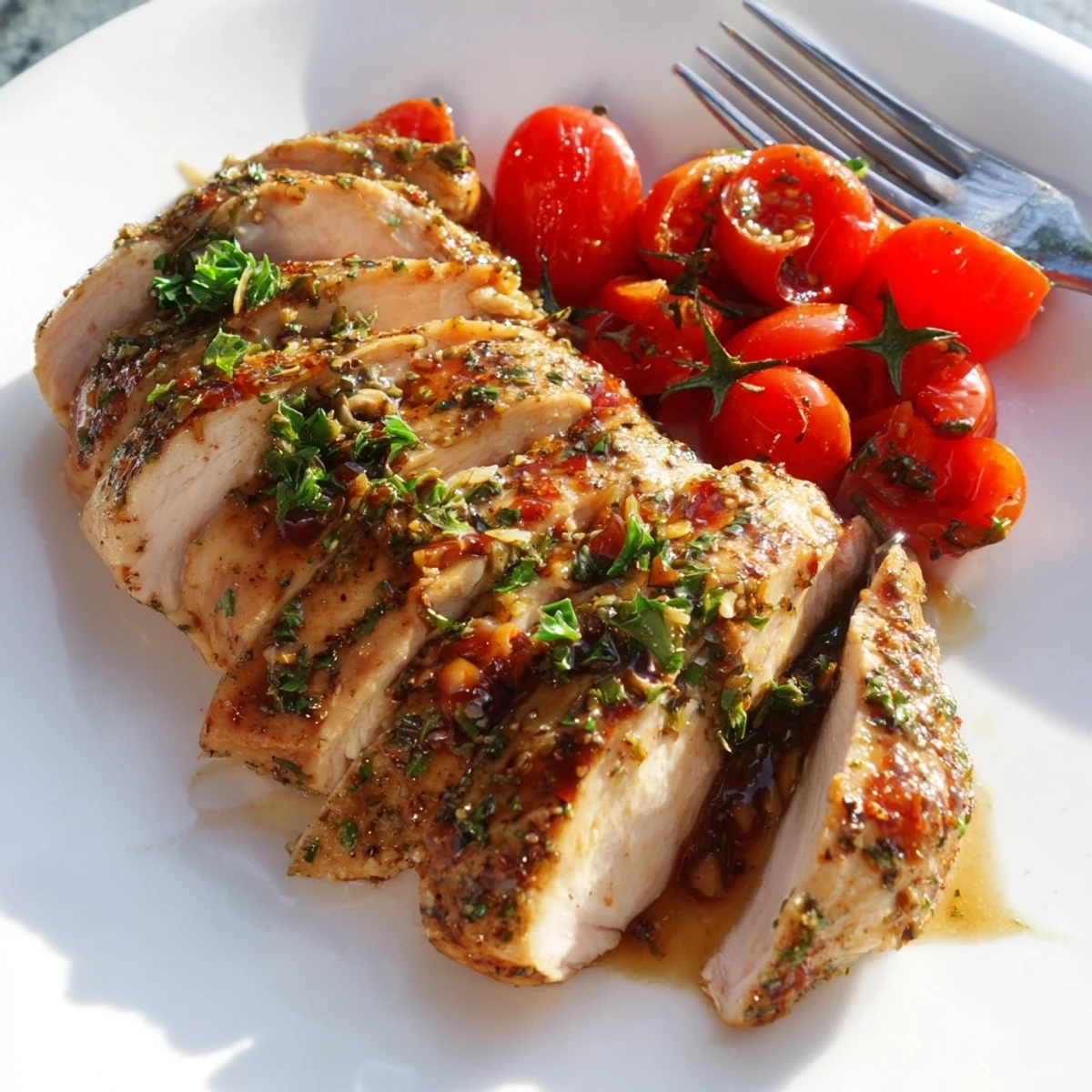
Don't forget to spoon some of those pan juices over the sliced chicken before you serve—it might be the best part. Cutting into the meat right away can cause all the good stuff to run out, so pace yourself. For a pop of freshness, always finish with parsley, even if you skip the tomatoes.
- Toss leftover slices into salads or wraps for a satisfying lunch.
- You can prep the marinade in the morning for a nearly instant evening meal.
- If you double the batch, leftovers taste even better the next day cold or reheated.
 Pin to board
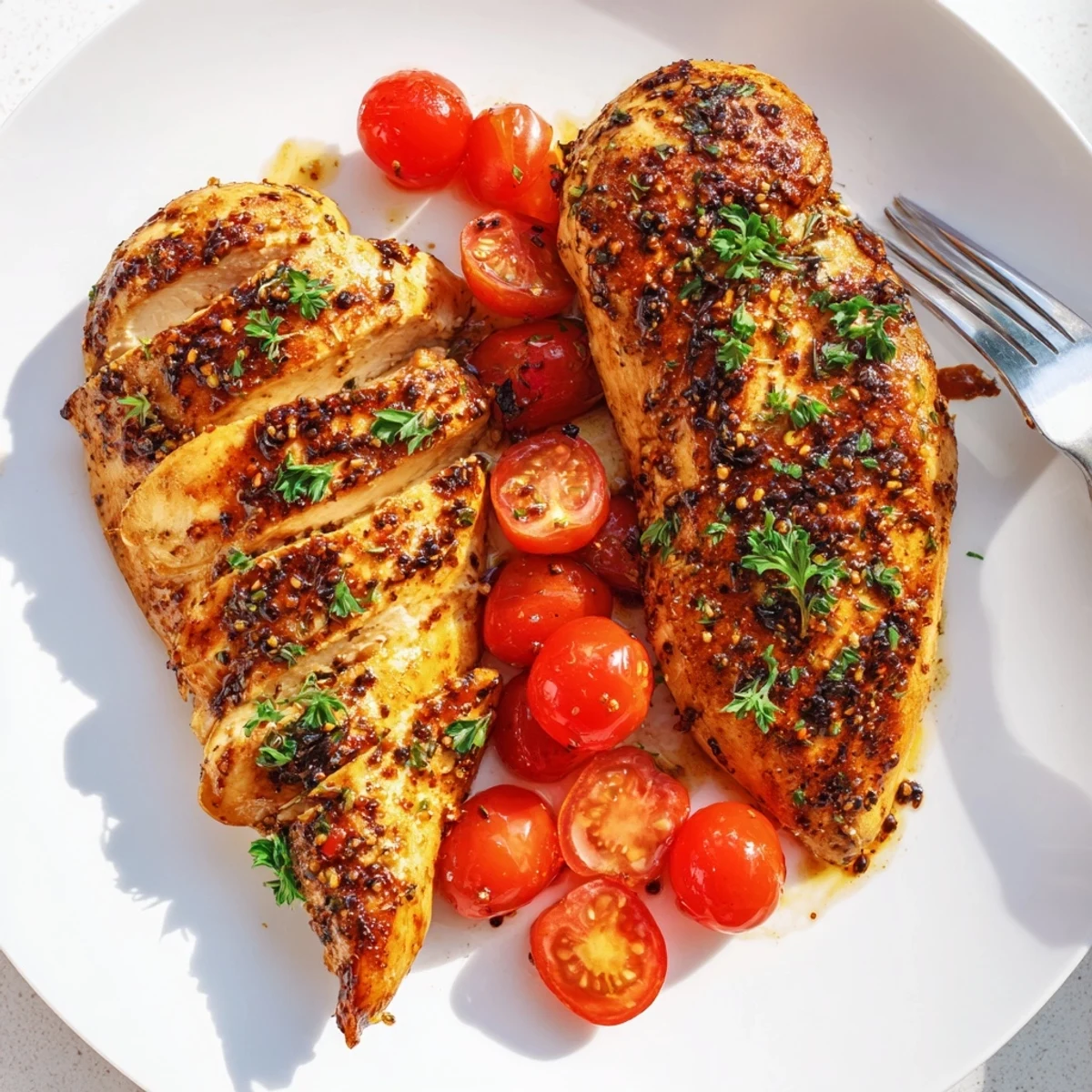
 There’s something about a simple baked chicken, humming with sweet and tangy glaze, that feels like a tiny victory at the end of a busy day. Here’s hoping it gives you a new reason to look forward to dinner.
Recipe FAQs
- → How long should I marinate the chicken?
-
For immediate cooking, 10–20 minutes at room temperature adds noticeable flavor. For deeper penetration, marinate up to 8 hours in the fridge. Avoid much longer for delicate texture changes.
- → How do I know the chicken is cooked through?
-
Use an instant-read thermometer: the thickest part should reach 165°F (74°C). Alternatively, cut into the center; juices should run clear and meat should be opaque.
- → Can I use bone-in chicken instead?
-
Yes. Bone-in pieces will need longer cooking time—typically add 15–25 minutes depending on size. Bake covered for most of the time, then uncover to brown and check with a thermometer near the bone.
- → What can I use instead of honey?
-
Maple syrup is a great one-to-one substitute for honey and adds a similar sweetness and caramelization. Agave or light brown sugar diluted in a little water also work.
- → How can I keep the chicken juicy?
-
Don’t overcook: remove from oven at 165°F (74°C) and let rest 5 minutes to redistribute juices. Basting once or twice with pan juices while baking helps, as does a short high-heat broil at the end to caramelize without drying.
- → What should I serve with it and what pairs well to drink?
-
Serve alongside roasted vegetables, rice, or a simple green salad. A crisp Pinot Grigio or a light red complements the balsamic and honey glaze nicely.