
 Pin to board
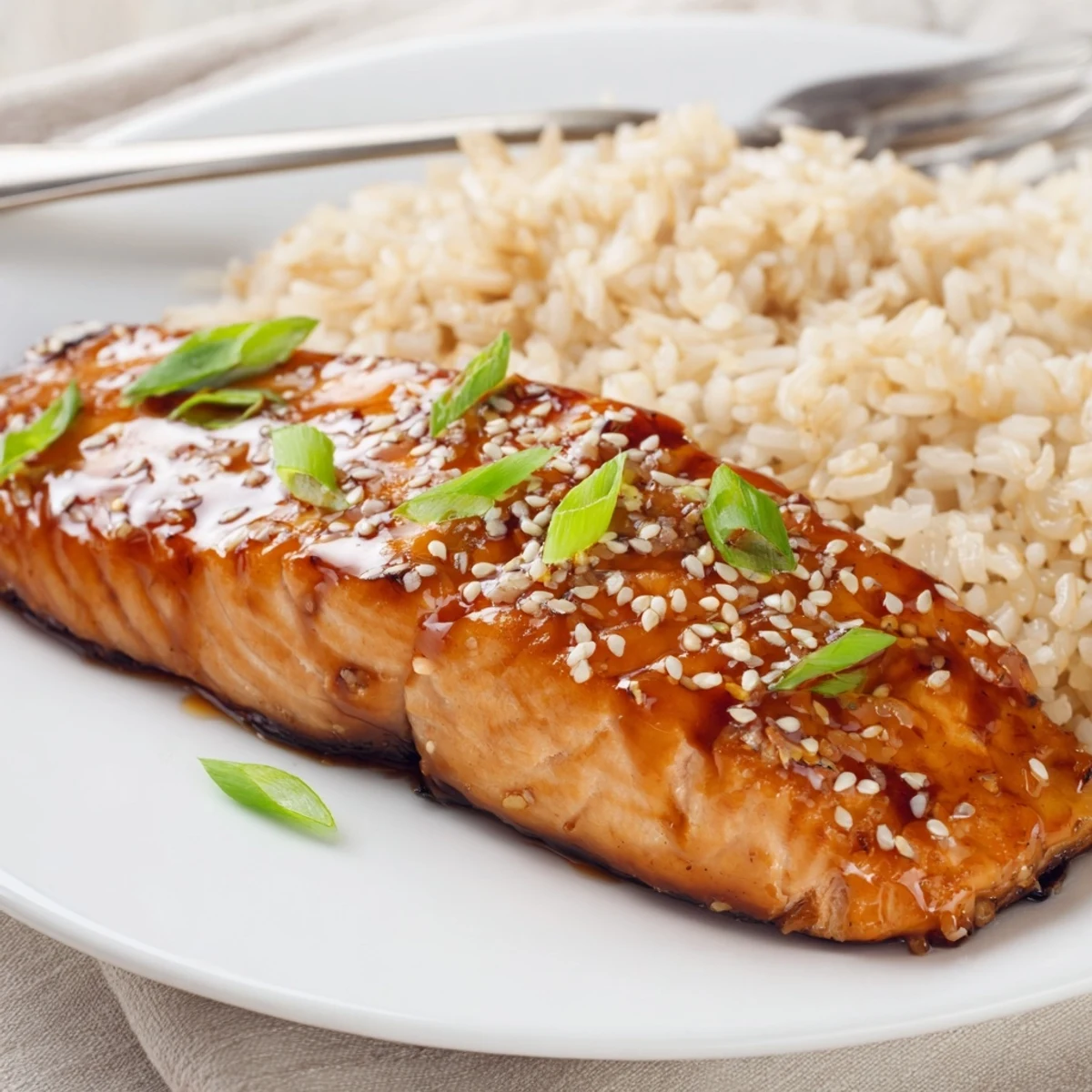
 Salmon fillets are coated with a teriyaki glaze made from soy sauce, mirin, honey, brown sugar, rice vinegar, garlic, ginger and sesame oil. Simmer the sauce briefly to thicken, brush half over the fish, then bake at 200°C (400°F) for 12–15 minutes until just flaky. Brush the remaining glaze on the hot fillets and finish with sesame seeds and sliced spring onions for texture and brightness.
One night, after coming home late from a busy Tuesday, I opened the fridge in desperate need of something quick yet satisfying. My eyes landed on a couple of salmon fillets I'd forgotten I bought, and within minutes I was whisking together a sticky teriyaki glaze, letting its aroma fill the kitchen. There was something oddly calming about the rhythmic sizzle of the sauce and the gentle lift of steam as it simmered. Looking back, that impromptu dinner turned an exhausting evening into an unexpected comfort meal.
One spring evening, I made this salmon for friends visiting from out of town, and we ended up talking for hours at the kitchen table, chopsticks in hand and salmon disappearing bite by bite. The laughter came easily, encouraged by the delight of tearing into perfectly flaky fillets dressed in mahogany sauce. Someone accidentally flicked a sesame seed across the room, and we couldn't stop laughing - that memory is now tied to this dish forever.
Ingredients
- Salmon fillets: Fresh or high-quality frozen salmon gives the richest flavor and the glaze helps keep it juicy, whether you choose skin-on or skinless.
- Soy sauce: Use a naturally brewed soy for depth, and swap in tamari if you need it gluten-free.
- Mirin (or dry sherry): Mirin offers a subtle sweetness and sheen, but sherry is a great backup if you can’t find it at your local shop.
- Honey or maple syrup: Adds that signature sweet note; maple syrup gives a gentler flavor that pairs especially well with salmon’s richness.
- Brown sugar: For caramel undertones and a pretty, sticky finish on your glaze.
- Rice vinegar: This brightens everything; just a splash helps balance out the sweetness.
- Garlic: Mince it finely so it melts smoothly into the sauce.
- Ginger: Fresh ginger, grated, gives the glaze a gentle warmth and zing; powder doesn't quite have the same effect.
- Sesame oil: Just a trickle lends a toasty aroma as the glaze cooks.
- Sesame seeds: Sprinkle these for a final nutty crunch and visual pop.
- Spring onions: Their mild bite contrasts beautifully with the sweet, savory sauce.
Instructions
- Get the oven ready:
- Heat your oven to 200°C (400°F) and line a baking tray with parchment or a slick of oil so the salmon won’t stick.
- Make the teriyaki glaze:
- Bring soy sauce, mirin, honey, brown sugar, rice vinegar, garlic, ginger, and sesame oil to a simmer in a saucepan, stirring until fragrant and slightly thickened—watch for those tiny bubbles and a shiny gloss.
- Dress the salmon:
- Arrange the fillets on your tray and brush them generously with half the teriyaki sauce, making sure to coat every nook.
- Bake to perfection:
- Slide the tray into the oven and bake for 12 to 15 minutes, until the fish just flakes when pressed with a fork and the glaze has darkened at the edges.
- Finish and garnish:
- Brush on the remaining sauce, then finish with sesame seeds and a fresh scatter of spring onion just before serving.
 Pin to board
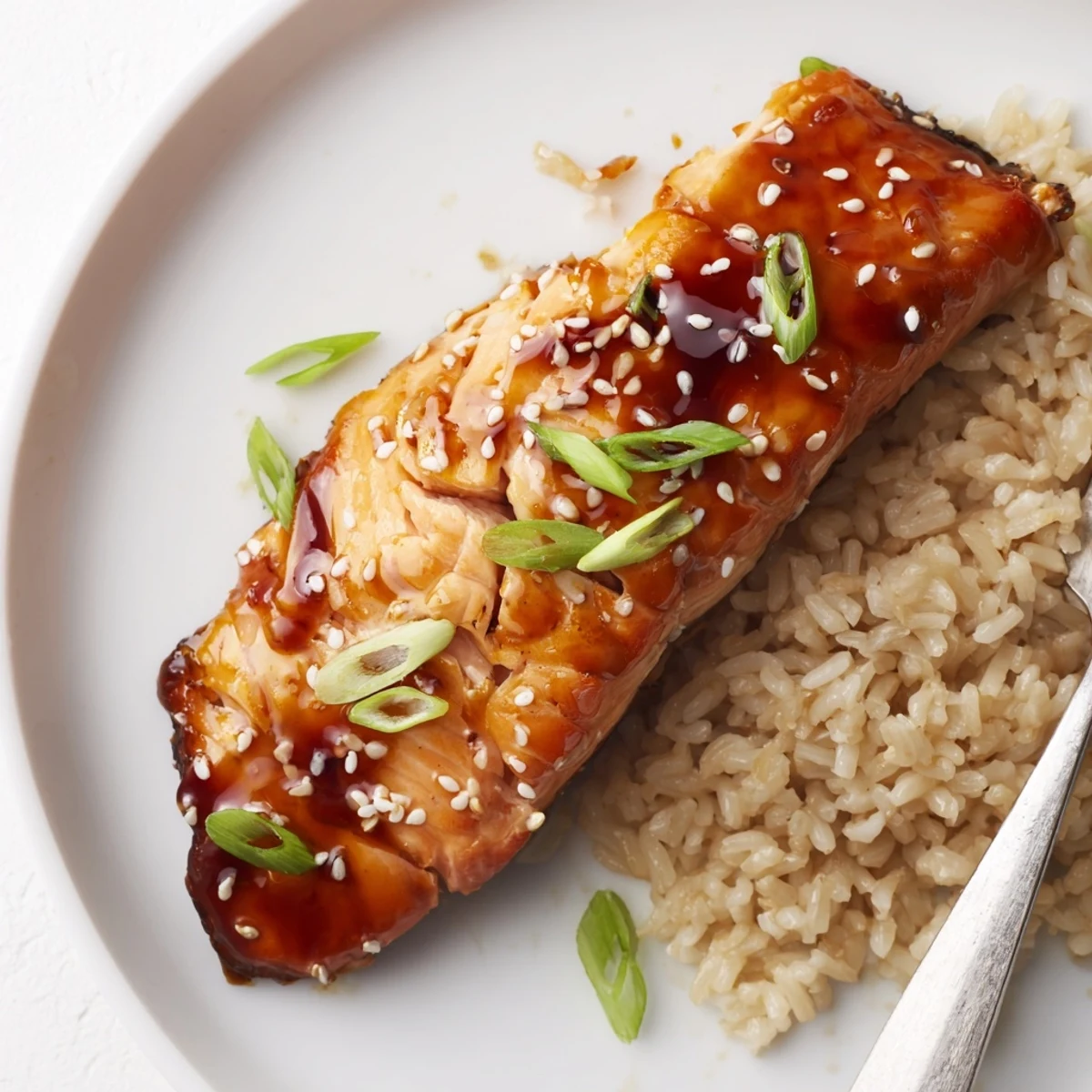
 I’ll never forget my brother peering into the oven, impatiently tapping his fingers and declaring that if the kitchen smelled this good, the salmon must be close to magic. We served it alongside fluffy steamed rice and tossed greens, and long after plates were cleared, the taste of that sticky, caramelized glaze lingered in my mind as proof that simple really can be spectacular.
Swaps and Shortcuts That Actually Work
When I couldn't find mirin, a splash of dry sherry not only worked—it brought a slightly deeper aroma to the party. Maple syrup is just as lovely as honey if that’s what you have, and I’ve swapped out rice vinegar with apple cider vinegar in a pinch without any complaints. The recipe’s resilience is comfort when pantry supplies are running low, promising a delicious outcome regardless.
The Secret to Glaze That Clings
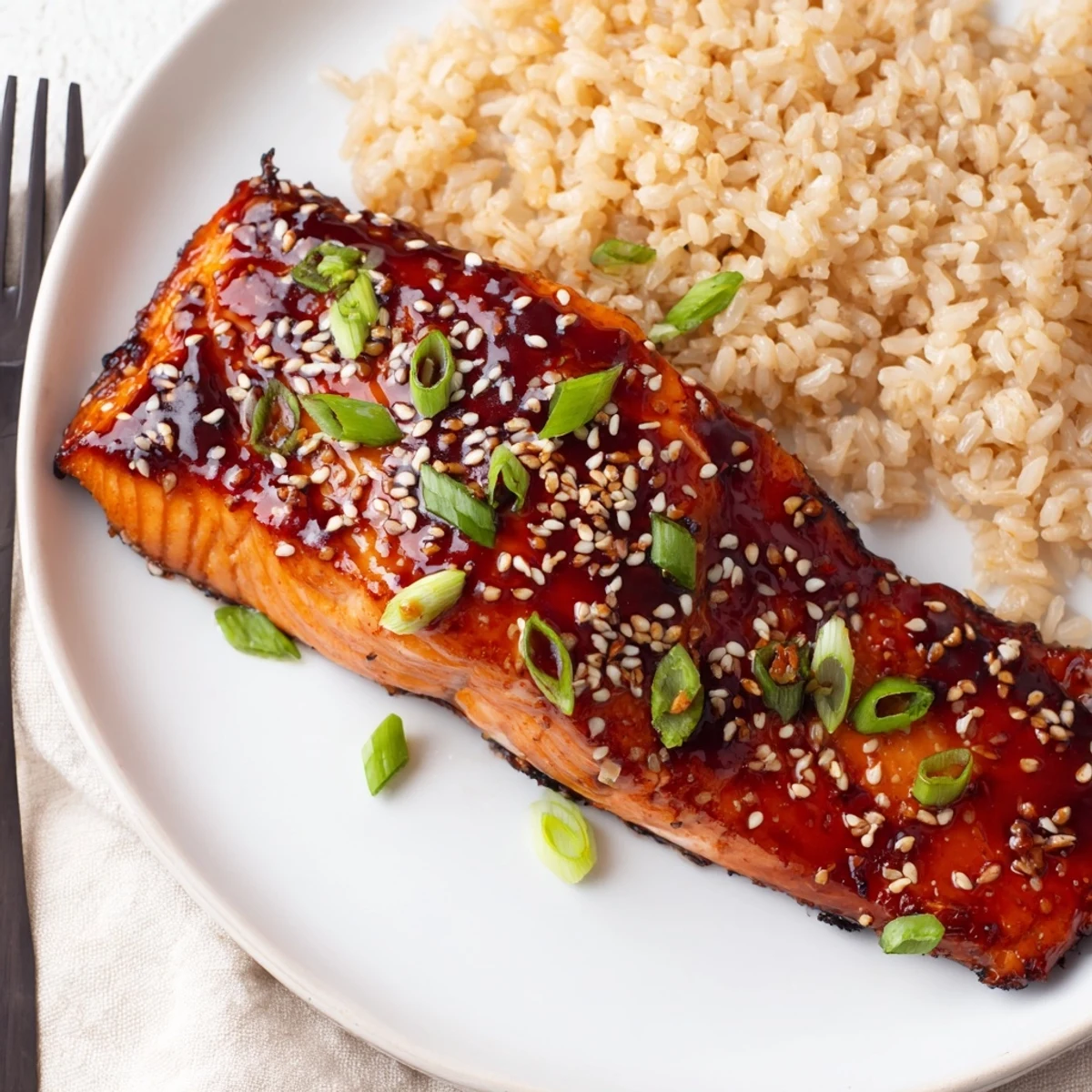
Stirring the glaze constantly as it simmers transforms it from watery to lusciously syrupy right before your eyes. Letting it cool for a minute helps it thicken even more, so when you brush it on the salmon, it’s almost like a lacquer—no puddles, just shine. Don’t rush this part; the patience pays off in every bite.
Making It a Meal to Remember
The first time I topped the baked salmon with a flurry of sesame seeds and a shower of spring onion, it instantly felt restaurant-worthy. That little act of finishing—just a thirty-second flourish—makes all the difference between “just dinner” and something my friends rave about days later.
- Serve with fluffy white or brown rice to soak up every drop of sauce.
- Sautéed bok choy or quick-blistered green beans make perfect companions.
- Don’t forget, chilled green tea pairs brilliantly for a refreshing match.
 Pin to board
 Even after countless trays of teriyaki salmon, its sticky-sweet fragrance still signals home. Let it transform your weeknight into something quietly memorable, too.
Recipe FAQs
- → How do I prevent the glaze from burning while baking?
-
Simmer the glaze until slightly thickened, brush only half on before baking, and reserve the rest to brush on after cooking. Bake at a moderate temperature (200°C/400°F) and avoid broiling until the final minute if you want extra color.
- → Can I use frozen salmon for this preparation?
-
Yes—thaw completely and pat dry before glazing to ensure the sauce adheres and the fillets cook evenly. Thicker pieces may need an extra minute or two in the oven.
- → What can I substitute for mirin?
-
Use a dry sherry or a mix of sake and a pinch of sugar if mirin isn't available. For a nonalcoholic swap, a light rice vinegar with a touch of extra sweetener can work.
- → How do I make the glaze vegan-friendly?
-
Replace salmon with firm tofu or roasted eggplant, swap honey for maple syrup or agave, and use tamari instead of regular soy sauce to accommodate gluten-free needs.
- → What side dishes pair well with teriyaki salmon?
-
Steamed rice, sautéed or steamed greens (bok choy, spinach, or broccolini), and lightly pickled cucumbers complement the glossy glaze and balance the sweet-salty flavors.
- → How can I add heat to the glaze?
-
Stir in a pinch of chili flakes, a dash of toasted chili oil, or a little grated fresh chili to the sauce while simmering to build a spicy undertone without overpowering the glaze.