
 Pin to board
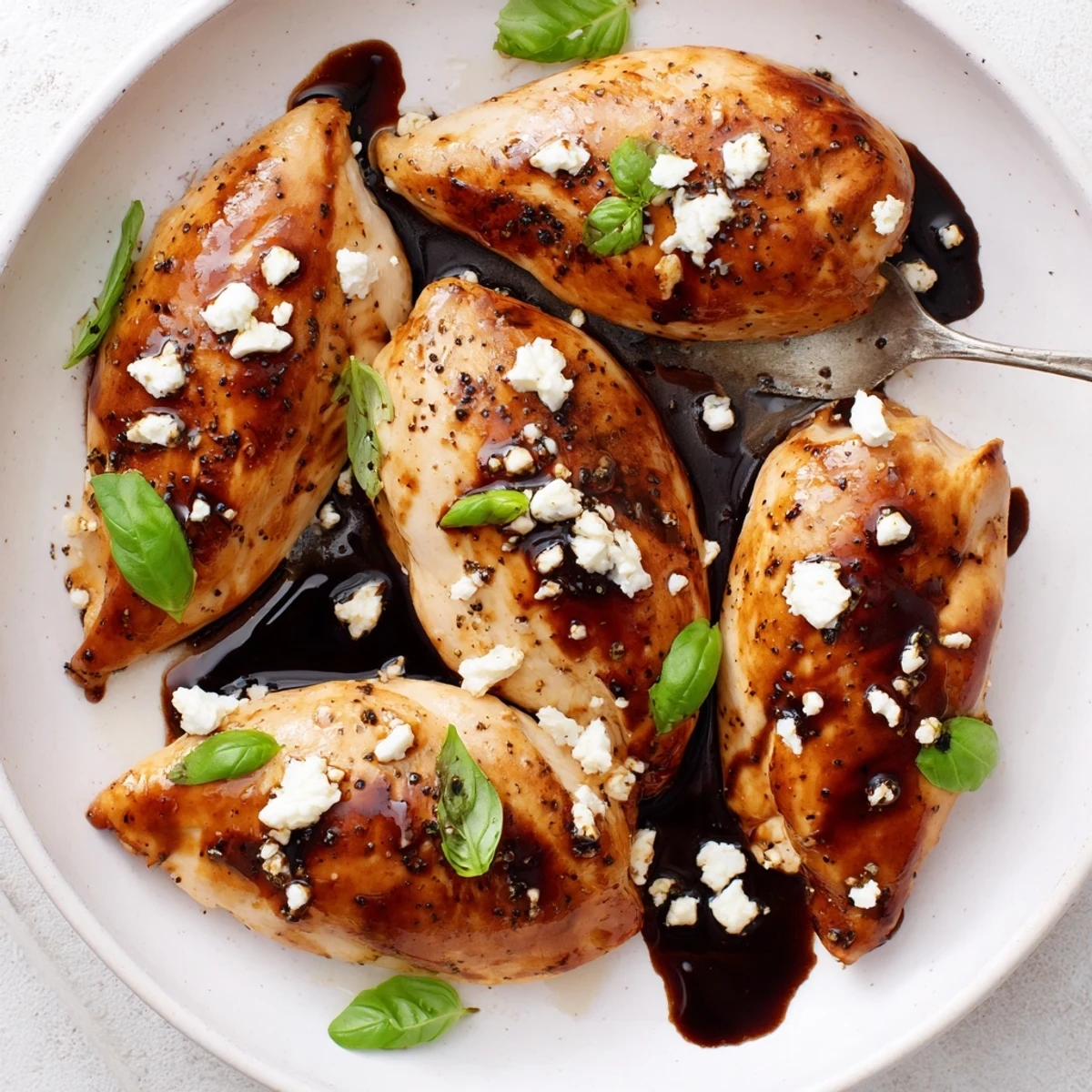
 Season boneless chicken breasts and coat with a mixture of balsamic vinegar, honey, Dijon, garlic and olive oil. Bake at 400°F for 20–25 minutes, basting once, until internal temperature reaches 165°F and juices run clear. Scatter crumbled goat cheese over hot breasts and return briefly to soften. Finish with chopped basil and an extra balsamic drizzle for bright, sweet-tangy contrast. Serves four and pairs well with roasted vegetables or a simple green salad.
The smell of balsamic vinegar hitting a hot oven pan is something between caramel and woodsmoke, and it hooked me the first time I tried it on a random Tuesday when the fridge offered nothing but chicken and condiments. That evening turned into one of those unexpected wins where dinner feels fancier than the effort deserves. My roommate walked in and asked if I was hiding a culinary degree. I was not.
I served this at a small dinner party once when the main course I had planned fell apart at the last minute. Two friends asked for the recipe before they even finished eating, and someone called it the best chicken they had ever had. That is the kind of backup plan worth keeping in your back pocket.
Ingredients
- 4 boneless, skinless chicken breasts: Pound them to even thickness so they cook uniformly and no one ends up with a dry edge.
- 1/3 cup balsamic vinegar: Use a decent one here because it is the backbone of the entire glaze and cheaper vinegars can taste harsh.
- 2 tablespoons honey: Balances the acidity of the vinegar and helps the glaze caramelize into something gorgeous.
- 1 tablespoon Dijon mustard: Adds a subtle heat and helps emulsify the marinade so it clings to the chicken.
- 2 cloves garlic, minced: Fresh garlic matters here because its sweetness rounds out the tang.
- 2 tablespoons olive oil: Keeps the chicken juicy and carries flavor across the surface.
- 1/2 teaspoon salt and 1/4 teaspoon black pepper: Simple seasoning lets the glaze shine without competing.
- 4 oz goat cheese, crumbled: Let it come to room temperature so it softens beautifully on contact with the hot chicken.
- 1/4 cup fresh basil, chopped: Tear it by hand right before serving to preserve the aromatic oils.
Instructions
- Preheat and prepare:
- Set your oven to 400 degrees F and give it a good fifteen minutes to get truly hot. A properly preheated oven gives you that golden, caramelized exterior rather than pale, steamed chicken.
- Whisk the glaze:
- Combine the balsamic vinegar, honey, Dijon, garlic, olive oil, salt, and pepper in a bowl until smooth. Taste it on your finger and adjust the honey if the vinegar reads too sharp.
- Marinate the chicken:
- Nestle the chicken breasts into a baking dish and pour the glaze over them, flipping each one so every surface gets coated. Even ten minutes of sitting in that mixture makes a noticeable difference.
- Bake and baste:
- Slide the dish into the oven and bake for twenty to twenty five minutes, spooning the pan juices over the chicken once halfway through. You are looking for an internal temperature of 165 degrees F and a deep amber color on top.
- Add the goat cheese:
- Pull the dish out briefly and scatter crumbled goat cheese across each breast, then return it to the oven for two to three minutes. The cheese should just soften and begin to melt but not disappear into a puddle.
- Finish and serve:
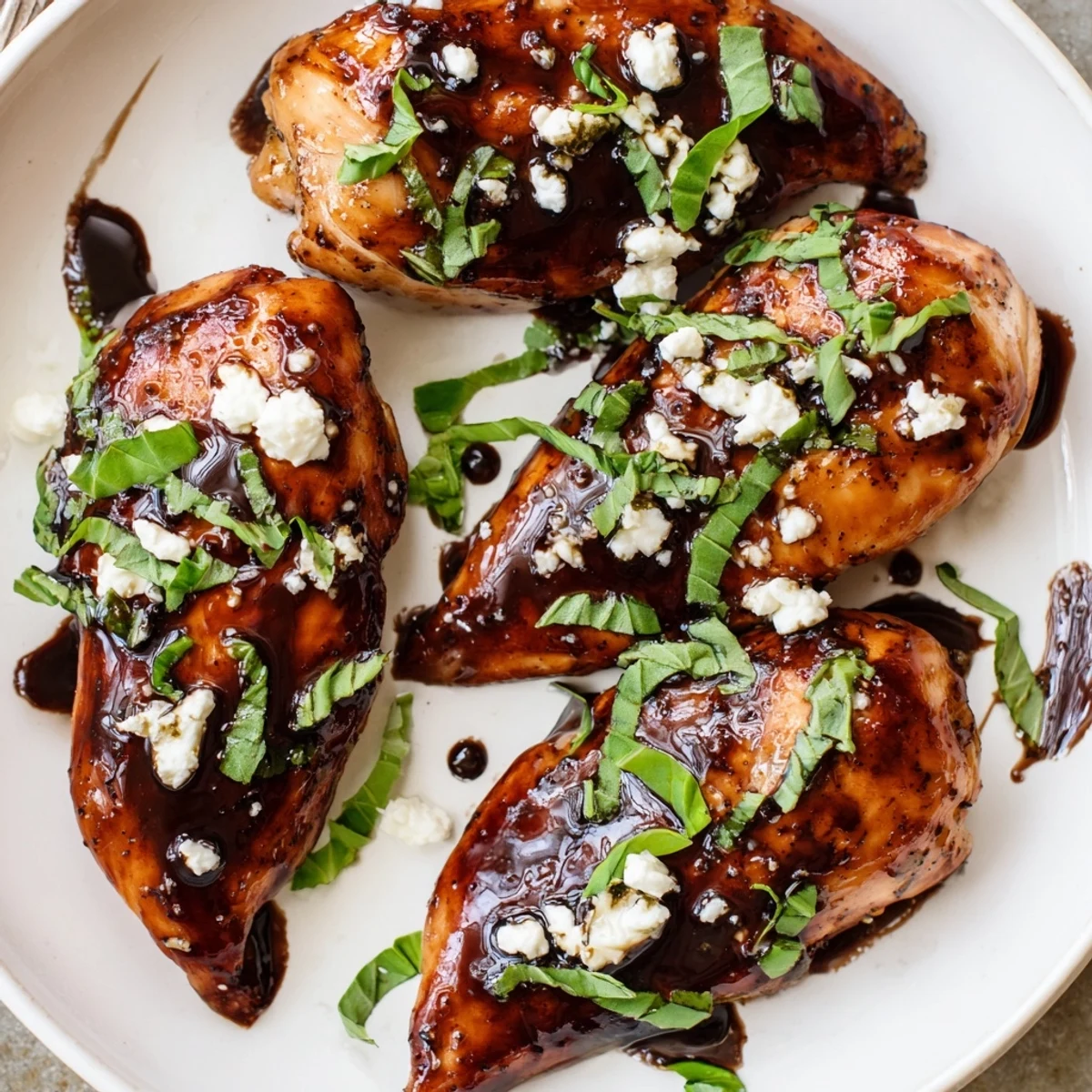
- Transfer each breast to a plate, spoon pan sauce generously over the top, and shower with fresh basil. An extra drizzle of balsamic glaze and cracked pepper on top is never a bad idea.
 Pin to board
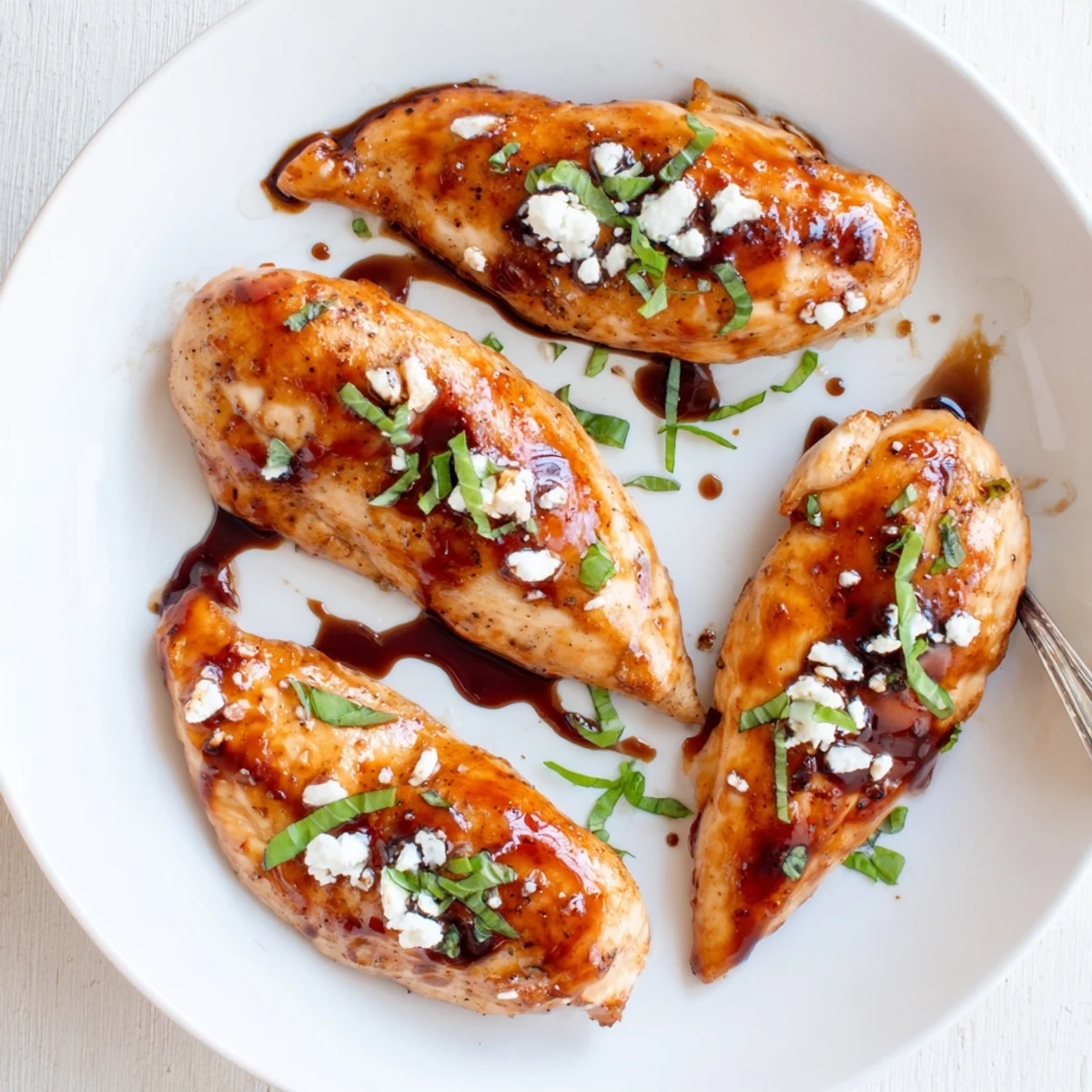
 There is something about the way goat cheese melts into the crevices of the chicken, mingling with that dark sweet sauce, that makes the plate look like a still life painting. I once caught myself photographing it from three angles before I even sat down to eat. Food that makes you pause like that is worth making again and again.
What to Serve Alongside
Roasted vegetables with a little char on them are a natural match, especially Brussels sprouts or asparagus spears that can catch some of the extra pan sauce. A simple arugula salad with lemon vinaigrette cuts through the richness beautifully. Mashed potatoes or crusty bread work if you want something comforting to soak up every last drop.
Swaps and Substitutions
Chicken thighs work just as well and arguably stay juicier, though you may need a few extra minutes in the oven. If goat cheese is not your thing, try feta for a saltier edge or a mild Brie for something creamier. Arugula or flat leaf parsley can stand in for basil when you want a slightly different green note.
Storage and Reheating
Leftovers keep well in an airtight container in the refrigerator for up to three days. Reheat gently in a covered skillet over medium low heat with a splash of water to keep the chicken from drying out.
- Avoid microwaving at full power because the goat cheese will separate and become grainy.
- The balsamic glaze actually deepens in flavor overnight, so leftovers often taste even better.
- Freezing is not recommended since the cheese texture changes significantly upon thawing.
 Pin to board
 This is the kind of recipe that reminds you dinner does not need to be complicated to feel special. Make it once and it will quietly become part of your regular rotation.
Recipe FAQs
- → Can I use chicken thighs instead of breasts?
-
Yes—bone-in or boneless thighs work well and offer more fat and flavor. Reduce oven time if using smaller pieces and check for doneness with an instant-read thermometer; thighs are safe at 165°F but may need a few extra minutes.
- → How do I make a quick balsamic reduction for finishing?
-
Simmer equal parts balsamic vinegar and a splash of honey over medium-low heat until reduced by half and syrupy, about 8–12 minutes. Cool slightly before drizzling; it concentrates sweetness and acidity for a glossy finish.
- → What can I use instead of goat cheese?
-
Soft cheeses like feta, fresh mozzarella, or ricotta salata provide a tangy or creamy finish. For a milder, creamier topping, use mascarpone or a ricotta-thinned dollop; adjust salt to taste.
- → How can I tell when the chicken is perfectly cooked?
-
Use an instant-read thermometer—165°F (74°C) in the thickest part indicates doneness. Look for clear juices and no pink near the bone; letting the meat rest briefly helps redistribute juices for a juicier result.
- → Is it better to marinate or just baste before baking?
-
Shortly coating and letting the chicken sit 10–15 minutes adds surface flavor; a longer marinade (up to a few hours) deepens tang and sweetness. If short on time, baste halfway through cooking for added glaze and moisture.
- → What side dishes complement the sweet-tangy flavors?
-
Roasted vegetables, a simple green salad, garlic mashed potatoes, or sautéed greens balance the glaze. Light grain options like cauliflower rice or quinoa also pair nicely for a gluten-free, low-carb meal.