
 Pin to board
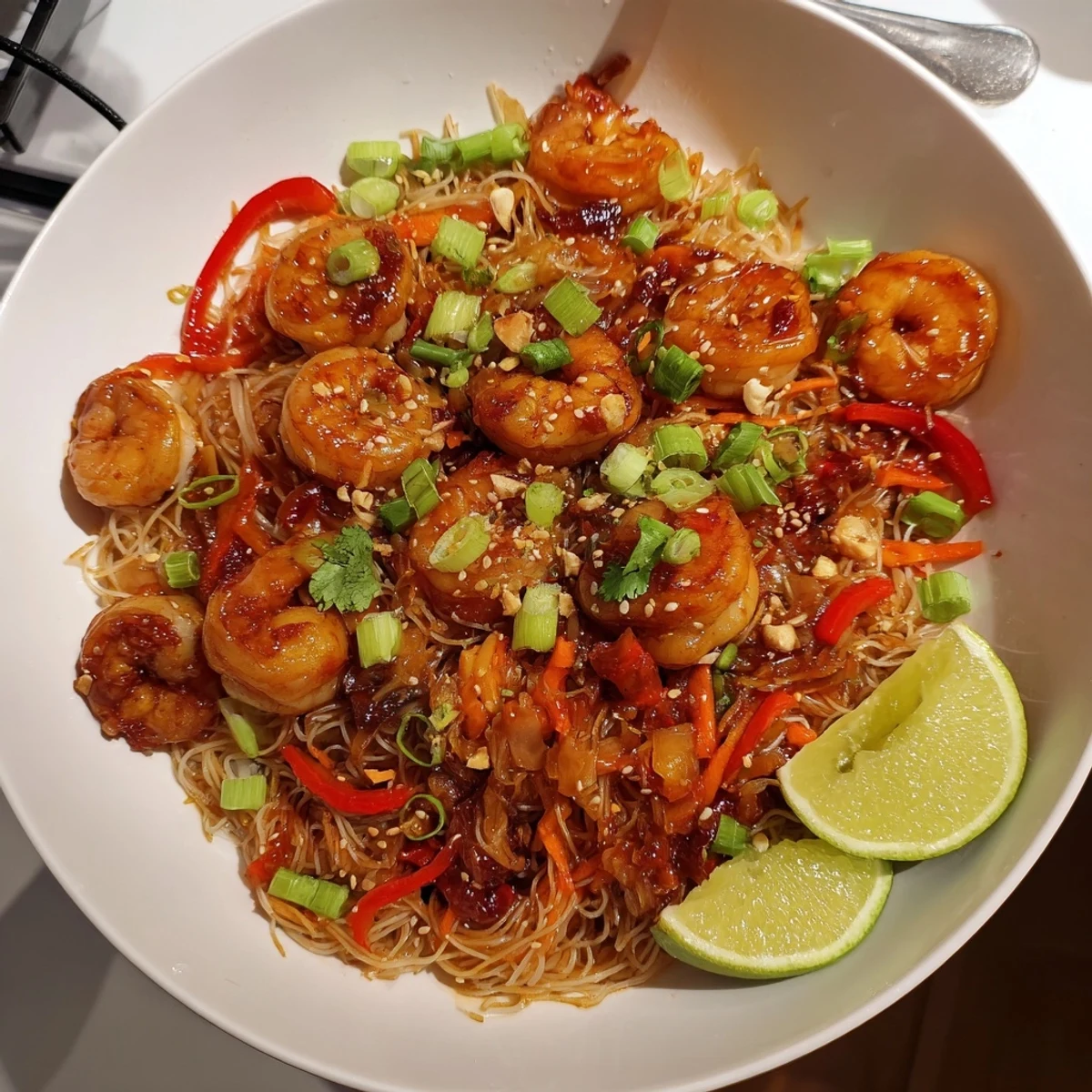
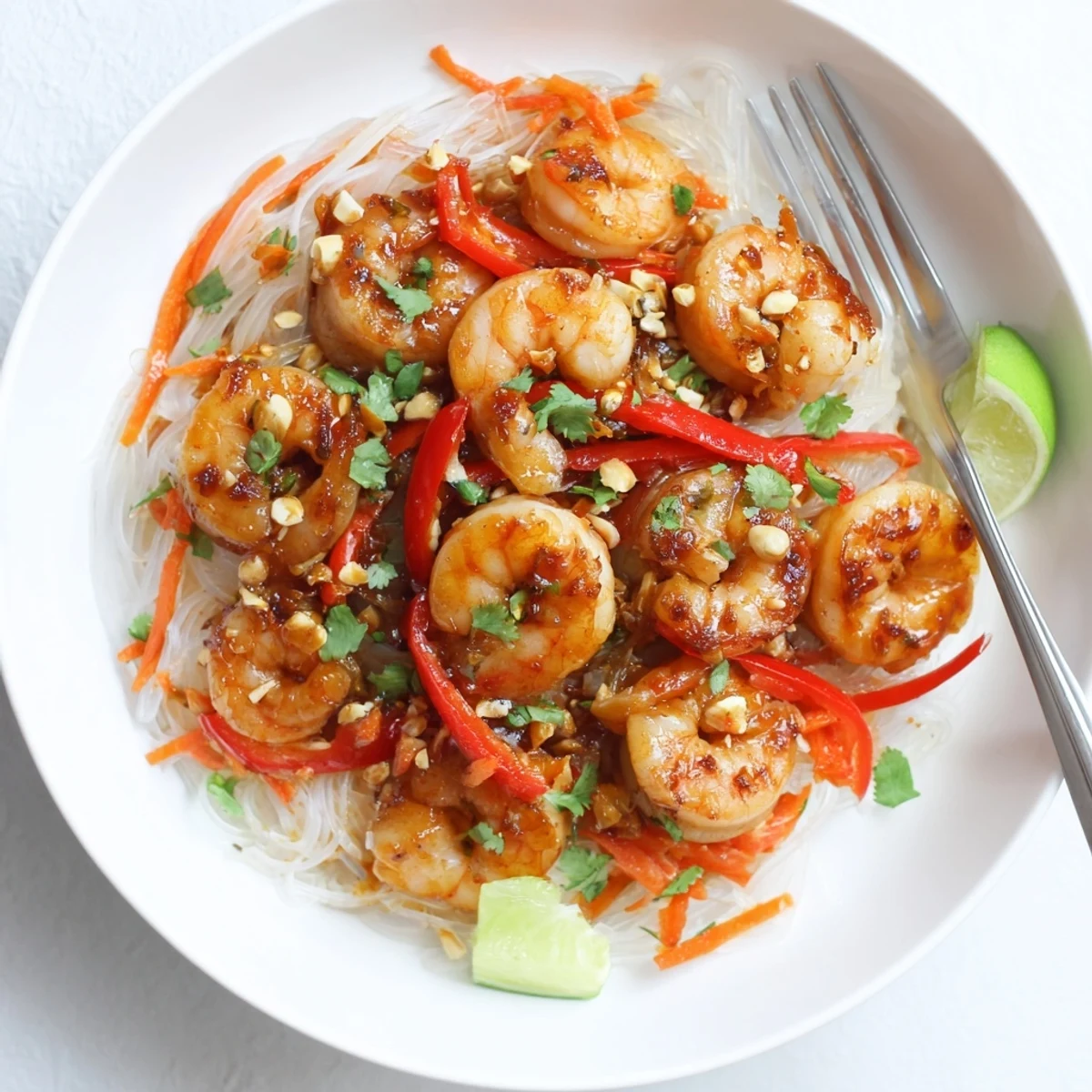
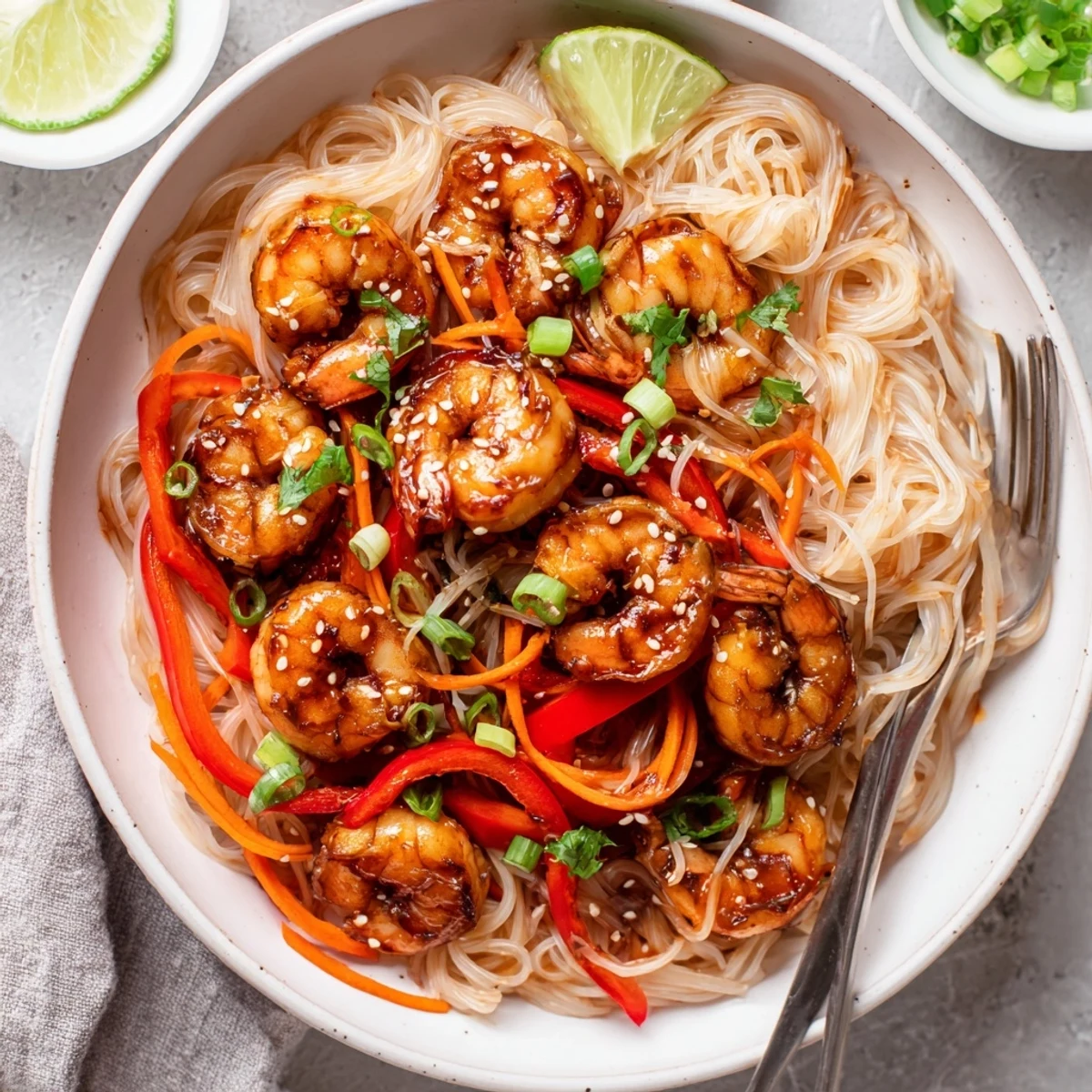
 Ready in about 30 minutes, this spicy garlic shrimp noodles dish pairs quickly seared shrimp with soft rice or egg noodles, crisp bell pepper and carrot, and a tangy-spicy sauce built from soy, oyster and fish sauce with sriracha and brown sugar. Toss in green onions and cilantro, finish with lime wedges, and adjust heat or swap protein for a simple, flavorful meal.
The sizzle of garlic hitting a hot wok on a Tuesday evening is, in my opinion, one of the greatest sounds in any kitchen. I stumbled into this spicy garlic shrimp noodle routine during a phase where I was obsessed with recreating takeout flavors without the delivery fee. The smell alone pulled my roommate out of her bedroom mid episode of something she insisted was important. Thirty minutes later we were both slurping noodles standing at the counter, too hungry to bother with plates.
I once made this for a backyard dinner when the power went out and I had to finish everything on a camp stove. The slightly smoky char from the uneven flame actually made it better, and now I secretly wish I could replicate that accidental magic every time.
Ingredients
- 500 g (1 lb) large shrimp, peeled and deveined: Fresh is ideal but frozen works beautifully if you thaw them properly under cold running water.
- 300 g (10 oz) rice noodles or egg noodles: Rice noodles soak up sauce differently than egg noodles, so choose based on whether you want softer silkiness or a chewier bite.
- 1 red bell pepper, thinly sliced: The sweetness balances the heat and the color makes everything look alive.
- 1 small carrot, julienned: Cut them thin enough that they bend slightly, which means they will cook quickly alongside the pepper.
- 2 green onions, sliced: Added at the very end so they stay bright and sharp.
- 5 cloves garlic, minced: Five sounds aggressive but this dish earns every single clove.
- 2 tbsp fresh cilantro, chopped, plus extra for garnish: If cilantro tastes like soap to you, fresh Thai basil is a worthy substitute.
- 3 tbsp soy sauce: The salty backbone of the whole sauce.
- 2 tbsp oyster sauce: This is what gives the sauce its glossy, restaurant quality coating power.
- 1 tbsp fish sauce: It smells pungent straight from the bottle but melts into the dish and adds depth you cannot fake.
- 1 and a half tbsp sriracha: Adjust up or down depending on your tolerance and who is eating.
- 1 tbsp brown sugar: Just enough to round off the sharp edges of the chili and fish sauce.
- 1 tsp sesame oil: A little goes a long way and it finishes the sauce with a toasty aroma.
- 2 tbsp vegetable oil: Used for cooking since it handles high heat without burning.
- 1 lime, cut into wedges: A generous squeeze over each bowl wakes up every flavor at once.
Instructions
- Get the noodles going:
- Cook them according to the package directions, drain, and give them a quick rinse so they do not turn into a stubborn clump while you handle everything else.
- Build the sauce:
- Whisk together the soy sauce, oyster sauce, fish sauce, sriracha, brown sugar, and sesame oil in a small bowl until the sugar dissolves and everything looks like one cohesive dark amber liquid.
- Wake up the garlic:
- Heat the vegetable oil in a large skillet or wok over medium high heat and toss in the minced garlic, stirring constantly for about thirty seconds until your kitchen smells incredible but nothing has browned.
- Sear the shrimp:
- Spread the shrimp in a single layer and let them cook undisturbed for a minute before flipping, then cook another minute or two until they curl into bright pink crescents and look opaque throughout.
- Toss the vegetables:
- Remove the shrimp to a plate and drop the bell pepper and carrot into the same pan, stir frying for about two minutes so they soften slightly but still have a satisfying snap.
- Bring it all together:
- Slide the noodles and shrimp back into the pan, pour the sauce over everything, and toss with tongs until every strand is coated and glistening, which takes roughly two minutes of enthusiastic stirring.
- Finish and serve:
- Kill the heat, scatter in the green onions and cilantro, toss once more, then divide among bowls with lime wedges and an extra sprig of cilantro on top.
 Pin to board
 There is something about the way a bowl of these noodles gathers people around without anyone asking them to come over. The first time I set this down at a potluck, three people asked for the recipe before they even finished chewing.
Making It Your Own
The beauty of a noodle stir fry is how forgiving it is once you understand the basic rhythm of sauce, protein, and vegetables. Swap the shrimp for sliced chicken thigh, crumbled firm tofu, or even thin strips of pork belly if you want to go richer. The sauce formula stays the same and reliably coats whatever you throw at it.
What to Serve Alongside
A cold cucumber salad with rice vinegar and a pinch of sugar cuts through the richness perfectly. If you want something warm, a simple miso soup rounds out the meal without competing for attention. On hot nights, icy green tea or a crisp lager alongside makes everything taste better.
Storing and Reheating
Leftovers keep well in an airtight container in the refrigerator for up to two days, though the noodles soften slightly overnight which some people actually prefer. Reheat in a skillet with a splash of water rather than the microwave if you want to bring back some of that original texture.
- Add a tablespoon of water to the pan when reheating so nothing sticks or dries out.
- Taste before adding extra sriracha because the spice intensifies as it sits.
- The shrimp will not reheat as beautifully as the noodles, so eat those first if you can.
 Pin to board
 Keep a bowl of these noodles in your back pocket for nights when you want maximum flavor with minimal fuss. They have never once let me down.
Recipe FAQs
- → Can I use different noodles?
-
Yes. Rice noodles give a lighter texture while egg noodles add chew; cook according to package directions and rinse briefly to stop cooking before tossing with the sauce.
- → How do I prevent shrimp from overcooking?
-
Pat shrimp dry, cook over medium-high heat in a hot pan for 2–3 minutes until pink and just opaque, then remove from the pan and return only to finish with the sauce.
- → How can I control the spice level?
-
Adjust the sriracha to taste or add sliced fresh chilies for more heat. For milder flavor, halve the sriracha and add a touch more brown sugar to balance the sauce.
- → What substitutions work for the sauces?
-
Use tamari for a gluten-free soy alternative and omit oyster sauce for a pescatarian-friendly version, increasing fish sauce slightly or adding a splash of mushroom umami sauce.
- → Can I prepare components ahead of time?
-
Yes. Mix the sauce and chop vegetables in advance. Cook noodles and shrimp just before serving for best texture; reheat gently in a hot pan with a splash of oil or water.
- → Any tips for serving and garnishes?
-
Finish with chopped cilantro and green onions, serve lime wedges on the side, and offer chili flakes or sliced fresh chiles so diners can customize heat.