
 Pin to board
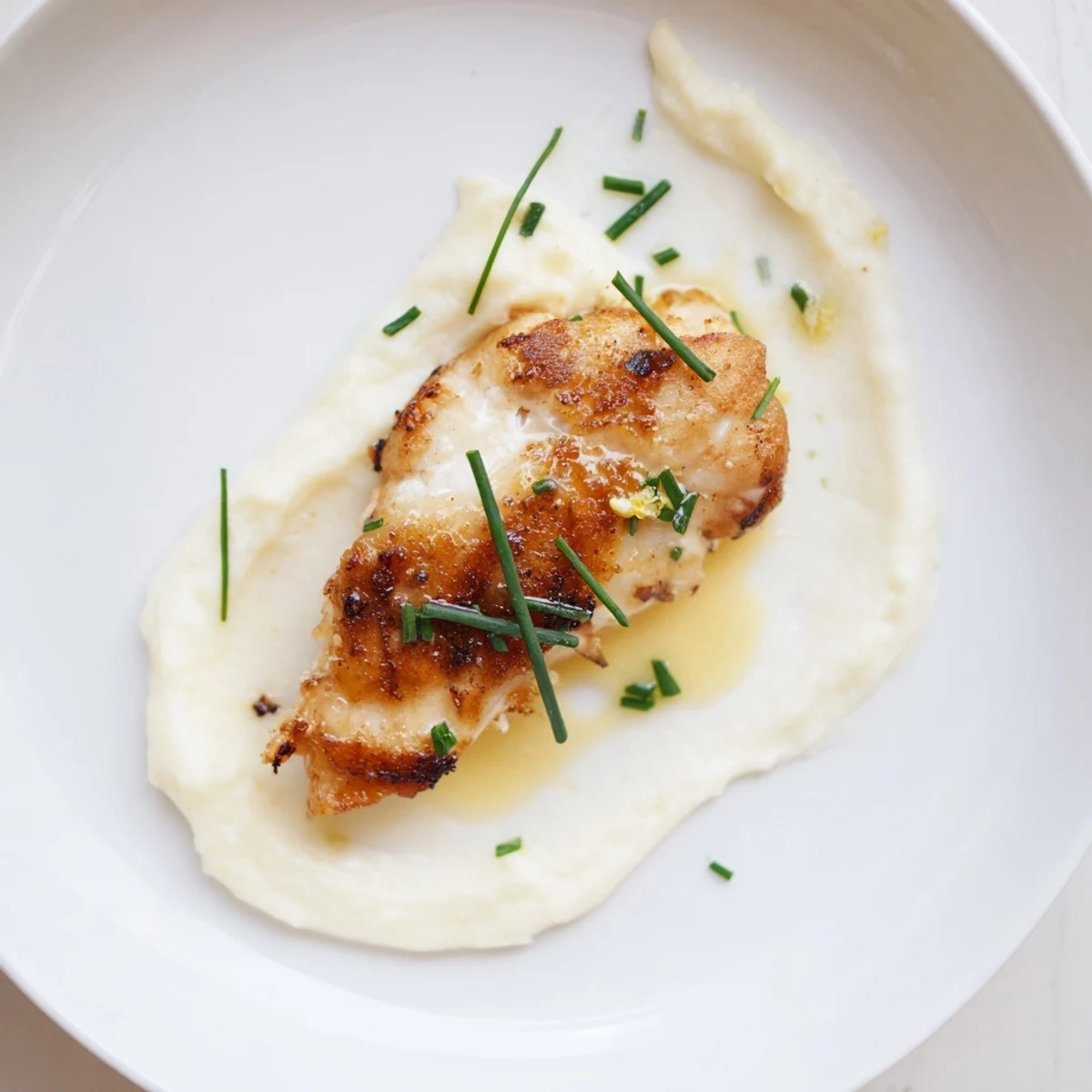
 Pan-sear halibut fillets in olive oil until golden and just cooked through. Meanwhile simmer parsnips, potato and garlic in milk, purée with butter to a silky consistency. Reduce white wine with orange and lemon juices and shallot, then whisk in cold butter to form a glossy citrus butter sauce. Spoon puree, top with fish, drizzle sauce and garnish with chives. Serve immediately; use cod or sea bass if needed.
The first time I made halibut this way, I was running late for a dinner party and my hands were shaking when I plated it. My friend took one bite and went completely silent, then looked at me with wide eyes and asked what restaurant I had ordered from. That moment of watching someone genuinely surprised by something I created in my own kitchen stuck with me.
I served this on a rainy Tuesday night when we needed something to make the week feel special, and my partner actually put down their phone to eat. Thats when I knew this recipe wasnt just for dinner parties anymore.
Ingredients
- Halibut fillets: This fish is expensive and worth every penny because it holds together beautifully while searing and stays impossibly tender inside
- Parsnips and potato: The potato adds starch for body while parsnips bring that signature sweetness that makes people ask whats different
- Whole milk: I tried cream once and it was too heavy, whole milk gives you that luxurious texture without weighing everything down
- Cold butter cubes: This is non-negotiable, room temperature butter will make your sauce separate and nobody wants that disappointment
- Citrus juices: Fresh squeezed matters here, bottled juice lacks that bright acidity that cuts through the richness
Instructions
- Cook the root vegetables until they surrender:
- Simmer the parsnips, potato, garlic, and milk until a fork slides through with zero resistance, usually about 15 to 18 minutes. You want them completely tender because no one wants lumpy puree.
- Transform vegetables into velvet:
- Drain but save some of that milk, then blend everything with butter until its silkier than anything you have ever made. Adjust with the reserved milk until it flows like a gentle stream.
- Build the sauce foundation:
- Simmer wine, both juices, and shallot until only about 3 tablespoons remain, concentrating all those bright flavors. This reduction becomes the backbone of your sauce.
- Emulsify like a pro:
- Whisk in those cold butter cubes off the heat, letting each one melt completely before adding the next. Strain out the shallots and stir in the lemon zest, keeping it warm but never boiling.
- Get that golden crust:
- Pat the fish completely dry and season generously, then sear in hot oil for 3 to 4 minutes per side. Listen for that sizzle and watch for the golden brown color that tells you its working.
- Bring it all together:
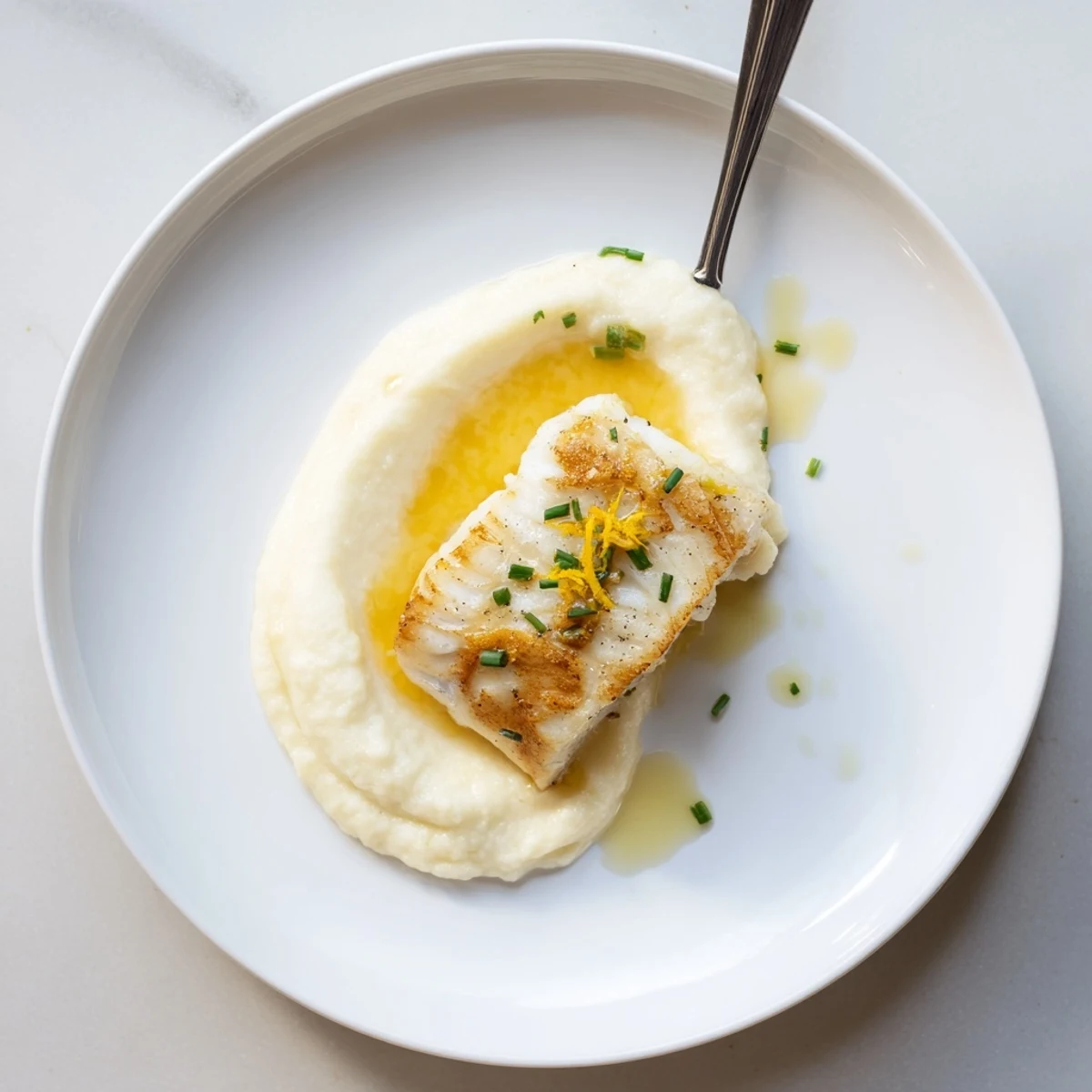
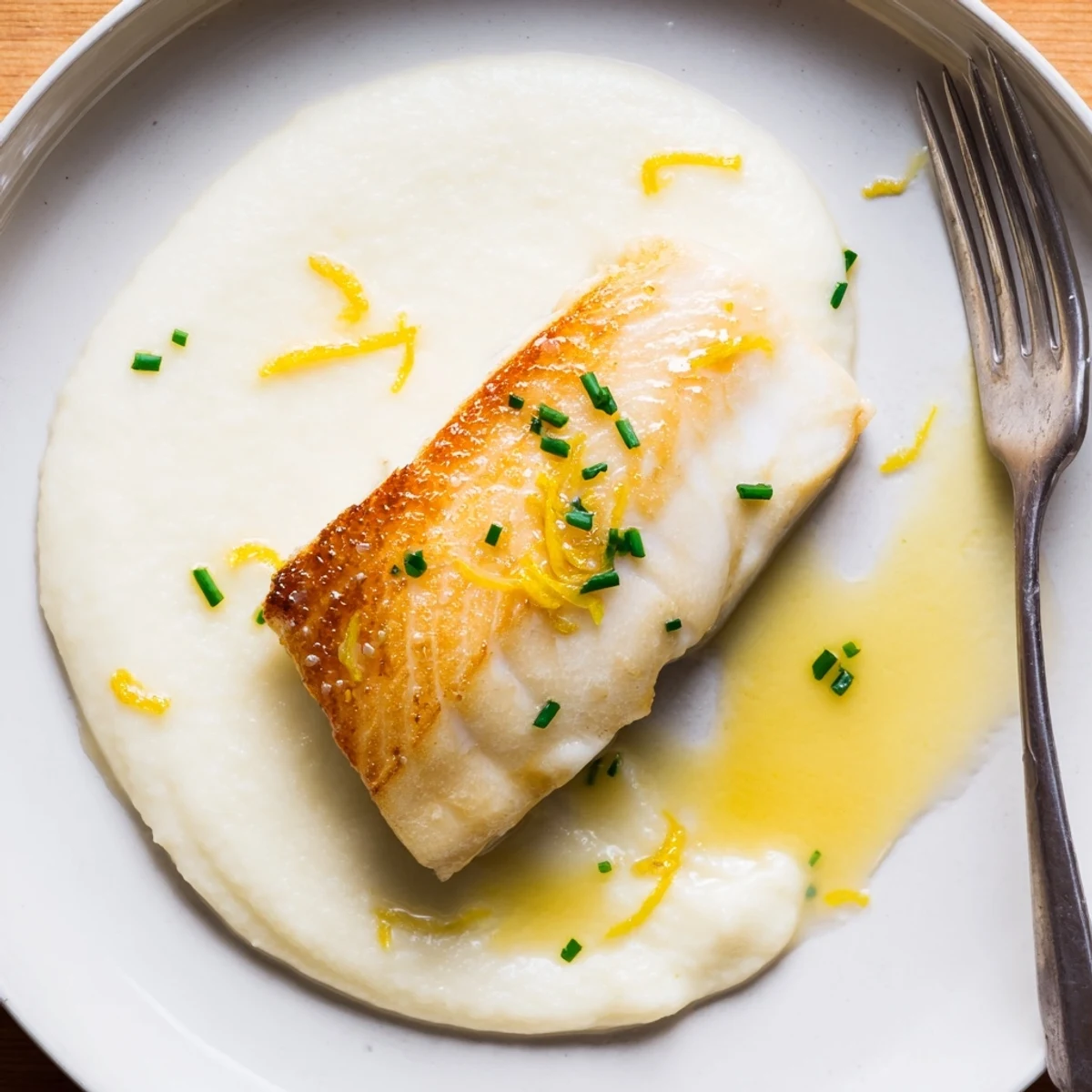
- Swoop the puree onto plates first, perch the halibut on top like its meant to be there, then drizzle that citrus butter sauce like you are painting something precious. Finish with chives and serve while everything is still warm.
 Pin to board
 This became our anniversary tradition because the first time I made it, we ended up eating at the kitchen counter instead of the table, talking until midnight. Sometimes the best meals are the ones that never make it to the dining room.
Making It Yours
Cod or sea bass work beautifully if halibut feels like too much of an investment, and honestly, they are delicious in their own right. The cooking time stays the same, so you do not need to rethink the whole process.
Wine Pairing Magic
A chilled Sauvignon Blanc cuts through the butter while echoing the citrus notes in the sauce. If you prefer something softer, a lightly oaked Chardonnay brings out the natural sweetness of the parsnips in the most lovely way.
Timing Is Everything
Start the puree first because it holds heat beautifully and actually gets better as it sits. The sauce should be your last-minute project since it needs to be served warm but not hot, and fish waits for no one.
- Have all your ingredients measured and the butter cubed before you turn on any heat
- Warm your plates if possible because this dish cools faster than you expect
- Everything should hit the table within 5 minutes of the fish leaving the pan
 Pin to board
 Some recipes are just recipes, but this one has become the meal I make when I want to show someone I care without ever saying a word.
Recipe FAQs
- → How can I tell when the halibut is properly cooked?
-
Cook fillets until the exterior is golden and the flesh is opaque and flakes easily with a fork. For precision, aim for an internal temperature around 56–60°C (133–140°F); carryover heat will finish the center without drying the fish.
- → How do I achieve a silky parsnip purée?
-
Simmer parsnips, potato and garlic until very tender, then blend hot with butter and reserved milk until completely smooth. Pass through a fine sieve if needed and adjust thickness with warm milk for a velvety texture.
- → What’s the best way to make the citrus butter sauce glossy and stable?
-
Reduce the wine and citrus with shallot to concentrate flavor, then lower the heat and whisk in cold butter gradually, off the boil, to emulsify. Strain to remove solids and keep the sauce warm without boiling to prevent separation.
- → Can I swap the halibut for another fish?
-
Yes—choose firm, white-fleshed fish such as cod or sea bass. Adjust searing time to thickness so the fillets are golden and just cooked through to preserve moisture.
- → How far ahead can components be prepared and how should they be stored?
-
Purée and sauce can be made a day ahead and chilled separately. Rewarm the purée gently with a splash of milk, and re-emulsify the sauce over low heat while whisking. Cook the fish just before serving for best texture.
- → What wine pairs best with this dish?
-
Choose a crisp white like Sauvignon Blanc or a lightly oaked Chardonnay to complement the citrus butter and the richness of the parsnip purée without overpowering the fish.