
 Pin to board
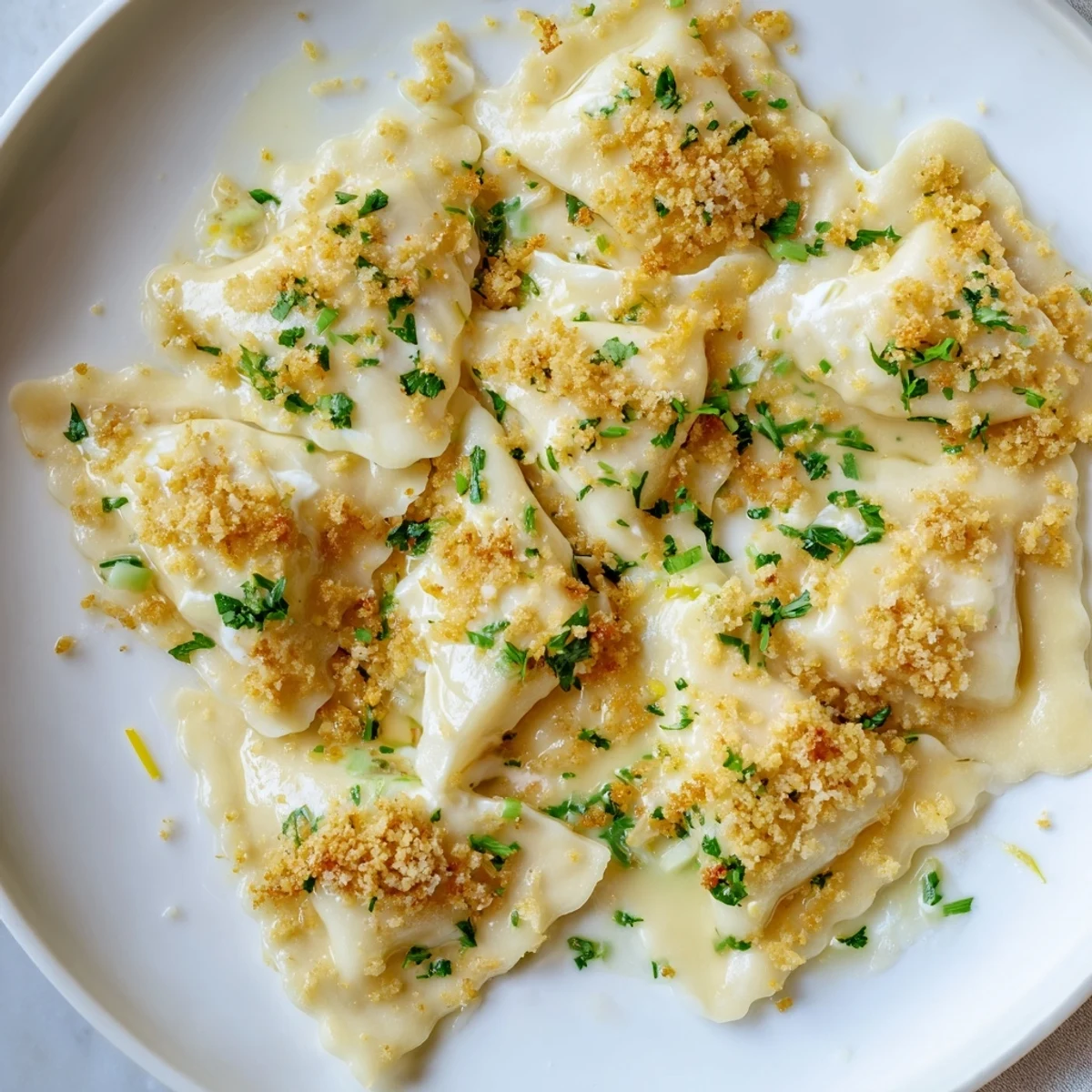
 These handmade triangoli are delicate pasta triangles filled with a luscious combination of creamy burrata and sweet, gently sautéed leeks brightened with a hint of lemon zest.
The pasta is cooked until perfectly al dente, then tossed in a silky lemon butter sauce that coats each piece beautifully.
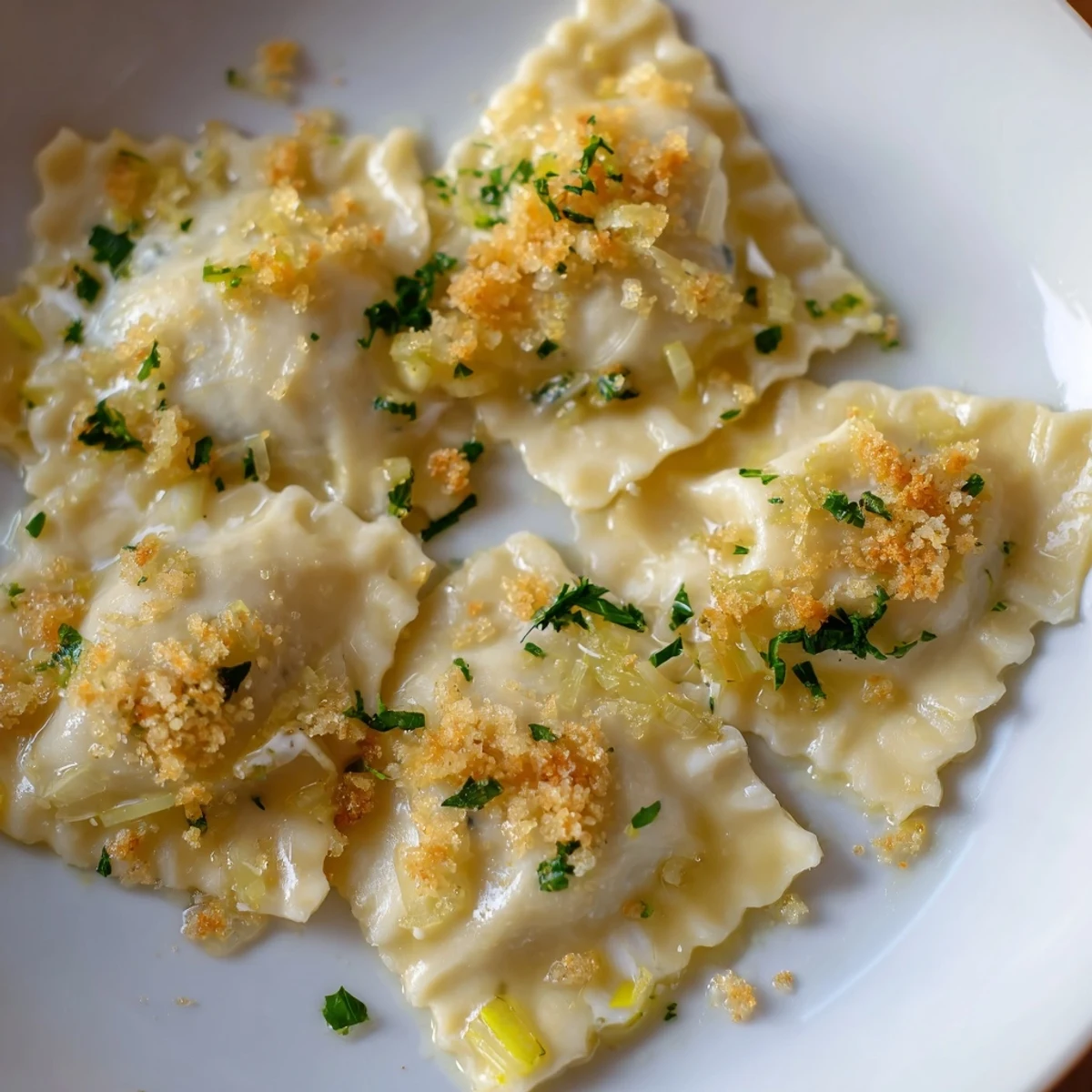
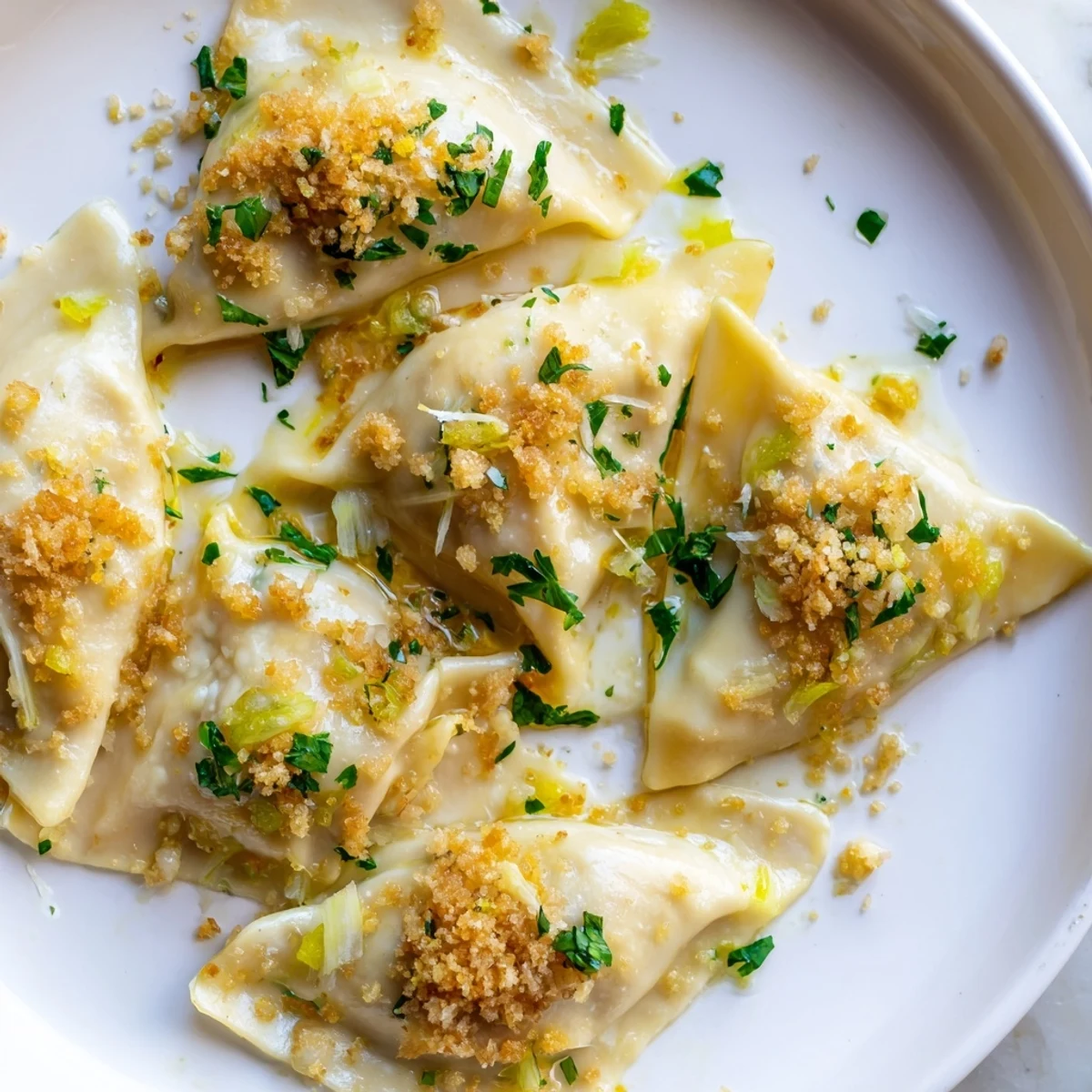
A generous topping of toasted sourdough breadcrumbs infused with lemon zest and fresh parsley adds an irresistible crunch, making every bite a wonderful contrast of creamy, tender, and crispy textures.
My kitchen still smells like browned butter and lemon every time I think about this recipe, which is really saying something because I first threw these triangoli together on a rainy Tuesday when the fridge held nothing but half a leek and a ball of burrata I had bought on impulse. What started as a desperate attempt to avoid ordering takeout turned into one of those meals where you sit back and think okay, this is why I cook. The crunch of those sourdough breadcrumbs against the creamy filling is the kind of contrast that makes you close your eyes at the table.
I served these to my neighbor Clara after she helped me rescue a sinking garden bed, and she stood in my kitchen eating straight from the skillet without even sitting down. That unplanned half standing meal somehow felt more special than any dinner party I have ever hosted.
Ingredients
- 00 flour (250 g plus extra for dusting): This fine Italian flour creates a silkier dough than all purpose, and I learned that lesson after one very chewy early attempt.
- 2 large eggs: Fresh eggs give the dough its golden hue and pliable structure.
- 1 tbsp olive oil: Just a touch keeps the dough from drying out while you work.
- Pinch of salt: Do not skip this tiny detail because it wakes up the flour.
- 2 medium leeks (white and light green parts only): Clean them thoroughly because grit hiding between the layers has ruined more than one filling for me.
- 200 g burrata cheese (well drained): Drain it on paper towels for at least fifteen minutes or your filling will weep through the pasta.
- 2 tbsp unsalted butter (for leeks): Cooking the leeks slowly in butter coaxes out a sweetness that olive oil simply cannot match.
- Salt and freshly ground black pepper: Season the filling more boldly than you think it needs because the pasta will mellow everything.
- Zest of half a lemon (for filling): This brightens the burrata without making it watery like juice would.
- 50 g fresh sourdough breadcrumbs: Tear sourdough into crumbs rather than pulsing in a food processor for a more rustic crunch.
- 2 tbsp unsalted butter (for breadcrumbs): This is where the golden magic happens in the skillet.
- Zest of 1 lemon (for breadcrumbs): Rub the zest into the crumbs with your fingers to release the oils.
- 1 tbsp finely chopped fresh parsley: Added at the very end so it stays vibrant and green.
- 60 g unsalted butter (for sauce): Let it brown slightly for a nutty depth beneath the lemon.
- Juice and zest of half a lemon (for sauce): Fresh only, because bottled juice tastes flat against good butter.
- Freshly cracked black pepper (for sauce): Be generous here because pepper and lemon are best friends.
Instructions
- Build the dough:
- Mound the flour on your counter, create a crater in the center, and crack the eggs right in along with the olive oil and salt. Use a fork to slowly pull in flour from the walls, then get your hands in there and knead with your whole body weight for about eight to ten minutes until the ball feels smooth and bouncy under your palm.
- Let it rest:
- Wrap the dough tightly in plastic and walk away for thirty minutes while the gluten relaxes. I usually use this window to clean the flour explosion off my counter and start on the filling.
- Soften the leeks:
- Melt two tablespoons of butter in a pan over medium heat, add the chopped leeks, and stir occasionally for six to eight minutes until they collapse into sweet, silky ribbons without taking on any color.
- Mix the filling:
- Let the leeks cool completely, then fold them gently into the drained burrata with lemon zest, salt, and pepper. Treat the mixture tenderly because you want pockets of creamy cheese, not a uniform paste.
- Roll and shape:
- Divide the rested dough in half, roll each portion paper thin using a machine or a determined arm with a rolling pin, and cut into eight centimeter squares. Drop a teaspoon of filling into the center of each square, fold corner to corner into a triangle, and press the edges firmly to seal.
- Toast the breadcrumbs:
- In a dryish skillet, melt two tablespoons of butter, add the sourdough crumbs, and stir constantly until they turn golden and smell like a bakery at dawn. Kill the heat, then toss in the lemon zest, parsley, and salt.
- Cook and sauce the pasta:
- Slide the triangoli into a gentle boil of salted water and cook for three to four minutes until they bob at the surface. Meanwhile melt the remaining butter in a large skillet, add the lemon juice and zest with a generous amount of pepper, then transfer the pasta straight from the water into the bubbling sauce and toss gently to coat every triangle.
 Pin to board
 The night I finally nailed the crumb texture on these triangoli, my partner walked in and said it smelled like someone actually knows what they are doing in here, which from him is practically a standing ovation.
Getting the Dough Thickness Right
Rolling pasta by hand takes patience and a long rolling pin, but a machine gives you more consistent sheets. I aim for a thickness where I can almost see the shadow of my fingers through the dough, which is about the second thinnest setting on most machines. Anything thicker and the triangles feel clunky, anything thinner and they tear when you fill them.
Working With Burrata
Burrata is temperamental because its outer shell is firmer than its creamy center, so breaking it apart too aggressively makes the filling soupy. I drain it well, then use a spoon to gently combine it with the cooled leeks, accepting that some small chunks remain intact. Those little pockets of pure burrata inside the cooked pasta are the best bites of the entire dish.
Serving and Pairing Thoughts
These triangoli demand to be eaten immediately while the breadcrumbs are still crunchy and the sauce is glistening. A glass of chilled Pinot Grigio sitting next to the plate turns a random weeknight into something that feels deliberately special.
- If you want heat, toss chili flakes into the breadcrumbs at the last second.
- Ricotta works if burrata is unavailable, but strain it overnight in the fridge first.
- Leftover uncooked triangoli freeze beautifully on a tray before being transferred to a bag.
 Pin to board
 There is something deeply satisfying about eating pasta you shaped with your own hands, filled with cheese you chose, and finished with crumbs you toasted while the rain hit the window. Keep making a mess and trust the process.
Recipe FAQs
- → Can I make the pasta dough ahead of time?
-
Yes, you can prepare the pasta dough up to 24 hours in advance. Wrap it tightly in plastic wrap and refrigerate. Let it come to room temperature for about 15 minutes before rolling out for the best results.
- → What can I substitute for burrata in the filling?
-
Well-drained ricotta is the best substitute for burrata. Strain it in a cheesecloth for a few hours to remove excess moisture. You could also use a mix of ricotta and mascarpone for added creaminess.
- → How do I prevent the triangoli from opening while cooking?
-
Make sure to press the edges firmly when sealing, using a tiny bit of water as glue. Avoid overfilling — stick to about 1 teaspoon of filling per square. Also, ensure your pasta dough is rolled thin enough to seal properly without thick edges.
- → Can I freeze uncooked triangoli?
-
Absolutely. Arrange the uncooked triangoli in a single layer on a floured baking sheet and freeze until solid, about 1 hour. Then transfer to an airtight container or freezer bag. They can be stored for up to 2 months. Cook directly from frozen, adding 1–2 minutes to the cooking time.
- → What wine pairs well with this dish?
-
A chilled Pinot Grigio complements the creamy burrata and bright lemon butter beautifully. Other great options include Vermentino, Soave, or a light unoaked Chardonnay. The citrus notes in the sauce pair wonderfully with crisp, acidic white wines.
- → Do I need a pasta machine to roll the dough?
-
A pasta machine makes the job easier and ensures even thickness, but you can use a rolling pin. Roll the dough on a well-floured surface, working from the center outward, rotating frequently until it's about 1 mm thick and translucent enough to see your hand through it.