
 Pin to board
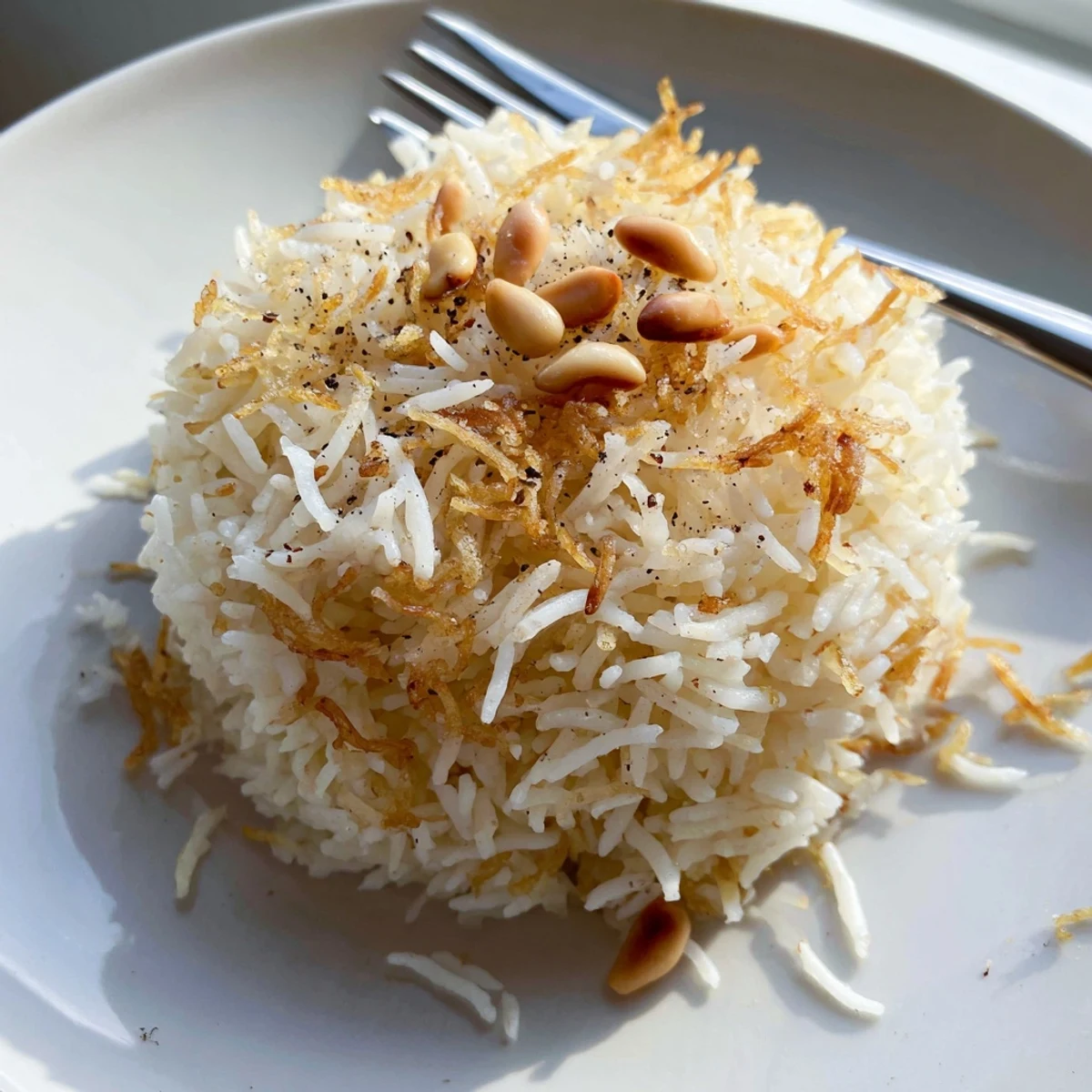
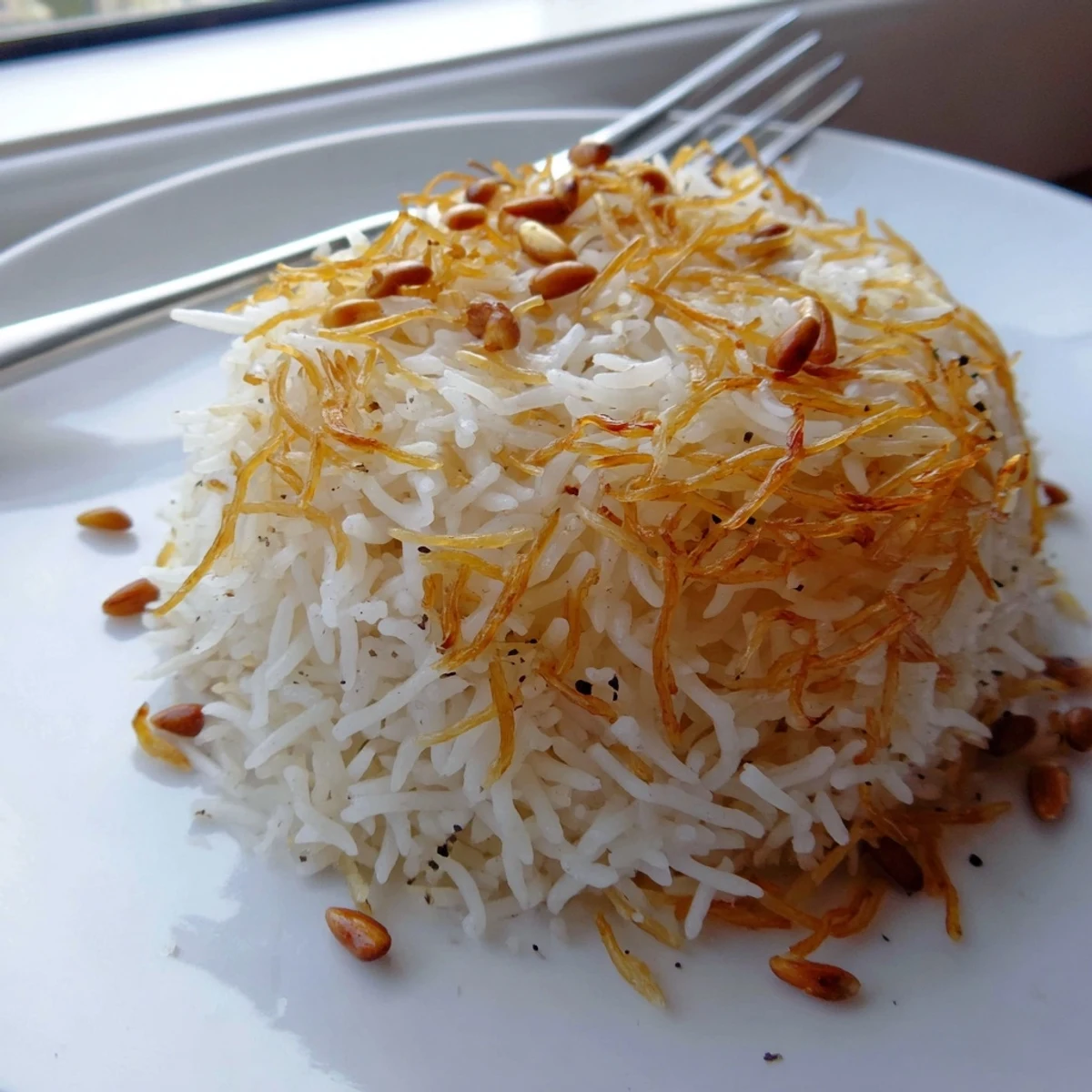
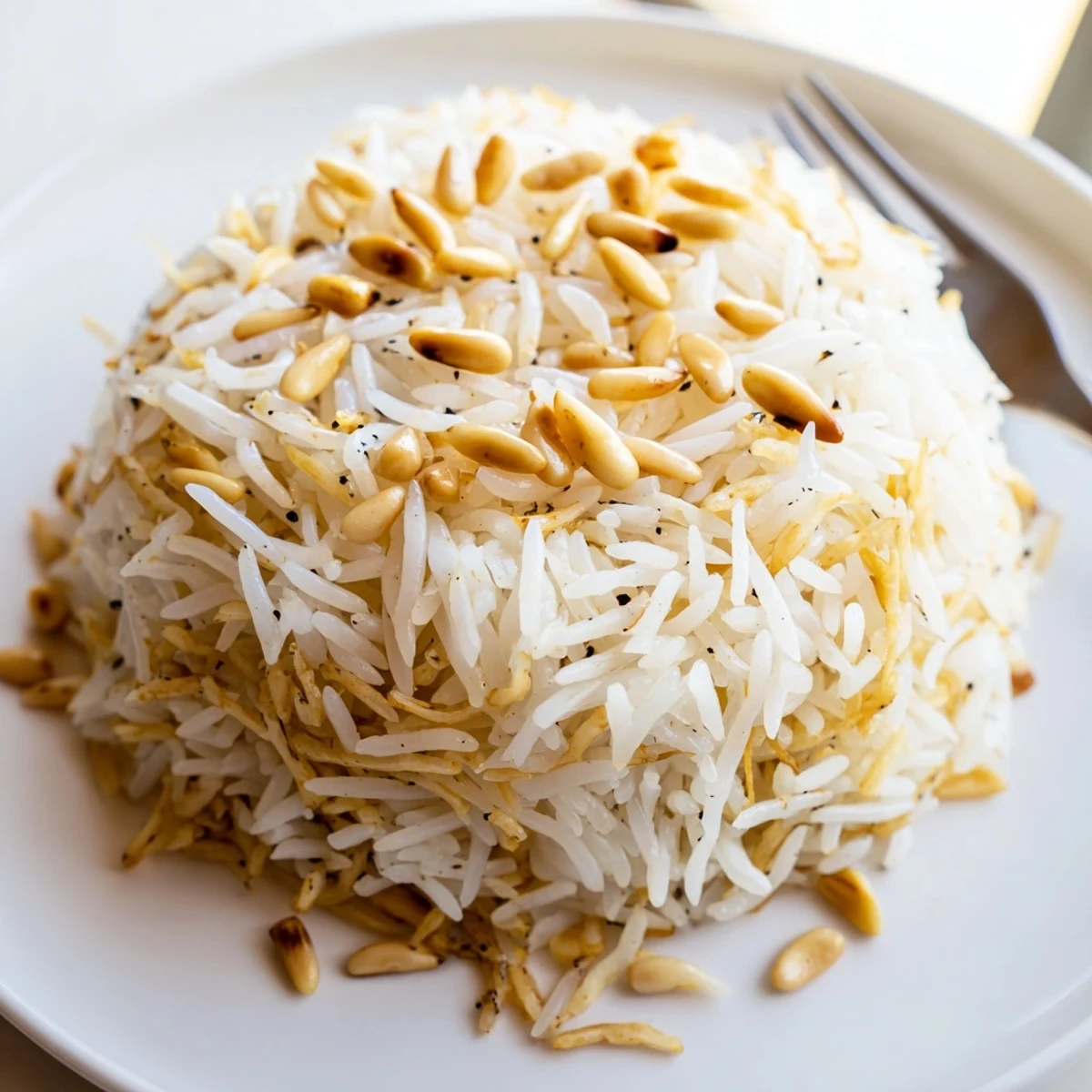
 Lebanese rice is a fragrant, fluffy side dish built on long-grain white rice toasted alongside golden vermicelli noodles in butter or olive oil.
The technique involves rinsing the rice, toasting the pasta until deeply golden, then simmering everything together until perfectly tender.
Finished with a gentle fluff and garnished with sautéed pine nuts, it pairs beautifully with grilled meats, stews, and vegetable dishes across Middle Eastern cuisine.
The smell of butter hitting a hot pan and vermicelli turning that deep amber color is one of those kitchen scents that instantly pulls me back to Sunday dinners at my aunts apartment in Brooklyn. She never measured anything, just tossed and stirred with this quiet confidence that made it look effortless. Lebanese rice is deceptively simple, but getting those noodles perfectly golden without crossing into bitter territory takes a bit of nerve and a lot of attention.
One evening I was rushing to get dinner on the table and turned my back on the vermicelli for maybe thirty seconds too long, ending up with a smoky kitchen and a very disappointed partner who had been looking forward to rice with his lamb stew.
Ingredients
- Long-grain white rice (1 cup, rinsed): Basmati is my go-to because the grains stay separate and fluffy, but jasmine works too if that is what you have.
- Vermicelli noodles (1/3 cup, broken into 1-inch pieces): These little golden strands are the heart of this dish and give it that signature toasty flavor.
- Unsalted butter or olive oil (2 tablespoons): Butter gives a richer taste while olive oil keeps it vegan and dairy-free.
- Water or vegetable broth (2 cups): Broth adds another layer of flavor, but plain water lets the toasted noodles shine.
- Pine nuts (2 tablespoons, optional): A scatter of these on top makes the dish feel finished and special.
- Salt (1 teaspoon) and black pepper (1/4 teaspoon): Simple seasoning that ties everything together without overpowering.
Instructions
- Wash the rice:
- Rinse the rice under cold running water, swirling it with your hand, until the water runs completely clear, then drain it well.
- Toast the pine nuts:
- Melt the butter or heat the olive oil in a medium saucepan over medium heat, add the pine nuts, and stir until they turn a warm golden color before transferring them to a small plate.
- Brown the vermicelli:
- Add the broken vermicelli to the same pan and stir constantly for three to four minutes until they reach a deep golden brown, keeping a close eye because they shift from perfect to burnt in seconds.
- Coat the rice:
- Stir the drained rice into the toasted vermicelli so every grain gets glossed with the butter or oil.
- Add liquid and season:
- Pour in the water or broth, add salt and pepper, and bring everything to a gentle boil.
- Cover and simmer:
- Turn the heat to low, clamp on a tight-fitting lid, and let it cook undisturbed for fifteen minutes.
- Rest and fluff:
- Take the pot off the heat and let it sit covered for five minutes, then gently fluff with a fork.
- Finish and serve:
- Spoon the rice into a serving dish and scatter the reserved toasted pine nuts over the top.
 Pin to board
 Serving this rice alongside a slow-cooked stew on a cold evening turns an ordinary meal into something that feels gathered and intentional, the way food was meant to be shared.
Making It Your Own
You can swap pine nuts for slivered almonds or even crispy fried onions if pine nuts are hard to find or too pricey at your store.
Serving Suggestions
This rice is a natural companion to grilled meats, roasted vegetables, or any rich saucy dish that needs something fluffy to soak up all the good juices.
Storing and Reheating
Leftovers keep well in an airtight container in the fridge for up to three days and reheat with a splash of water in the microwave or on the stove.
- Day-old Lebanese rice makes an incredible quick fried rice with a beaten egg and some chopped herbs.
- Freeze individual portions in sealed bags for up to one month for easy weeknight sides.
- Always fluff gently after reheating to bring back that light texture.
 Pin to board
 Once you master this technique, plain white rice will never feel quite satisfying enough again. Keep it in your back pocket and it will serve you well for years.
Recipe FAQs
- → What type of rice works best for Lebanese rice?
-
Long-grain white rice such as basmati or jasmine yields the fluffiest, most separated grains. Always rinse the rice under cold water until it runs clear to remove excess starch.
- → Why do you toast the vermicelli before cooking?
-
Toasting the vermicelli in butter or oil until deep golden brown develops a nutty, caramelized flavor that infuses the entire dish. It also helps the pasta hold its texture during simmering.
- → Can I make Lebanese rice vegan?
-
Yes, simply substitute olive oil for the butter. The olive oil adds its own fruity flavor and keeps the dish entirely plant-based while maintaining the same cooking method.
- → Why does the rice need to rest after cooking?
-
Resting the rice covered for 5 minutes off the heat allows the grains to finish steaming gently and firm up. This prevents mushiness and produces the signature light, fluffy texture.
- → What should I serve with Lebanese rice?
-
It pairs well with grilled lamb or chicken, slow-cooked stews, roasted vegetables, kebabs, or any Middle Eastern main course. It also works as a base for bowl-style meals.