
 Pin to board
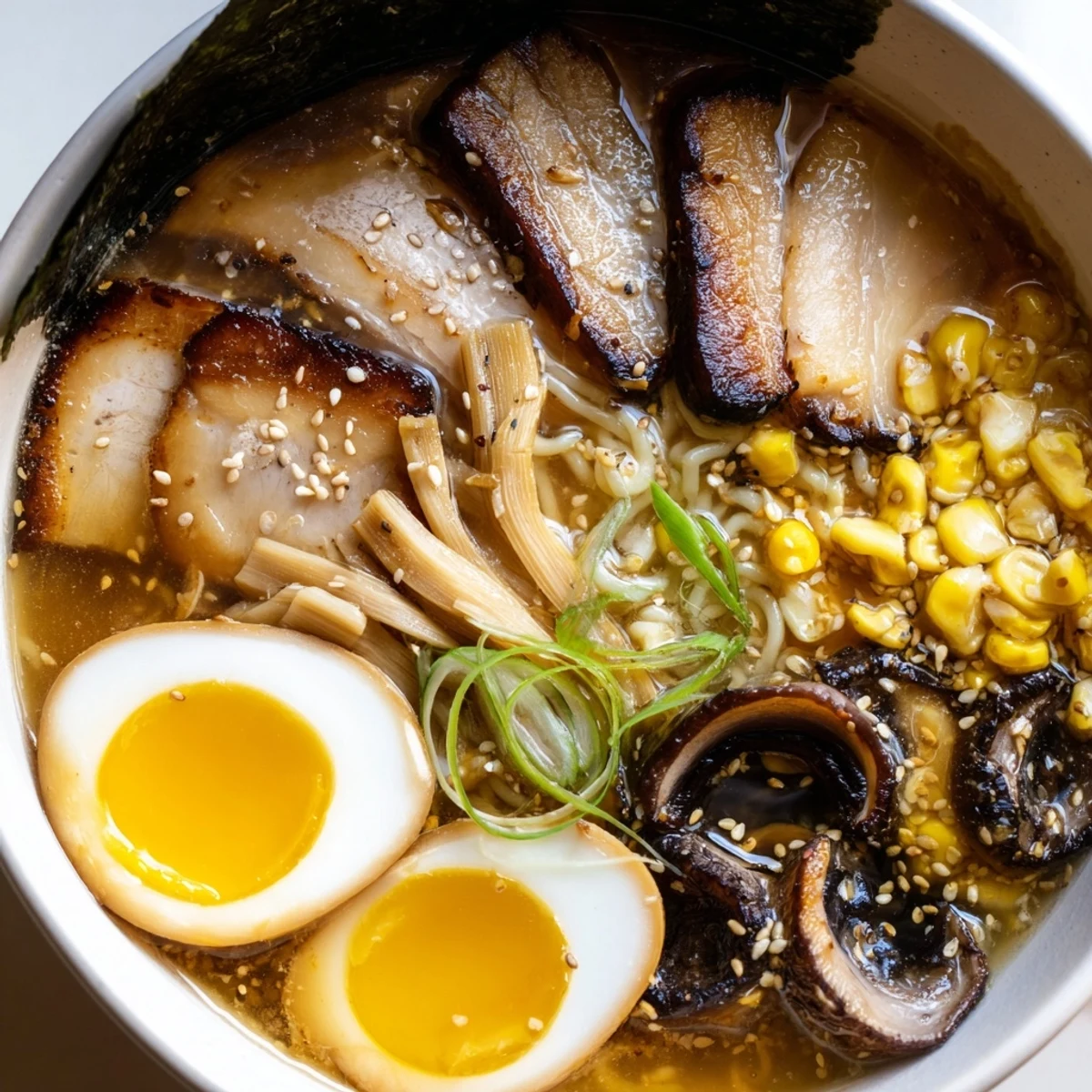
 This Japanese ramen brings together a deeply flavorful miso-infused broth with tender fresh noodles and an array of satisfying toppings. The broth is built on a base of chicken or pork stock, enriched with soy sauce, miso paste, and aromatic ginger and garlic, then simmered to develop layers of umami richness.
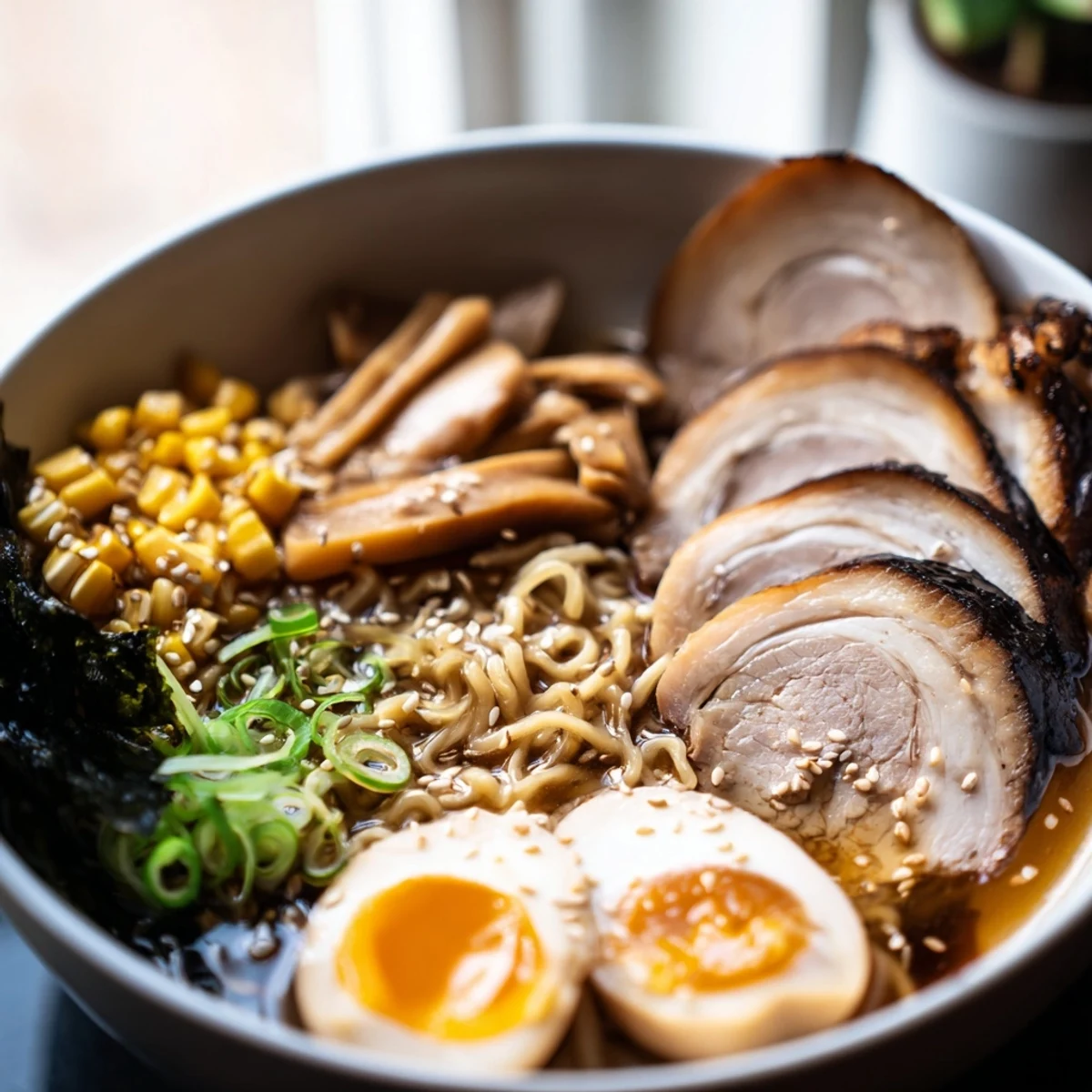
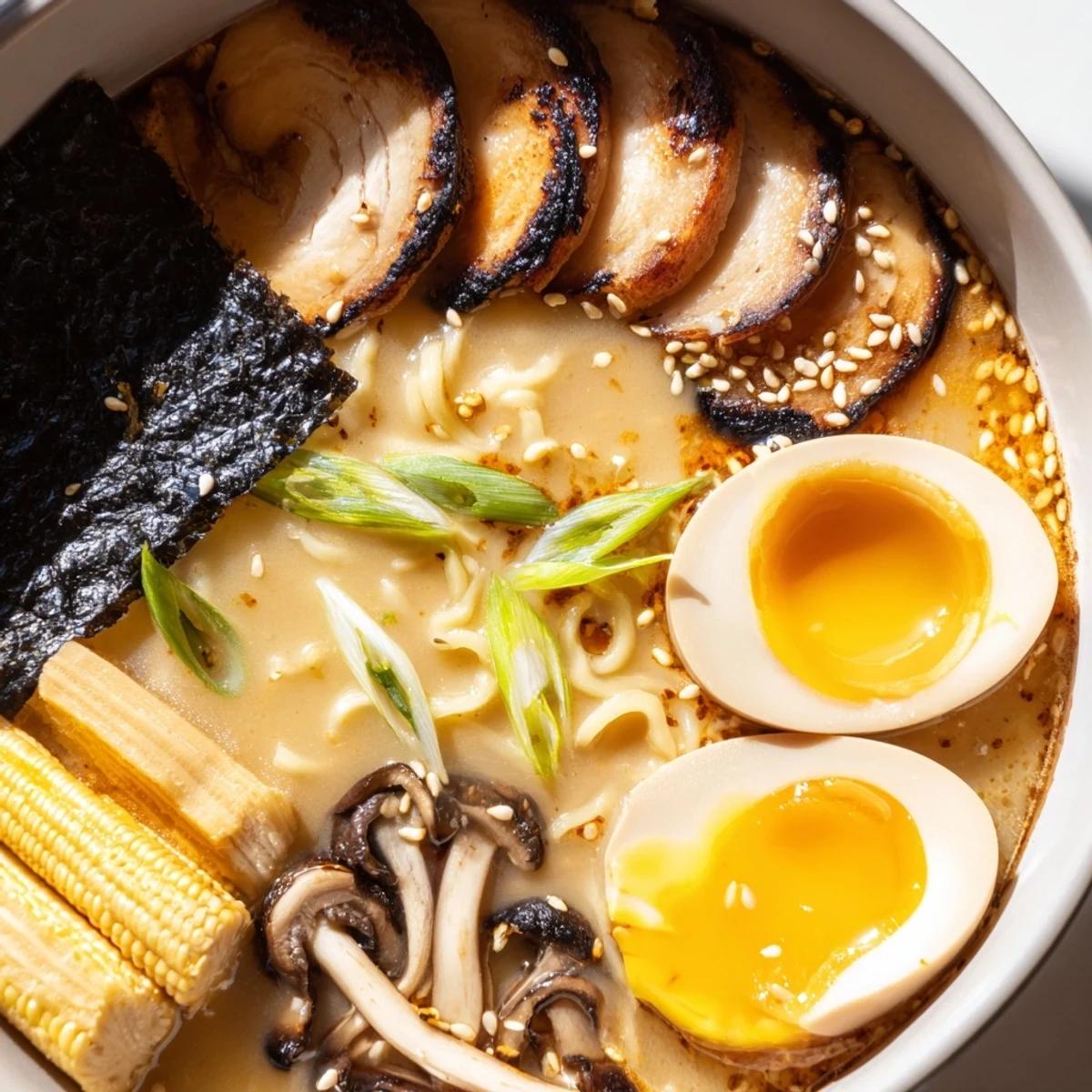
Each bowl is assembled with perfectly cooked noodles, ladles of steaming broth, and topped with silky soft-boiled eggs, succulent slices of pork belly or chicken, earthy shiitake mushrooms, crisp spring onions, nori, and bamboo shoots. A sprinkle of toasted sesame seeds finishes the dish beautifully.
Ready in about 50 minutes, this medium-difficulty dish yields four generous servings and can easily be adapted for vegetarian diets by swapping the broth and protein.
The steam hit my face before I even lifted the bowl, and something about that rich, savory smell transported me straight back to a tiny ramen shop in Osaka where I once waited forty minutes in the rain for a seat. That bowl cost me eight dollars and changed everything I thought I knew about soup. This homemade version captures that same soul warming depth without requiring a flight across the Pacific.
A rainy Tuesday evening, my roommate hovering over the stove asking if it was ready yet every three minutes, and two friends who showed up unannounced and ended up staying for seconds. That night this ramen became the unofficial dish of our apartment, requested more often than pizza.
Ingredients
- Chicken or pork broth (1.5 liters): Use the best quality you can find because this is the backbone of every single flavor that follows.
- Soy sauce (2 tbsp): Adds salt and umami depth that rounds out the broth beautifully.
- Miso paste (1 tbsp): Dissolve it fully before adding more, as it brings a fermented richness that nothing else can replicate.
- Sesame oil (2 tsp): Toasted sesame oil specifically, for that nutty aroma that hits you the moment it hits the pan.
- Garlic, minced (2 cloves): Fresh is non negotiable here, jarred minced garlic will leave you with a flat, sad broth.
- Ginger, sliced (1 thumb sized piece): Keep the slices large so you can strain them out later without losing the warm spicy note.
- Mirin (1 tbsp): A touch of sweetness that balances the salt and deepens the Japanese character of the broth.
- Fresh ramen noodles (400 g): Springy, chewy, and worth seeking out at an Asian grocery store instead of settling for dried alternatives.
- Soft boiled eggs (2): Six minutes in gently boiling water gives you that gorgeous jammy yolk that makes people gasp when they see it.
- Cooked pork belly or chicken breast (200 g): Sliced thin and laid across the top like a blanket of pure comfort.
- Shiitake mushrooms (100 g): Their earthy flavor actually deepens the broth if you let them simmer for a minute before serving.
- Nori, spring onions, bamboo shoots, corn, sesame seeds: Each one adds color, crunch, or a burst of freshness that keeps every bite interesting.
Instructions
- Wake up the aromatics:
- Heat sesame oil in a large pot over medium heat until it shimmers, then add garlic and ginger, stirring until the smell fills your kitchen and you start smiling involuntarily.
- Build the broth:
- Pour in the broth, soy sauce, miso paste, and mirin, whisking gently until the miso dissolves completely, then let it simmer for twenty minutes so all those flavors melt into one another before straining out the solids.
- Cook the noodles:
- Follow your package instructions carefully because overcooked ramen noodles turn gummy and sad, and you deserve better than that. Drain and set aside.
- Prep the toppings:
- Soft boil your eggs for exactly six minutes, plunge them into ice water, peel carefully, and halve them while you slice your meat and vegetables into neat, appealing pieces.
- Assemble with care:
- Divide noodles among four deep bowls, ladle the steaming broth over them, then arrange each topping with intention, finishing with a scatter of sesame seeds and sliced spring onions.
 Pin to board
 There is something profoundly generous about placing a steaming bowl of ramen in front of someone you care about. It says sit down, slow down, and let me take care of you tonight.
Making It Your Own
Ramen is deeply personal and there are no topping police coming to your kitchen. Swap pork for tofu, add spinach or bean sprouts, drizzle chili oil if you want heat, or crack an extra egg in there because you had a long day and nobody is counting.
Drinks That Pair Beautifully
Cold Japanese beer is the classic companion and for good reason, as the carbonation cuts through the richness of the broth perfectly. A cup of sake works too, or even a crisp green tea if you want to keep things light and let the ramen be the star.
A Few Final Thoughts From My Kitchen
Every bowl of ramen tells a slightly different story depending on what you had in your fridge and what kind of day you were having. That is the real magic of this dish, it adapts, forgives, and always comforts.
- Taste the broth before assembling and adjust salt or soy sauce as needed because broths vary wildly in saltiness.
- Fresh noodles make a noticeable difference, so seek them out if you can.
- Serve immediately because ramen waits for no one and the noodles keep absorbing broth by the minute.
 Pin to board
 Make this once and it will live in your rotation forever, a bowl of warmth that turns any ordinary evening into something worth remembering.
Recipe FAQs
- → What type of noodles work best for ramen?
-
Fresh ramen noodles are ideal for their chewy, springy texture. If unavailable, dried ramen noodles or even thin spaghetti can work as substitutes. Cook them separately according to package directions and drain well before adding to the broth.
- → Can I make the broth ahead of time?
-
Yes, the broth actually improves in flavor when made a day ahead. Store it in an airtight container in the refrigerator for up to three days, or freeze it for up to a month. Reheat gently before assembling your bowls.
- → How do I achieve the perfect soft-boiled egg for ramen?
-
Gently lower eggs into boiling water and cook for exactly 6 minutes for a jammy, runny yolk. Immediately transfer to an ice bath to stop the cooking. Peel carefully and halve just before serving. For extra flavor, marinate peeled eggs in a mixture of soy sauce and mirin for a few hours.
- → What can I substitute for pork belly?
-
Chicken breast, sliced chashu pork, braised beef, or even firm tofu are all excellent alternatives. For a vegetarian version, marinated and pan-seared tofu or tempeh works wonderfully alongside the flavorful broth.
- → Is there a gluten-free option for this dish?
-
You can use gluten-free tamari instead of soy sauce, and select gluten-free miso paste. Swap traditional wheat-based ramen noodles for rice noodles or gluten-free noodle alternatives. Always check labels on broth and condiments to ensure they are gluten-free.
- → How spicy can I make this ramen?
-
Add chili oil, sriracha, or red pepper flakes to taste. A tablespoon of chili crisp adds both heat and crunchy texture. For a deeper warmth, stir a teaspoon of gochujang or doubanjiang into the broth while simmering.