
 Pin to board
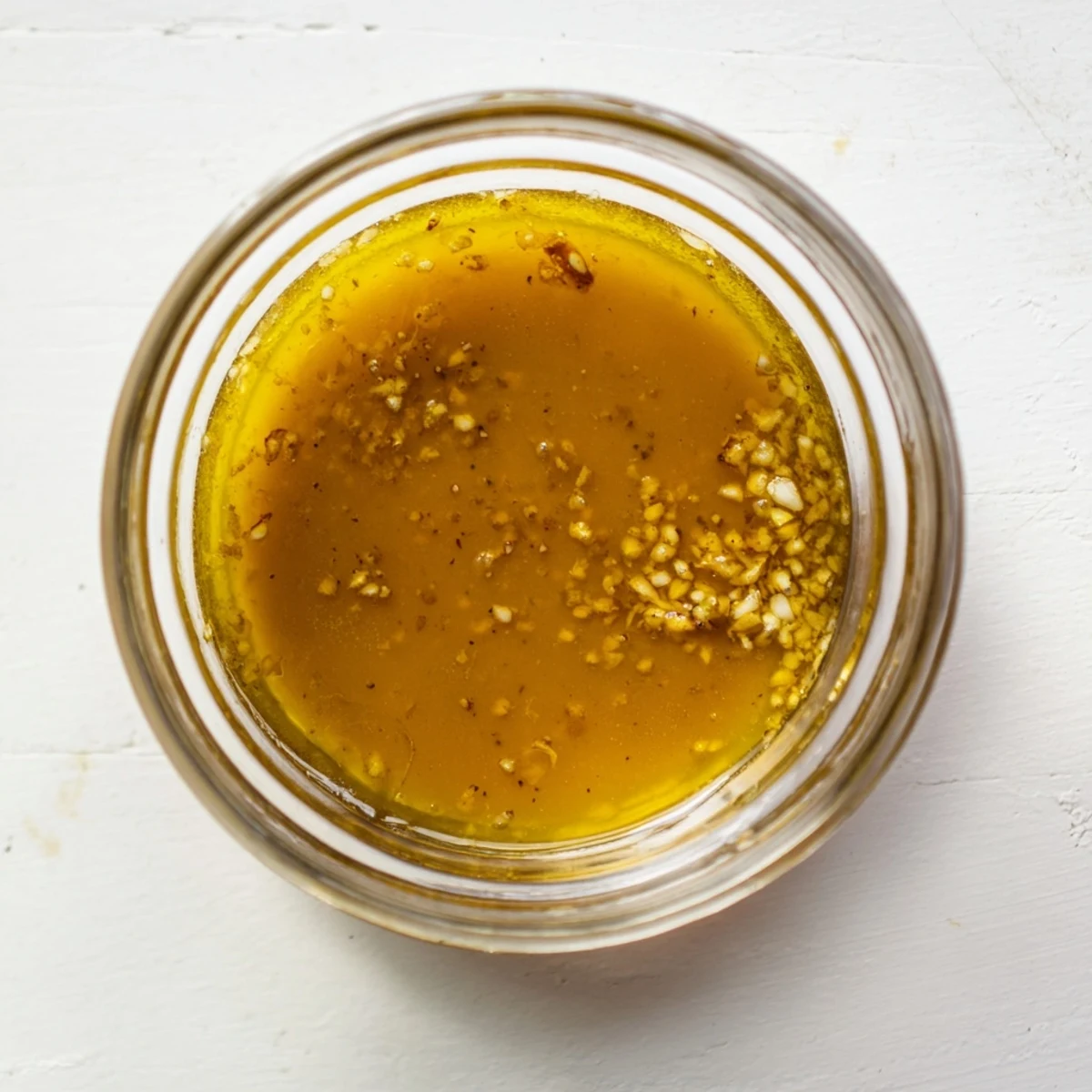
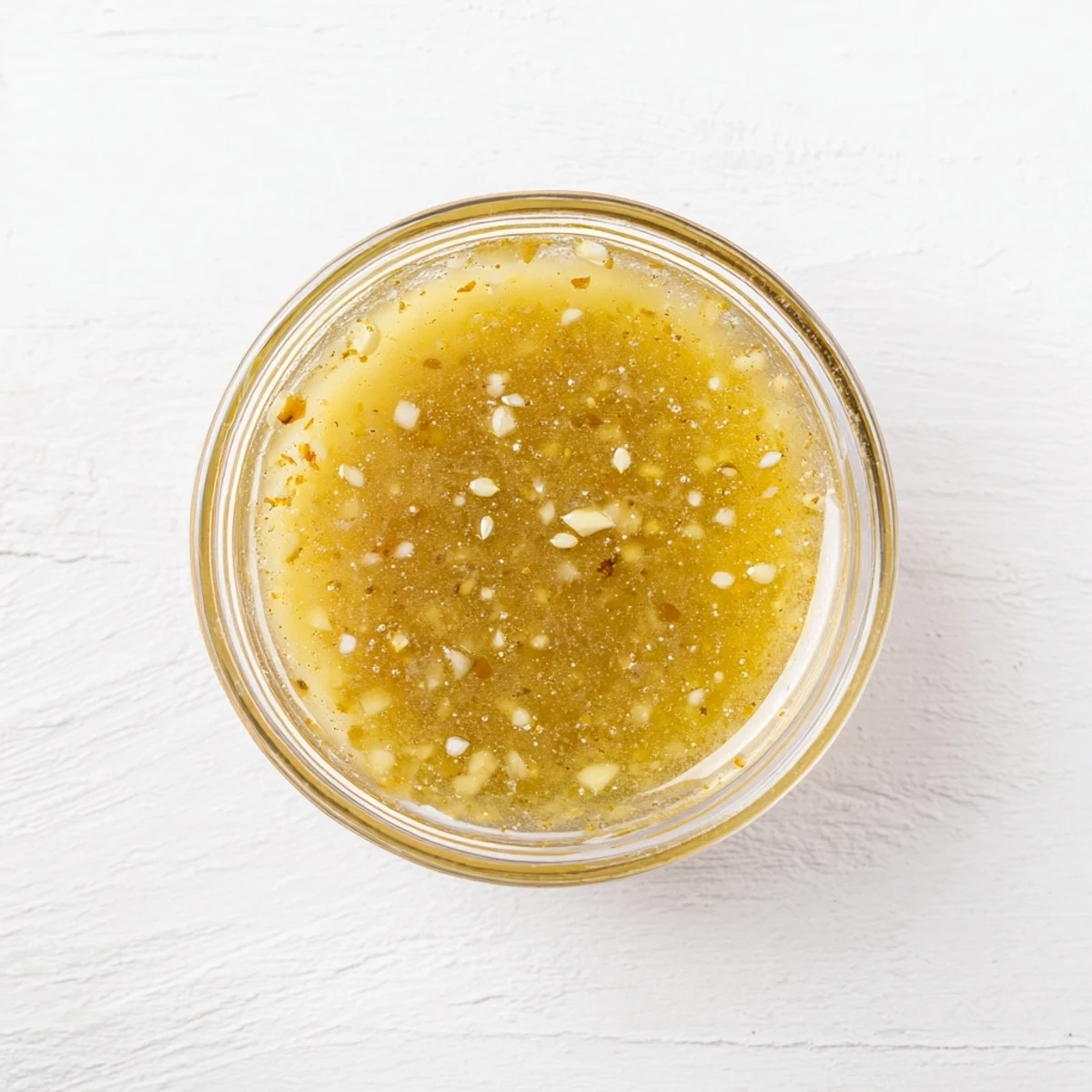
 This honey mustard vinaigrette strikes the perfect balance between tangy vinegar and sweet honey, creating a versatile dressing that elevates any dish. The combination of extra virgin olive oil, apple cider vinegar, and Dijon mustard creates a smooth emulsion with a rich depth of flavor. Simply whisk together the ingredients, season to taste, and let it chill briefly for the flavors to meld together beautifully.
Use it to dress fresh green salads, drizzle over roasted vegetables, or brush onto grilled chicken and fish during cooking for a caramelized glaze. The dressing keeps well in the refrigerator for up to a week, so you can make a batch ahead of time and have it ready for quick meals throughout the week.
My grandmother never measured anything when she made vinaigrette, just poured and tasted and poured again, and I used to think she possessed some secret knowledge I would never have.
I started making this dressing during a summer when my neighbor kept leaving bags of garden lettuce on my doorstep, and pretty soon I was putting it on everything from roasted carrots to a turkey sandwich I probably should not have been that excited about.
Ingredients
- Extra virgin olive oil (3 tablespoons): Use the good stuff here since there are so few ingredients and the oil flavor really shines through.
- Apple cider vinegar (1 tablespoon): White wine vinegar works beautifully too, but apple cider vinegar adds a subtle fruitiness that I have grown to prefer.
- Dijon mustard (1 tablespoon): This is the emulsifier that holds everything together and gives the dressing its creamy body.
- Honey (1 tablespoon): Round and sweet, it balances the sharpness of the vinegar and the punch of the garlic.
- Garlic clove (1 small, finely minced): One small clove is enough because raw garlic can quickly take over the whole jar if you let it.
- Salt and freshly ground black pepper: Season to taste at the end because the mustard and vinegar brands you use will change how much you need.
Instructions
- Whisk everything together:
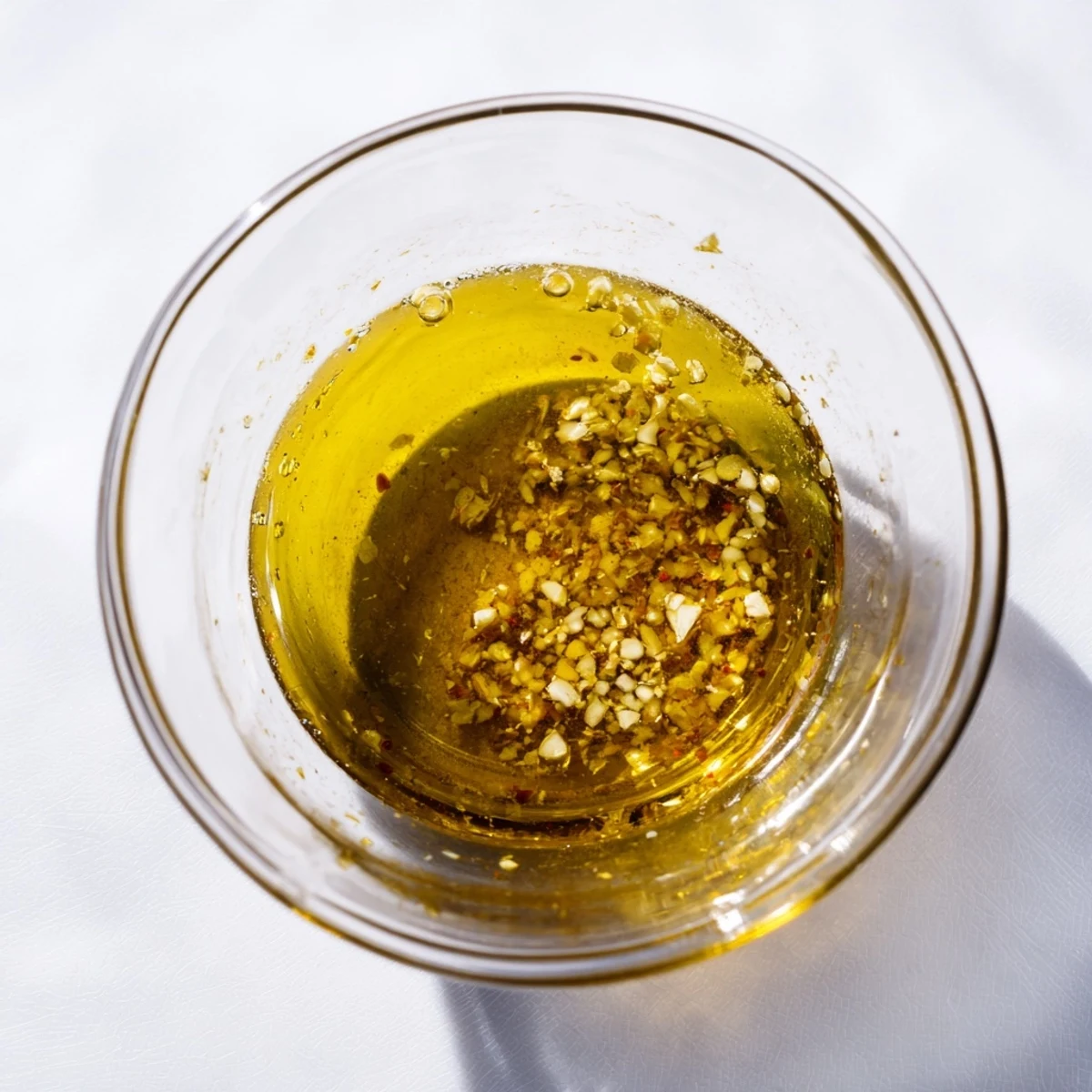
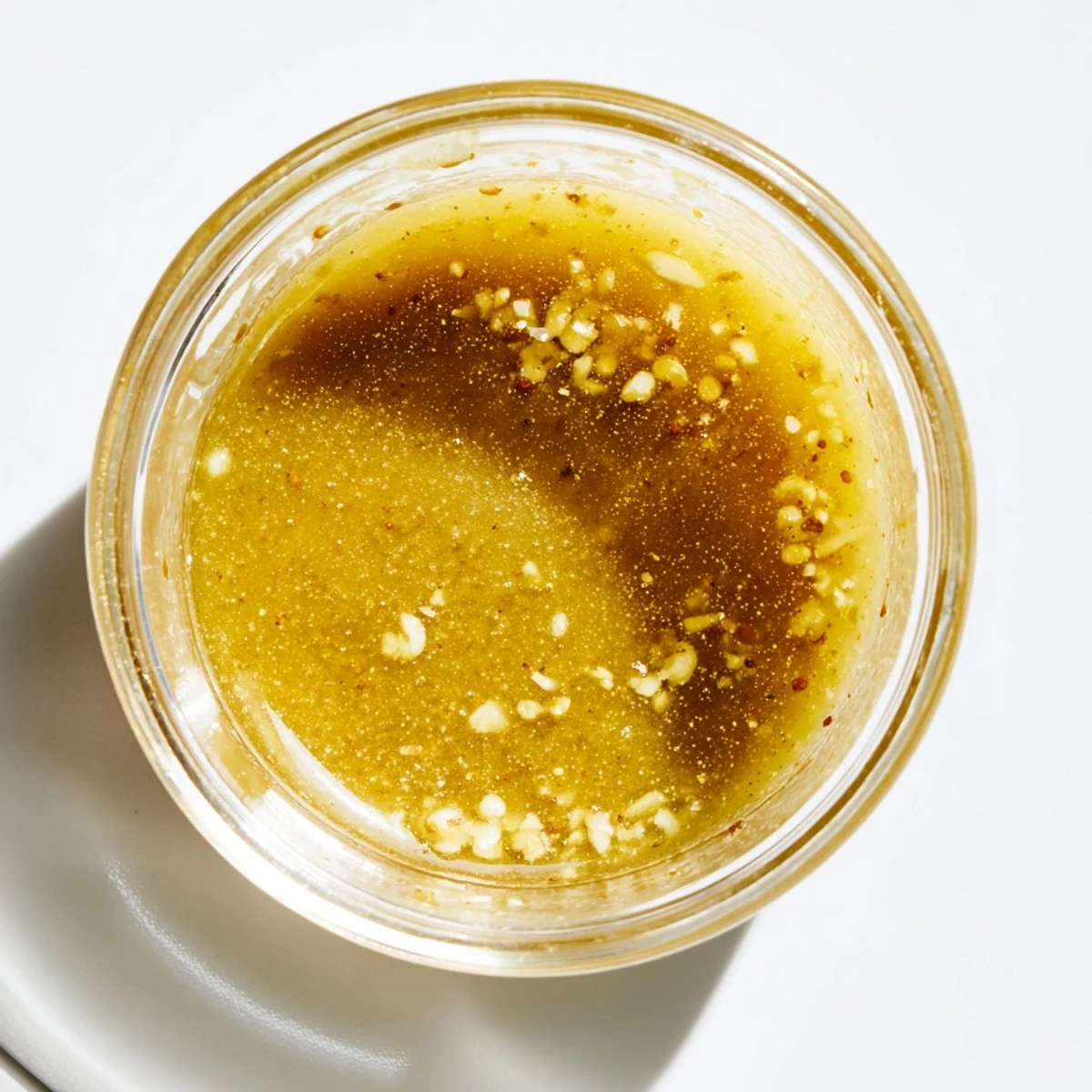
- In a small bowl or a jar, combine the olive oil, vinegar, Dijon mustard, honey, and minced garlic, then whisk vigorously until the mixture looks smooth and slightly creamy.
- Season and adjust:
- Taste with a leaf of lettuce if you have one handy, then add salt and pepper until it sings.
- Let it rest:
- Pop it in the fridge for ten to fifteen minutes if you have the patience, because the flavors settle into something much more harmonious.
 Pin to board
  Pin to board
 There was a Tuesday night dinner party where I watched three grown adults fight over the last drizzle of this dressing at the bottom of a salad bowl, and that is when I realized how something so simple can steal the whole show.
Storing Your Vinaigrette
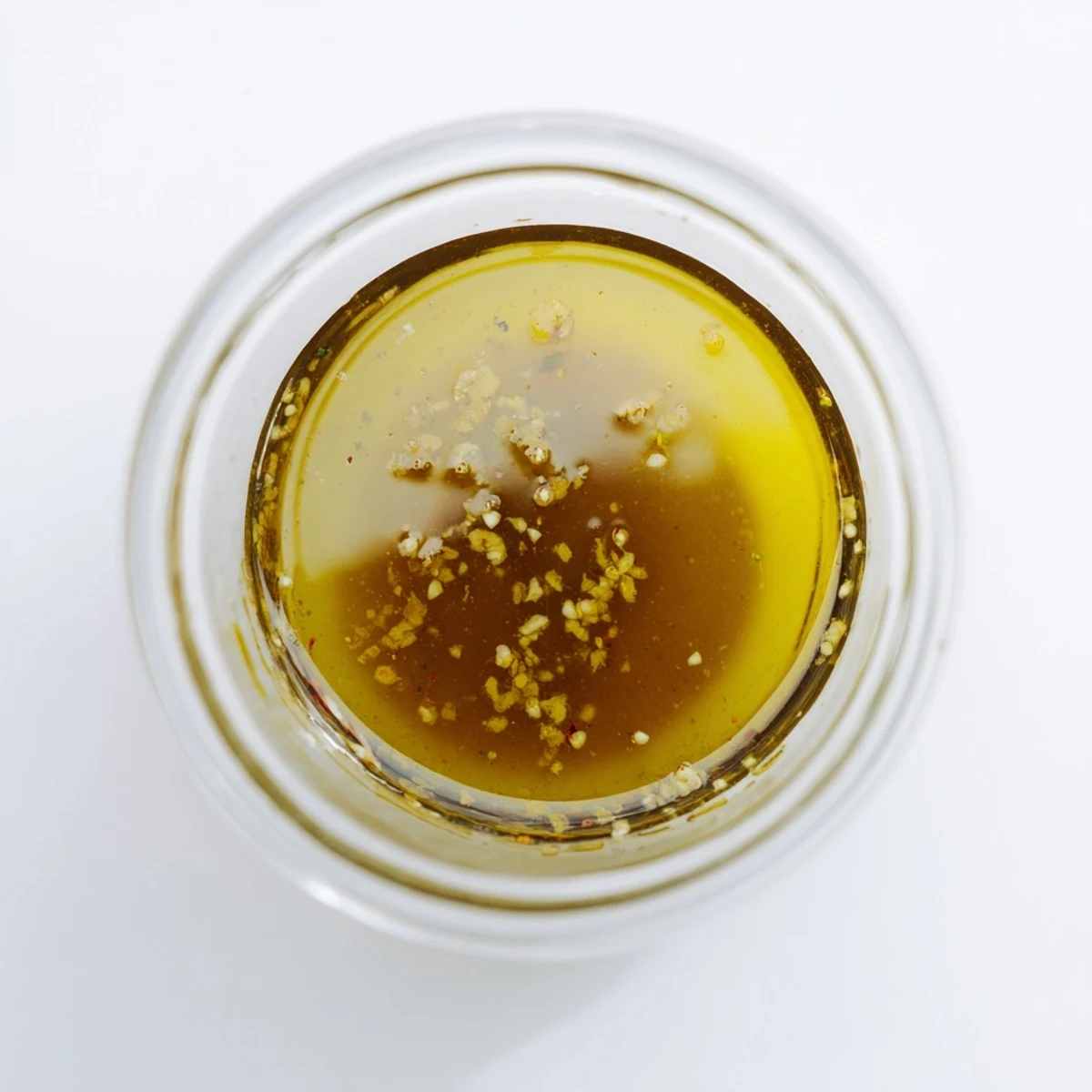
Keep it in a sealed jar in the refrigerator for up to one week, though honestly it rarely lasts that long in my kitchen.
Making It Your Own
Squeeze in a teaspoon of lemon juice if you want extra brightness, or swap the honey for maple syrup to make it fully vegan and slightly more earthy in flavor.
Tools and Cleanup
Making this in a jar with a tight lid means you can just shake it instead of whisking, and cleanup is basically nothing. A few things worth keeping in mind as you go:
- A fork works perfectly fine if you do not have a whisk.
- Use a Microplane to grate the garlic if you want it to disappear completely into the dressing.
- Always taste the dressing on an actual piece of what you are serving it with, not off a spoon.
 Pin to board
  Pin to board
 Once you start making your own vinaigrette, you will never go back to store bought, and your salads will thank you every single time.
Recipe FAQs
- → How long does this vinaigrette keep?
-
The vinaigrette stores well in a sealed container in the refrigerator for up to 1 week. Give it a good shake or stir before using, as the ingredients may separate slightly when chilled.
- → Can I make this vegan?
-
Yes, simply replace the honey with an equal amount of maple syrup or agave nectar. Both alternatives provide sweetness and help create the same smooth consistency.
- → What can I use instead of apple cider vinegar?
-
White wine vinegar makes an excellent substitute with a milder flavor. You could also use red wine vinegar for a more robust taste or champagne vinegar for something lighter and more delicate.
- → Why does my vinaigrette separate?
-
Separation is natural since oil and vinegar don't permanently bond. Simply whisk or shake vigorously before each use to recombine. For a longer-lasting emulsion, you can add a teaspoon of Dijon mustard which acts as a natural emulsifier.
- → What dishes pair best with this dressing?
-
This versatile vinaigrette works wonderfully on mixed green salads, grain bowls, and roasted vegetables like asparagus or Brussels sprouts. It's also excellent as a marinade for chicken, pork, or salmon, and makes a tasty spread for sandwiches and wraps.