
 Pin to board
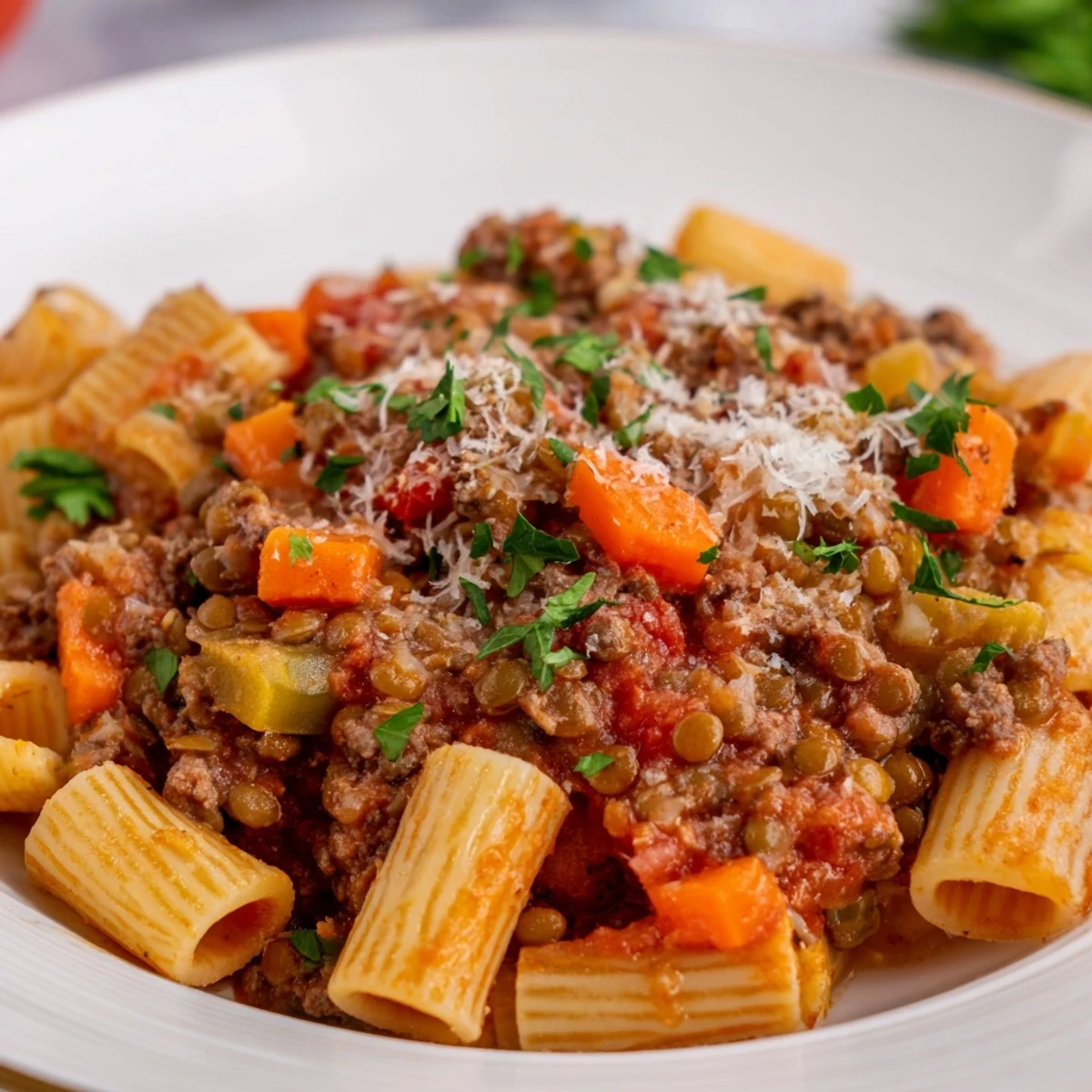
 This wholesome Bolognese combines lean ground beef with protein-packed lentils, creating a nutrient-dense sauce that's both satisfying and economical. The addition of carrots, celery, onions, and red bell pepper layers flavor while boosting vegetable intake.
Simmered slowly with aromatic herbs and tomatoes, the lentils become tender while thickening the sauce naturally. Serve over pasta, zucchini noodles, or rice for a complete meal that delivers 28 grams of protein per serving.
Perfect for meal prep, this sauce freezes beautifully and tastes even better the next day as flavors continue to meld together.
The first time I made this bolognese, my husband thought it was a traditional meat sauce until he noticed the little lentils tucked between the pasta strands. We'd been trying to eat more plant-based meals without sacrificing the hearty comfort we craved, and this recipe became our weeknight salvation. Now it's the sauce I make when I want something that feels indulgent but leaves us feeling energized instead of heavy.
Last winter my sister came over for dinner looking completely drained from work. I served this sauce over spaghetti with a dusting of Parmesan, and she went back for thirds. She said it tasted like something our grandmother would have made, though Nonna definitely never cooked with lentils. Sometimes the best recipes come from breaking tradition.
Ingredients
- 400 g (14 oz) lean ground beef: You really want the lean stuff here since the lentils provide plenty of body, and it keeps the sauce from becoming greasy
- 200 g (1 cup) dried brown or green lentils, rinsed: These little legumes are the secret weapon that stretches the meat while adding protein and a wonderful texture that holds onto the sauce
- 1 large onion, finely chopped: The foundation of any good bolognese, take your time dicing this small so it melts into the sauce
- 2 carrots, diced: Sweetness to balance the tomatoes and a classic mirepoix essential
- 2 celery stalks, diced: Dont skip this, it adds that subtle savory depth that makes people ask what's different about your sauce
- 3 garlic cloves, minced: Fresh is non-negotiable here, it blooms beautifully in that bit of olive oil before the beef goes in
- 1 red bell pepper, diced: My addition to the classic trio, it adds natural sweetness and another layer of vegetables
- 400 g (14 oz) canned diced tomatoes: Use the good stuff with juices included, they become the body of your sauce
- 2 tbsp tomato paste: This concentrates the tomato flavor and gives the sauce that rich restaurant quality color
- 750 ml (3 cups) low-sodium beef or vegetable broth: I control the salt myself, so I can adjust at the end without overdoing it
- 2 tbsp olive oil: A decent extra virgin makes a difference, this is where your sauce starts
- 1 tsp dried oregano: The classic Italian herb that instantly makes your kitchen smell like an Italian grandmother's house
- 1 tsp dried basil: Sweet and peppery, it pairs perfectly with the oregano
- 1 bay leaf: The quiet worker that adds subtle depth, just remember to fish it out before serving
- ½ tsp crushed red pepper flakes: Totally optional, but I love the gentle warmth it builds in the background
- Salt and pepper, to taste: Season at every stage and taste as you go
- Fresh basil or parsley, chopped: The bright finish that makes everything pop
- Grated Parmesan cheese: Because some traditions are worth keeping
Instructions
- Build your flavor foundation:
- Heat that olive oil in your large pot over medium heat and toss in your onion, carrots, celery, and red bell pepper. Let them soften and become fragrant for about 6 to 8 minutes, stirring occasionally so nothing catches. This is where patience pays off, getting those vegetables sweet and tender.
- Wake up the garlic:
- Add your minced garlic and let it cook for just 1 minute until you can smell it throughout the kitchen. Watch it carefully, burned garlic turns bitter and can ruin the whole pot.
- Brown the beef:
- Add the ground beef and use your wooden spoon to break it up into smaller pieces as it cooks. Keep going until it's browned and no pink remains, about 5 to 7 minutes. The browning on the bottom of the pot is going to add so much flavor later.
- Bloom the spices:
- Stir in the tomato paste, oregano, basil, bay leaf, and red pepper flakes if you're using them. Let this cook for 2 minutes, stirring constantly. The tomato paste will darken a bit and the spices will become incredibly fragrant.
- Add everything else:
- Pour in your rinsed lentils, the entire can of diced tomatoes with their juices, and the broth. Stir really well, making sure to scrape up all those flavorful browned bits from the bottom of the pot. That's liquid gold right there.
- Let it simmer:
- Bring everything to a boil, then reduce the heat to low and cover the pot. Let it gently simmer for 35 to 40 minutes, stirring every so often to prevent sticking. The lentils should become tender and the sauce should thicken beautifully. Add a splash more broth or water if it gets too thick.
- Final seasoning:
- Taste your sauce and season with salt and pepper until it sings. Fish out that bay leaf and discard it. The flavors should be rich, earthy, and deeply satisfying.
- Serve it up:
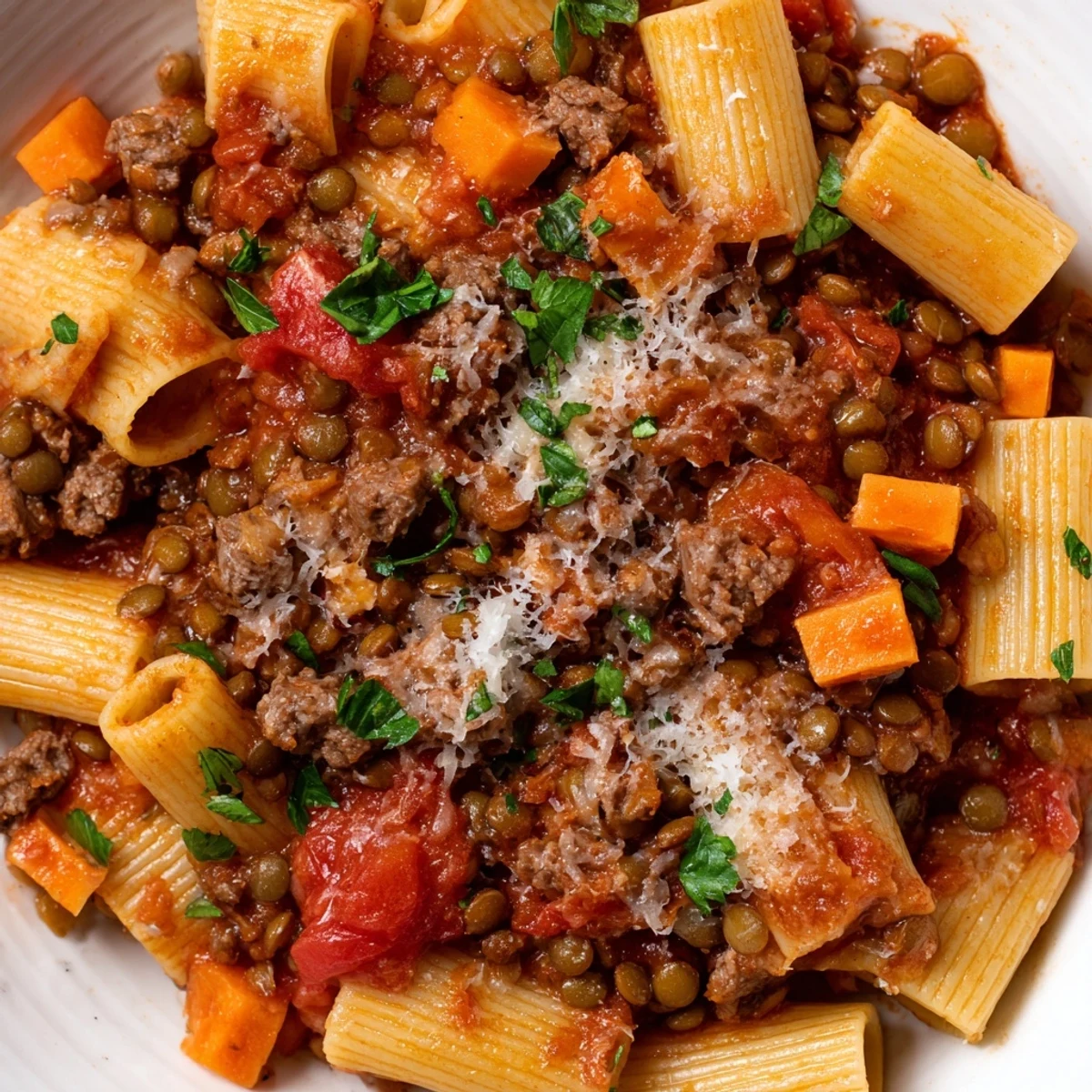
- Pour this gorgeous sauce over whatever base speaks to you, whether that's whole wheat pasta, zucchini noodles, or even rice. Top with fresh herbs and a generous dusting of Parmesan while it's steaming hot.
 Pin to board
 This recipe has become my go-to when friends announce they're coming over for dinner and I haven't planned anything elaborate. I can get it started and let it bubble away while we catch up, filling the house with smells that make everyone gravitate toward the kitchen. There's something about a slowly simmering pot of sauce that makes people feel at home.
Making It Vegetarian
I've made this without the beef plenty of times, using just the lentils or swapping in plant-based ground meat. The truth is, with all those vegetables and the slow simmer, you won't miss the meat at all. Double the lentils and maybe add another carrot for sweetness.
Storage And Freezing
This sauce actually tastes better the next day, which is saying something. I keep a container in the fridge for quick lunches and freeze portions in freezer bags for those nights when cooking feels impossible. Just thaw overnight and reheat gently with a splash of water.
Perfect Pairings
A light Italian red wine like Chianti cuts through the richness beautifully without overpowering the dish. I've also served it with a simple green salad dressed with lemon and olive acid to brighten the whole meal.
- Whole wheat spaghetti holds up well against the hearty sauce
- Zucchini noodles keep it light for summer evenings
- A piece of crusty bread is essential for sopping up every last drop
 Pin to board
 There's something deeply satisfying about serving a meal that's both comforting and nourishing, that fills the belly without leaving you weighed down. This is the sauce that taught me healthy food doesn't have to feel like healthy food.
Recipe FAQs
- → Can I make this vegetarian?
-
Absolutely. Simply omit the ground beef and double the lentils, or use plant-based mince for a similar texture. The sauce remains hearty and satisfying.
- → Do I need to soak lentils before cooking?
-
No. Dried brown and green lentils cook directly in the sauce and become tender during the simmering process. Just rinse them thoroughly before adding to the pot.
- → How long does this keep in the refrigerator?
-
The sauce stores well in an airtight container for 4-5 days. It actually tastes better after a day or two as the flavors have time to develop and meld together.
- → Can I freeze this Bolognese?
-
Yes, this freezes beautifully for up to 3 months. Portion into freezer-safe containers or bags, thaw overnight in the refrigerator, and reheat gently on the stovetop.
- → What pasta works best with this sauce?
-
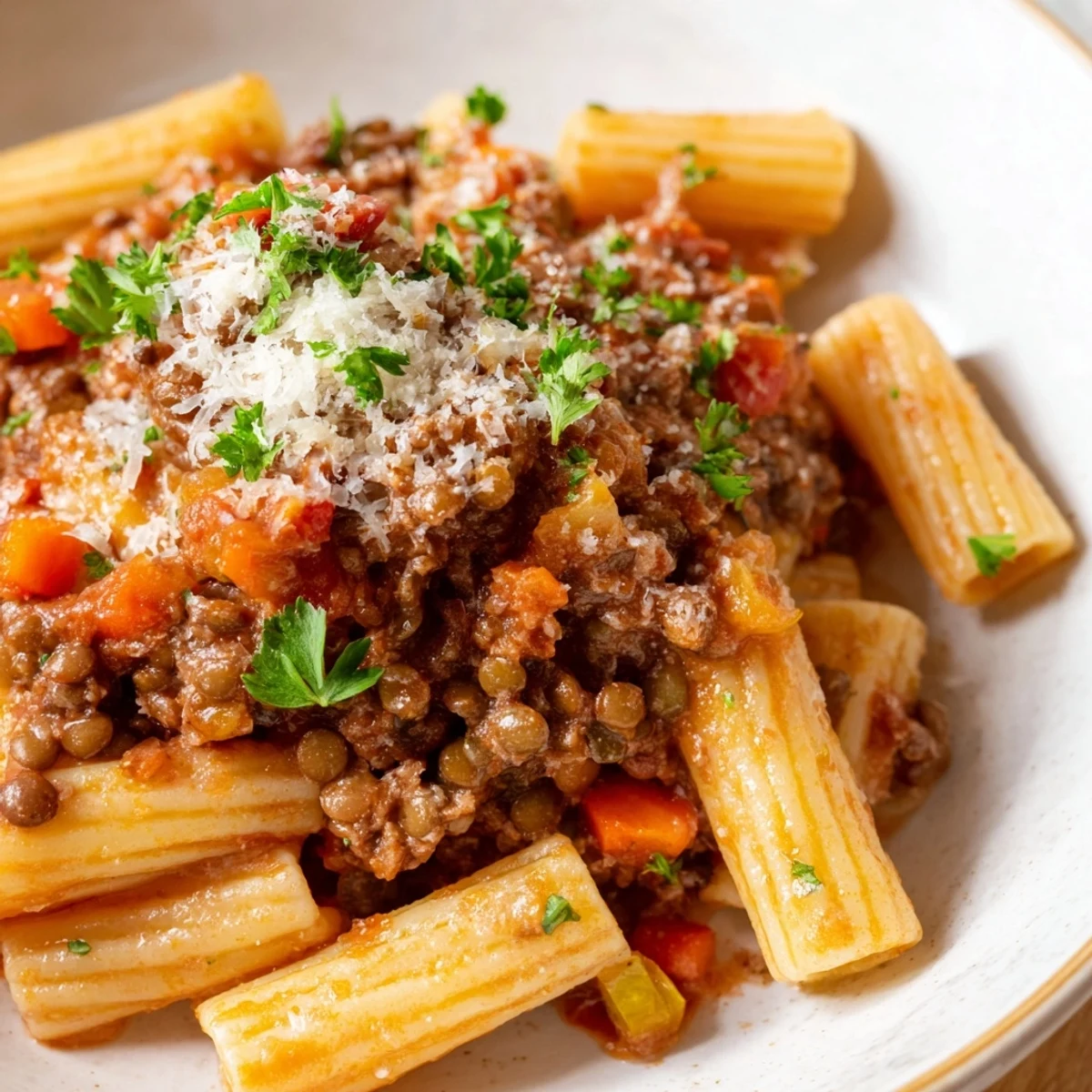
The chunky texture pairs perfectly with whole wheat spaghetti, penne, or rigatoni. For a low-carb option, try zucchini noodles or serve over steamed rice.
- → How can I make it spicier?
-
Increase the red pepper flakes to 1 teaspoon, or add fresh minced chili peppers when sautéing the vegetables. Adjust gradually to suit your heat preference.