
 Pin to board
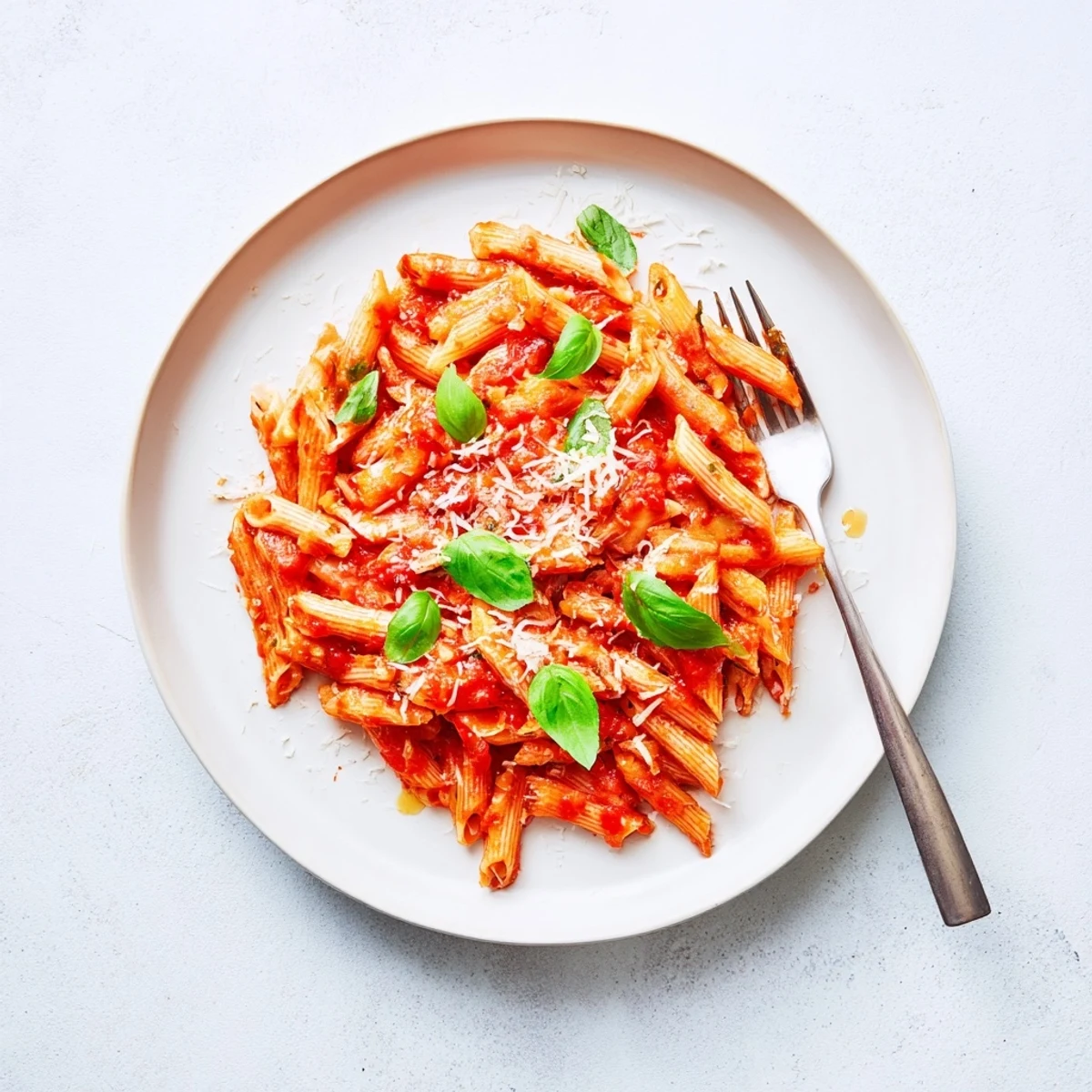
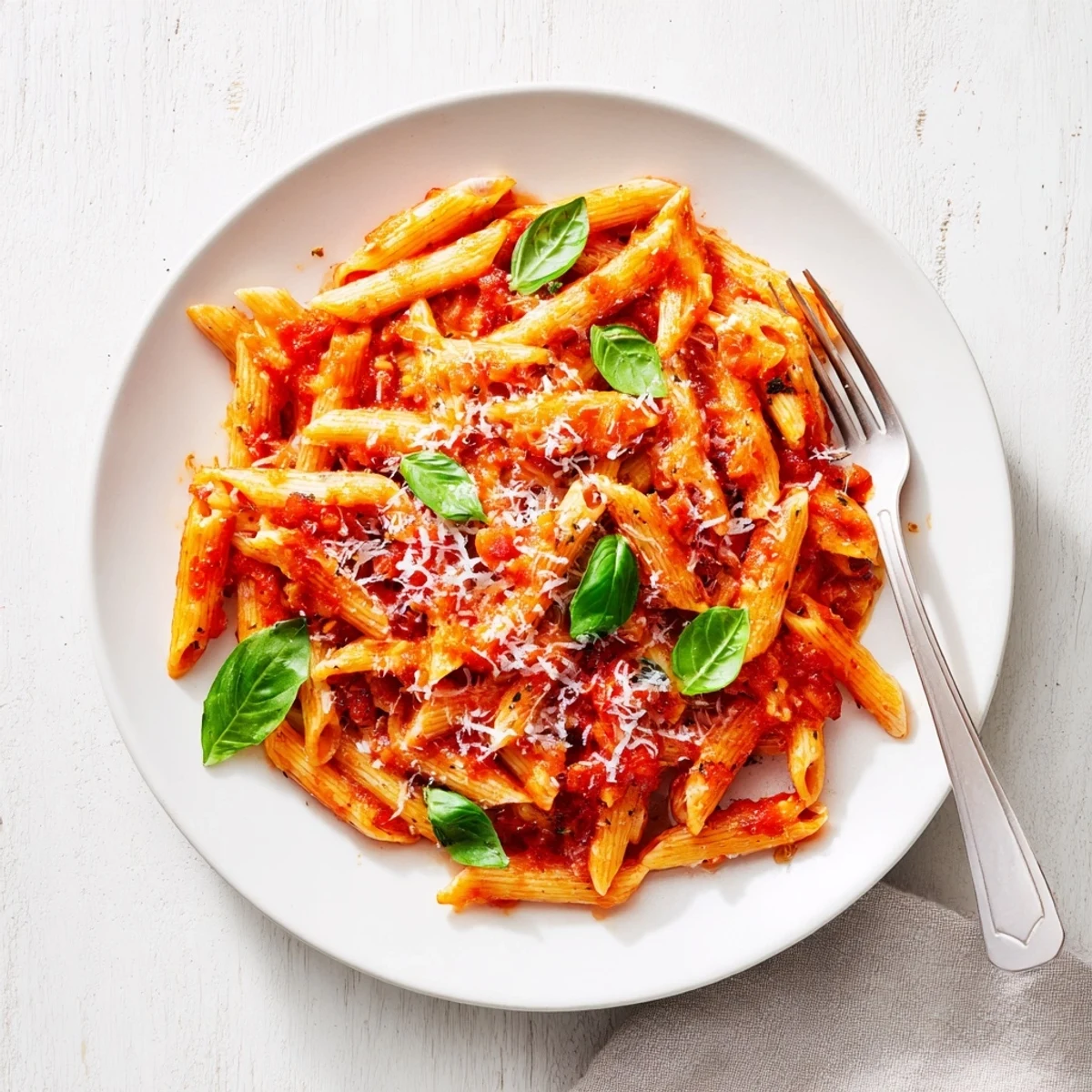
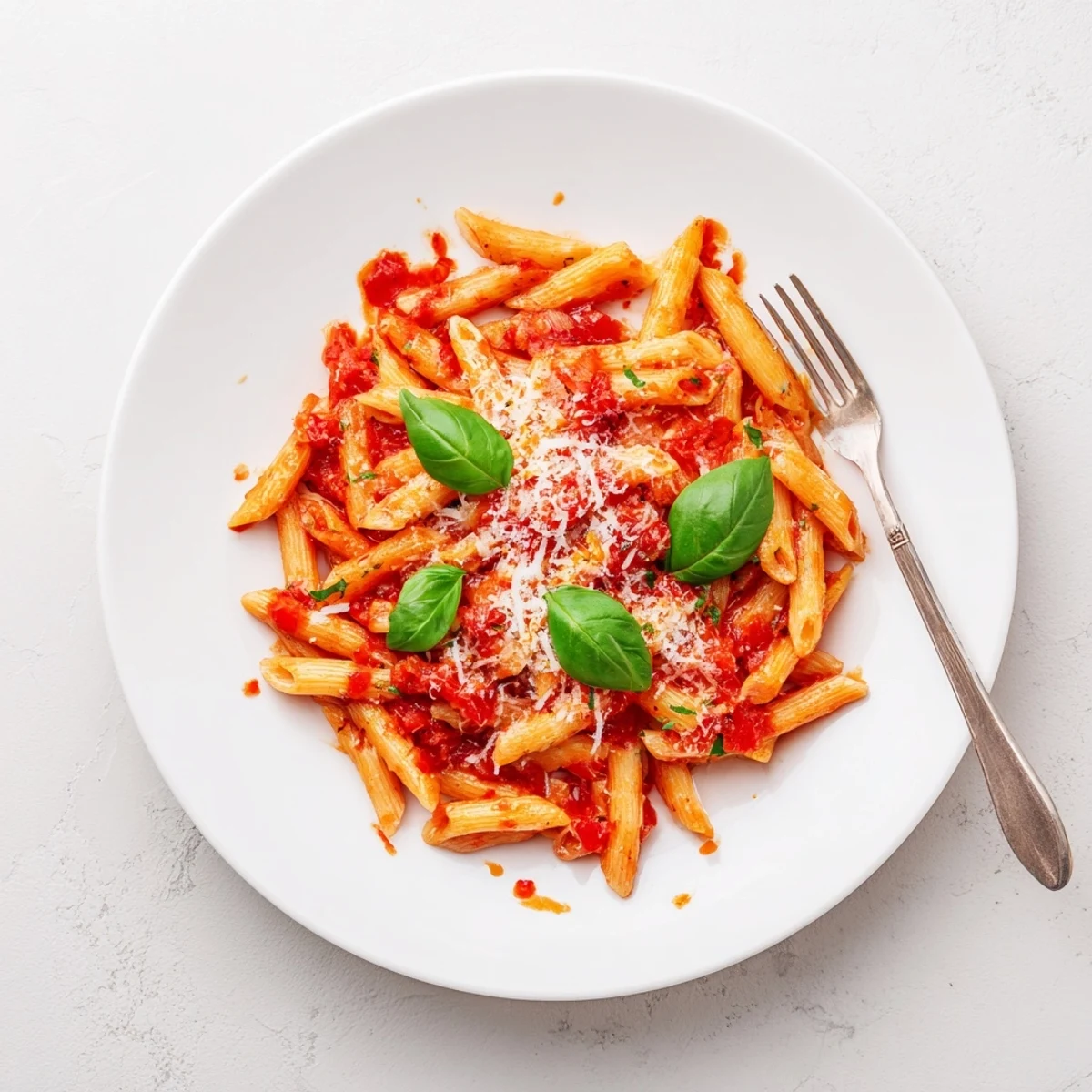
 This classic Italian dish combines perfectly al dente pasta with a rich, aromatic tomato sauce. The sauce features sautéed garlic and onions, simmered with crushed tomatoes, dried oregano, and a hint of red pepper flakes for warmth. Fresh basil and grated Parmesan are added at the end to brighten the flavors. Ready in just 30 minutes, this versatile main dish serves four and works beautifully for both quick weeknight dinners and relaxed gatherings with friends and family.
The exhaust fan above my stove was broken the evening I decided tomato sauce from scratch was nonnegotiable, so every window in the apartment fogged up within minutes. Garlic hitting olive oil filled the place so completely that my neighbor knocked just to ask what was cooking. That pot of spaghetti, tossed in the simplest sauce imaginable, reset my entire understanding of weeknight cooking. Sometimes the most unassuming meal is the one that stays with you longest.
I made this for my sister the night she moved into her first apartment, surrounded by stacked boxes and a single unpacked pot. She sat on the kitchen floor with her bowl balanced on a cardboard box and told me it was the best meal she had ever eaten, and honestly the setting probably helped, but the sauce held its own.
Ingredients
- 400 g dried pasta (spaghetti, penne, or your favorite shape): Choose a shape with texture or ridges if you want the sauce to really cling to every bite.
- Salt for boiling water: The water should taste faintly like the sea because this is your one chance to season the pasta itself.
- 2 tbsp olive oil: A decent quality oil makes a noticeable difference here since it forms the backbone of the sauce.
- 3 cloves garlic minced: Fresh garlic only because the jarred stuff lacks the sharp sweetness that blooms in hot oil.
- 1 onion finely chopped: Onion cooked down slowly adds a natural sweetness that balances the acidity of canned tomatoes.
- 800 g canned crushed tomatoes: San Marzano if you can find them because their flavor is consistently richer and less watery.
- 1 tsp sugar: This tiny amount tames the tartness of the tomatoes without making anything taste sweet.
- 1 tsp dried oregano: Rub it between your palms right into the pot to wake up the essential oils before it hits the heat.
- 1/2 tsp red pepper flakes (optional): A gentle warmth rather than real heat, so do not skip it unless you are very sensitive.
- Salt and freshly ground black pepper to taste: Season in small additions and taste as you go because you can always add more but never take it back.
- 20 g fresh basil leaves torn: Tear instead of cutting to prevent bruising, and add it off the heat so the color stays vivid green.
- 50 g grated Parmesan cheese plus extra for serving: Grate it yourself from a wedge because the pre shredded kind contains anti caking agents that make it grainy.
- 1 tbsp olive oil for drizzling: This final drizzle adds a silky finish and a fruity aroma right at the end.
Instructions
- Boil the pasta:
- Bring a large pot of generously salted water to a rolling boil and cook the pasta according to package directions until just tender with a slight bite in the center. Scoop out half a cup of the starchy cooking water before draining because that liquid is pure gold for adjusting your sauce later.
- Start the aromatics:
- While the pasta works, warm olive oil in a wide skillet over medium heat and add the onion, stirring often until it turns glassy and soft. Slide in the garlic and keep things moving for about thirty seconds until the smell hits you and everything feels alive in the pan.
- Build the sauce:
- Pour in the crushed tomatoes along with the sugar, oregano, red pepper flakes, and a generous pinch of salt and pepper. Let it bubble gently uncovered for ten to fifteen minutes, stirring now and then, until it darkens slightly and coats the back of a spoon.
- Marry the pasta and sauce:
- Tumble the drained pasta directly into the skillet and toss vigorously so every strand or piece gets coated. Splash in a little of that reserved pasta water if things look dry, because the starch helps the sauce emulsify and cling rather than pool at the bottom.
- Finish with freshness:
- Kill the heat and scatter in the torn basil and most of the Parmesan, tossing gently so the cheese melts into the folds of pasta. Finish with a generous drizzle of good olive oil and watch how it catches the light across the surface.
- Serve immediately:
- Divide among warm bowls and shower with extra Parmesan and a few more basil leaves if you are feeling generous. This dish waits for no one, so call everyone to the table before you even pick up the tongs.
 Pin to board
 There is a particular kind of quiet that settles over a table when everyone is too busy eating to talk, and this pasta has produced that silence more reliably than anything else I cook. The clink of forks against bowls and the satisfied exhale between bites tell you everything you need to know.
Choosing the Right Pasta Shape
Spaghetti is classic for a reason, but do not overlook rigatoni or fusilli if you want little pockets that trap the sauce. Short shapes with ridges or curves hold onto chunky tomato mixtures far better than smooth surfaces. I rotate between penne rigate and bucatini depending on whether I want something cozy or a little more dramatic on the plate.
Making It Your Own
This sauce is a canvas more than a strict formula, and some of my favorite versions were born from fridge cleanup nights. Toss in a handful of olives or capers for briny depth, or lay a few anchovy fillets into the oil with the garlic and watch them melt into something deeply savory. Sautéed zucchini or a cup of torn kale added near the end turns the whole dish into a more substantial meal without any extra effort.
Storage and Reheating Wisdom
Leftover pasta and sauce stored together will absorb overnight and taste even better the next day, though you may need a splash of water when reheating. The sauce alone freezes for up to three months in airtight containers, which makes batch cooking genuinely worthwhile. I usually stash a few single portion containers in the freezer for nights when cooking feels impossible.
- Let the sauce cool completely before freezing to prevent ice crystals from forming and diluting the flavor.
- Reheat gently on the stove rather than in the microwave so the olive oil does not separate and turn greasy.
- Always taste and adjust salt after reheating because cold temperatures dull flavors more than you expect.
 Pin to board
 A pot of pasta and a simple tomato sauce is the kind of meal that asks nothing of you but rewards every bit of attention you give it. Share it with someone you love, or keep it all to yourself on a night when nobody is watching.
Recipe FAQs
- → What pasta shapes work best with tomato basil sauce?
-
Spaghetti, penne, rigatoni, and fusilli all work wonderfully. The sauce clings well to textured shapes, while long strands like spaghetti create an elegant presentation. Choose your favorite shape or what you have on hand.
- → Can I make this dish ahead of time?
-
The tomato sauce can be prepared up to 3 days in advance and stored in the refrigerator. Reheat gently before tossing with freshly cooked pasta. For best results, cook the pasta just before serving to maintain the perfect texture.
- → How do I prevent the sauce from becoming too acidic?
-
The addition of sugar helps balance the natural acidity of canned tomatoes. Simmering the sauce for 10-15 minutes also mellows the sharp flavors. Taste and adjust seasoning before combining with pasta.
- → What can I add to customize this dish?
-
Sautéed vegetables like bell peppers, mushrooms, or zucchini add nutrition. Grilled chicken, meatballs, or spicy Italian sausage make it heartier. For a creamier version, stir in a dollop of ricotta or heavy cream before serving.
- → Is this suitable for dietary restrictions?
-
Use gluten-free pasta to accommodate wheat allergies. Omit the Parmesan or substitute with nutritional yeast for a dairy-free version. The base dish is naturally vegetarian and can easily be made vegan with plant-based cheese alternatives.
- → Why reserve pasta cooking water?
-
The starchy pasta water helps bind the sauce to the noodles, creating a silky consistency. Add it gradually if the sauce seems too thick or if it's not coating the pasta evenly. This technique ensures every bite is perfectly flavorful.