
 Pin to board
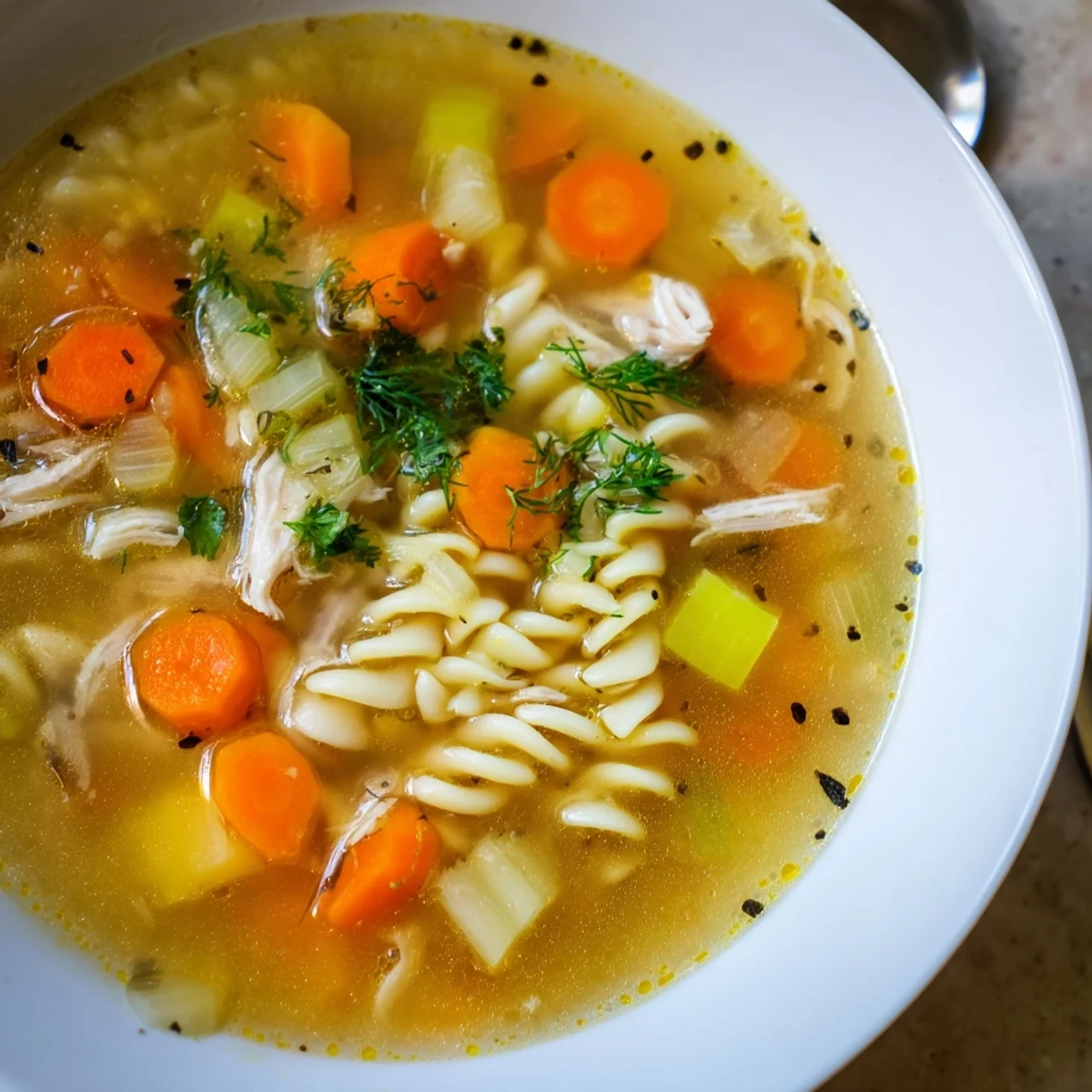
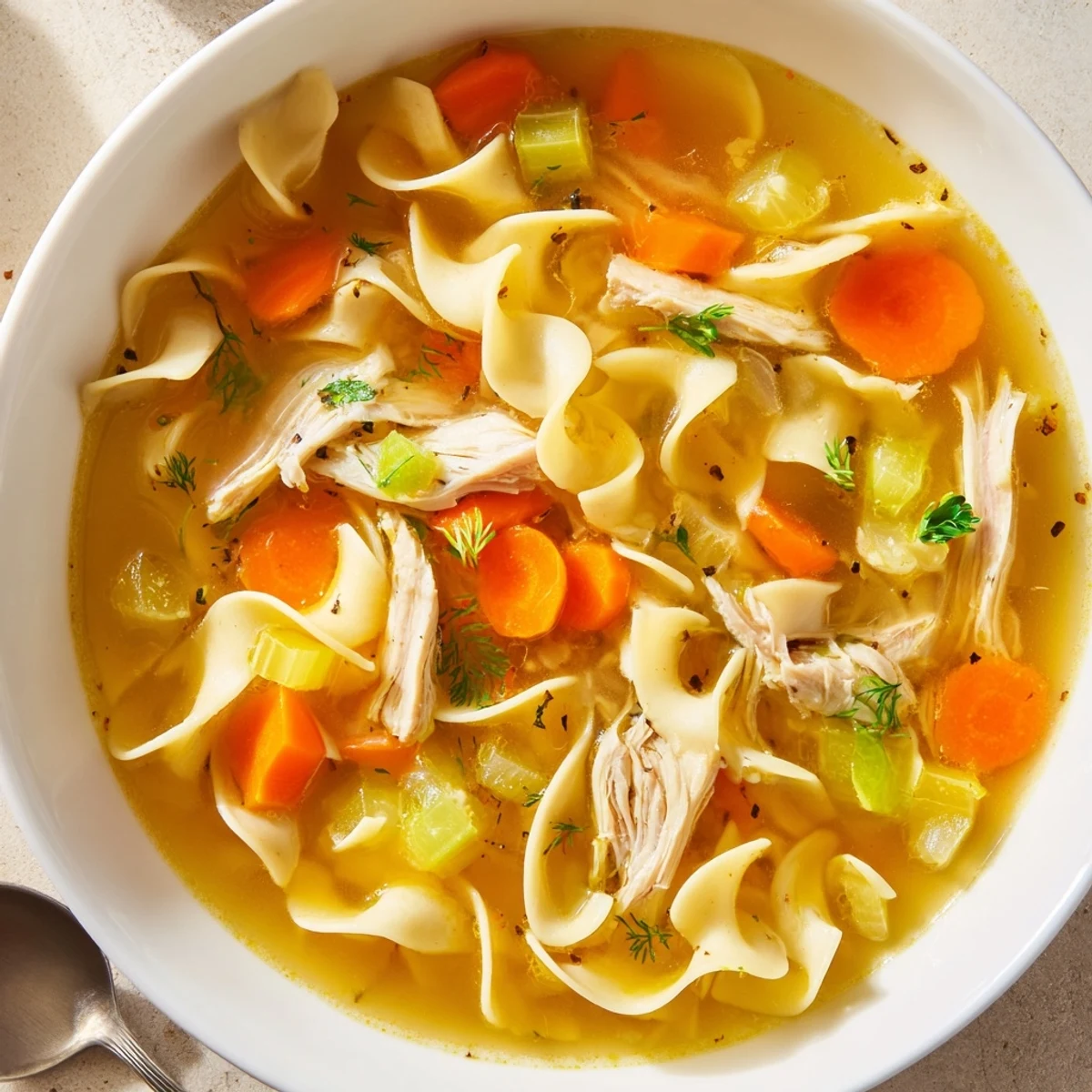
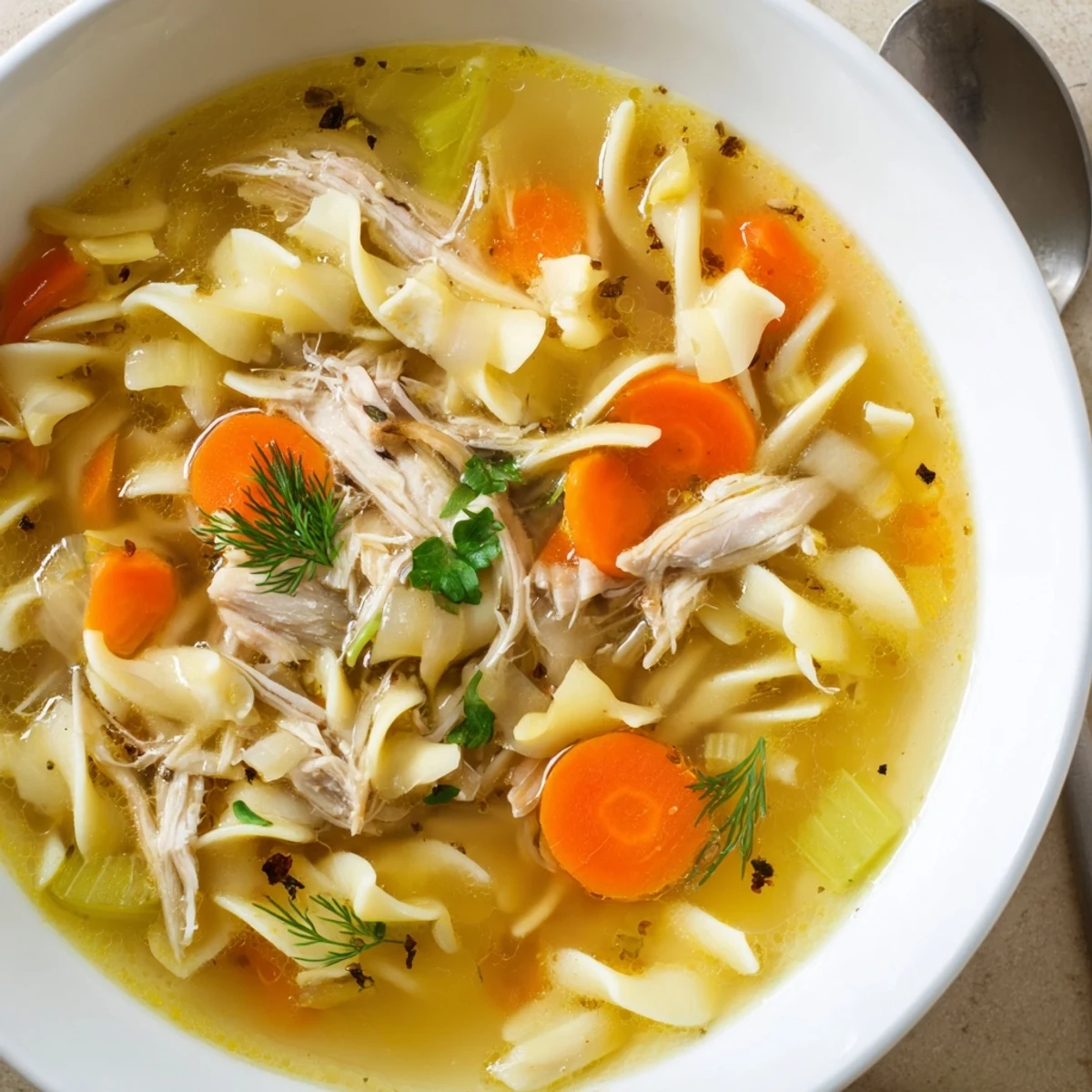
 This classic chicken soup begins with a whole bird or bone-in thighs simmered gently in cold water or low-sodium broth to extract deep flavor. Vegetables — carrots, celery, onion and optional parsnip — soften while bay leaves, peppercorns and thyme season the stock. Remove bones, shred the meat, add noodles or rice if desired, and finish with fresh parsley or dill. Simmer times create a clear, nourishing broth and tender meat; adjust salt to taste and serve hot.
The screen door slammed and my grandmother looked up from the stove, wooden spoon in hand, steam fogging the kitchen window above the sink. She never measured anything, that woman, just tossed and tasted and trusted her instincts. Thirty years later I still reach for a pot when someone I love needs comfort, and chicken soup is always the first thing I make.
One January my daughter came home from school with a red nose and a sore throat, dropped her backpack by the door, and whispered that all she wanted was soup. I had a whole chicken in the fridge and an hour to spare, and by the time she finished her homework the kitchen smelled like every safe place she had ever known.
Ingredients
- Whole chicken or bone in chicken pieces: About 1.2 kg cut into pieces, or 800 g of bone in, skin on thighs or breasts. The bones are everything here, they release collagen and flavor that make the broth golden and rich.
- Carrots: 3 medium ones, sliced into rounds. They add sweetness and a lovely color that makes the bowl inviting.
- Celery: 2 stalks, chopped. It builds the aromatic base along with the onion and carrots.
- Onion: 1 large, diced. Cook it until translucent and the whole kitchen starts to smell like home.
- Garlic: 3 cloves, minced. Add it after the vegetables have softened so it does not burn and turn bitter.
- Bay leaves: 2 leaves. Remember to fish them out before serving because biting into one is an unpleasant surprise.
- Parsnip: 1, peeled and sliced. Optional, but it adds a subtle earthy sweetness that people never guess is there.
- Cold water or low sodium chicken broth: 2 liters. Starting with cold liquid helps extract more flavor from the bones slowly.
- Whole black peppercorns: 1 teaspoon. Whole peppercorns give gentle warmth without gritty specks in every spoonful.
- Fresh parsley: 1 small bunch. Tied together so you can remove the stems easily later.
- Thyme: 1 teaspoon dried or 3 sprigs fresh. It pairs beautifully with chicken and makes the broth taste rounded and complete.
- Salt: 1 and a half teaspoons, plus more to taste. Season gradually and taste at the end because you can always add more but never take it away.
- Egg noodles or rice: About 150 g, entirely optional but deeply satisfying when you want something hearty.
- Fresh dill: Chopped, for garnish. A handful at the end brightens everything up beautifully.
Instructions
- Start the broth:
- Place the chicken pieces in a large pot and pour in the cold water or broth. Bring it to a gentle simmer over medium heat, and use a spoon or skimmer to remove any foamy scum that rises to the top. This step keeps your broth clean and clear.
- Build the flavor base:
- Add the carrots, celery, onion, garlic, parsnip if you are using one, bay leaves, peppercorns, thyme, and salt. Let everything simmer uncovered for 45 to 60 minutes until the chicken is cooked through and the vegetables are tender enough to pierce with a fork.
- Shred the chicken:
- Carefully lift the chicken pieces out of the pot and set them on a plate to cool slightly. Discard the skin and bones, then shred or chop the meat into bite sized pieces.
- Add noodles or rice:
- If you want something heartier, stir in the noodles or rice now and simmer for 8 to 10 minutes until tender. Drop the shredded chicken back into the pot to warm through.
- Season and serve:
- Taste the broth and add more salt or pepper if it needs it. Remove the bay leaves and herb stems, then ladle into bowls with a generous sprinkle of fresh parsley and dill on top.
 Pin to board
 The night I made this for a friend who had just lost her mother, we sat at the table in silence for a long time, spoons moving slowly, steam rising between us. She said nothing, and I said nothing, and somehow the soup said everything that words could not.
Making It Ahead
This soup actually tastes better the next day, which is a gift when you are cooking for a busy week. Let it cool completely, then store it in the fridge in a covered container for up to three days. If you added noodles, know that they will soak up broth overnight, so you might need to splash in a little water when you reheat.
Freezing For Later
I always freeze a few containers of this soup without the noodles so I have it ready when someone needs it. It keeps well for up to three months, and thawing it overnight in the fridge is the gentlest approach. Boil fresh noodles right before serving and everyone thinks you made it from scratch that day.
What To Serve Alongside
A chunk of crusty bread for dipping is never a bad idea, and a glass of crisp Sauvignon Blanc turns a simple bowl into a proper meal. On colder nights I add a simple green salad with lemon vinaigrette to keep things fresh. The contrast between the warm, rich broth and something bright on the side is lovely.
- Toast a slice of sourdough and rub it with a cut garlic clove for the easiest upgrade.
- Crack fresh black pepper over the bowl right at the table for a little kick.
- Always taste the broth one last time before serving because a pinch of salt at the end can transform the whole pot.
 Pin to board
 Some recipes you follow and some recipes you carry, and this one has been in my kitchen longer than most of the furniture. Make it once and it becomes yours, too.
Recipe FAQs
- → Can I use chicken thighs instead of a whole chicken?
-
Yes. Bone-in, skin-on thighs provide rich flavor and usually cook faster than a whole bird. Simmer gently for 40–50 minutes until the meat is tender and easily pulls from the bone.
- → How can I keep the soup gluten-free?
-
Use rice or certified gluten-free noodles and check labels on broth and seasonings. Avoid standard egg noodles unless they are labeled gluten-free.
- → What boosts broth depth and clarity?
-
Sautéing the vegetables first or roasting the bones adds depth. Starting with cold water and simmering gently helps extract flavor while keeping the broth clear; skim foam as it rises.
- → How should leftovers be stored and reheated?
-
Cool quickly and refrigerate in airtight containers for 3–4 days, or freeze up to three months. Reheat gently over low heat to preserve texture and clarity of the broth.
- → When should I add noodles or rice?
-
Add noodles or rice in the final 8–10 minutes of cooking so they become tender without overcooking. If planning to store leftovers, consider cooking grains separately to prevent them from absorbing all the broth.
- → Can I substitute fresh herbs for dried thyme?
-
Yes. Use roughly three times the amount of fresh herbs in place of dried. Add fresh thyme and parsley toward the end of cooking to preserve their bright flavor.