
 Pin to board
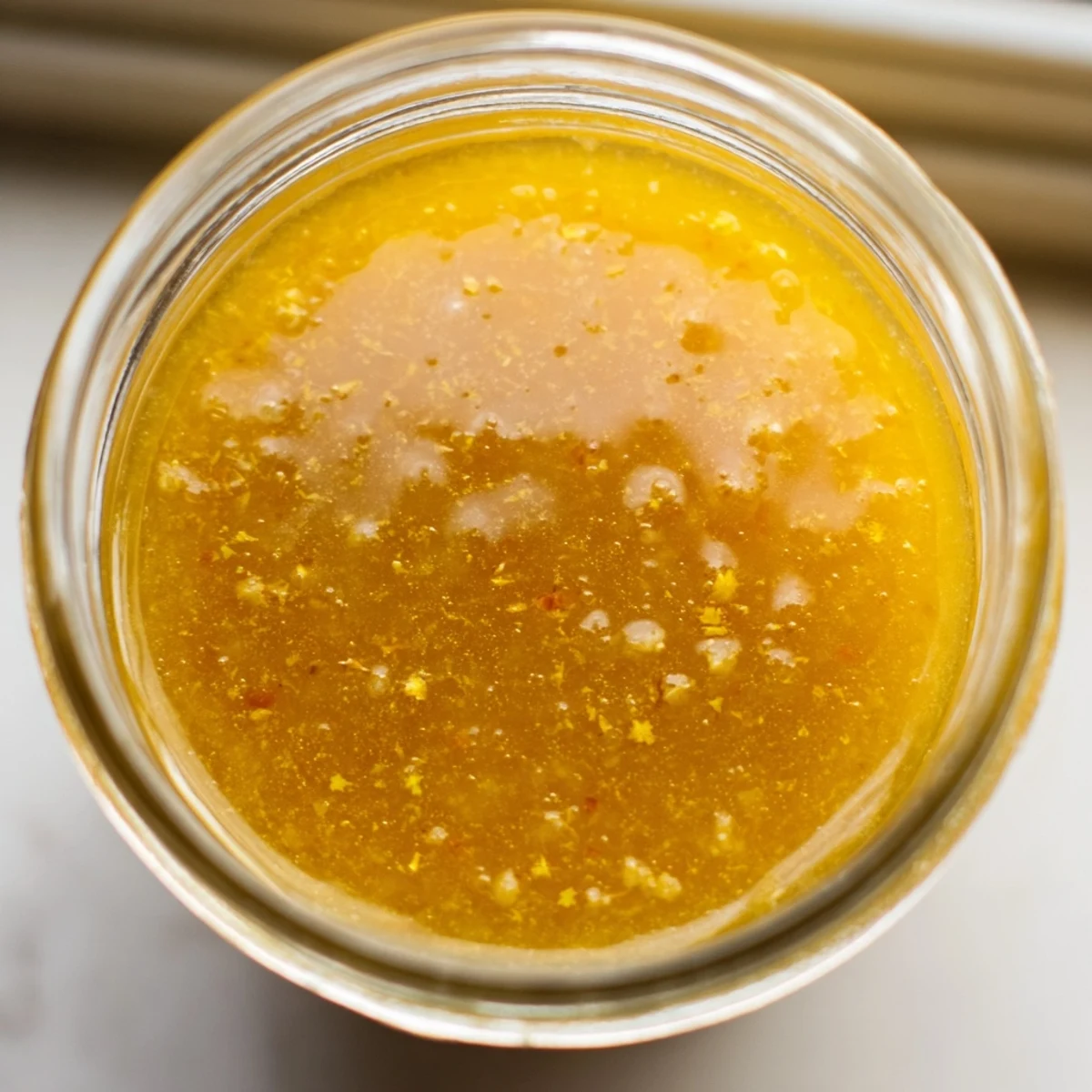
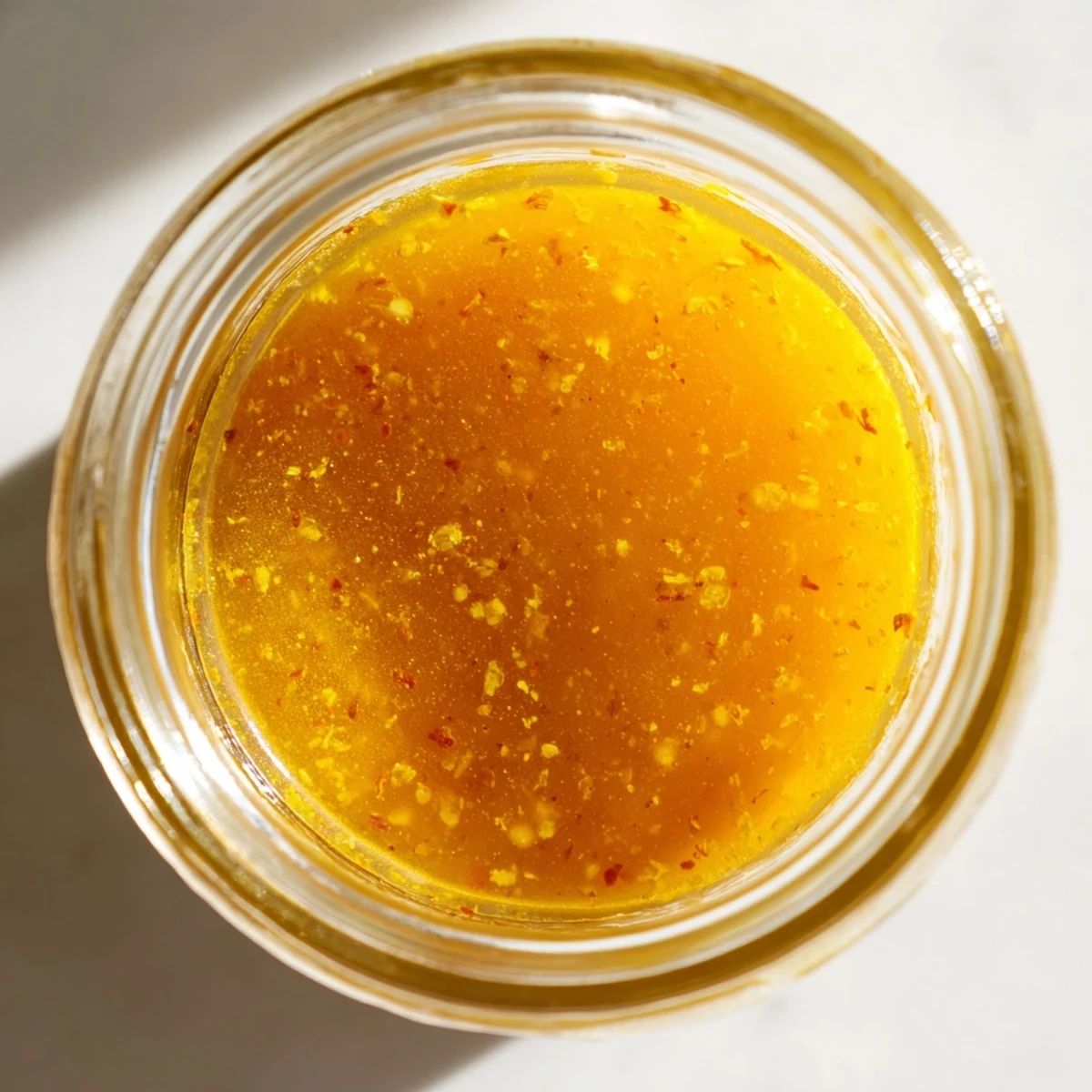
 This vibrant citrus vinaigrette combines fresh orange, lemon, and lime juices with premium olive oil and a hint of honey for balanced sweetness. The emulsified dressing delivers a bright, zesty finish that elevates simple salads, roasted vegetables, and grilled seafood. Ready in just 10 minutes, this versatile condiment keeps for up to a week in the refrigerator.
The first time I made this citrus vinaigrette, I was trying to save a sad bag of mixed greens that had been sitting in my crisper drawer for three days. The dressing transformed everything—suddenly I wasn't just eating wilted lettuce, I was eating restaurant salad.
Last summer I brought a mason jar of this to a friend's patio dinner. By the end of the night, people were dipping bread into the leftover dressing pooled on their plates. That's when I knew it wasn't just salad dressing anymore.
Ingredients
- Fresh orange juice: Provides natural sweetness and body that bottled juice can't replicate
- Fresh lemon juice: Adds bright acidity that cuts through rich ingredients
- Fresh lime juice: Brings a tropical note that keeps things interesting
- White wine vinegar: Sharpens the citrus flavors and helps the dressing cling to leaves
- Honey or maple syrup: Just enough to balance the acid without making it taste like dessert
- Extra virgin olive oil: The foundation that carries all those bright flavors
- Garlic clove: Finely minced so it disperses evenly without overwhelming bites
- Dijon mustard: The secret ingredient that helps everything emulsify into silky perfection
- Kosher salt and black pepper: Essential for waking up all the citrus notes
- Citrus zest: Optional but worth it for those aromatic oil pockets that burst on your tongue
Instructions
- Whisk your base:
- Combine the citrus juices, vinegar, honey, minced garlic, Dijon, salt, pepper, and zest in a medium bowl until the honey dissolves completely.
- Emulsify like you mean it:
- Drizzle the olive oil agonizingly slowly while whisking furiously—the mixture should turn cloudy and thicken slightly, which means you've won.
- Taste and trust yourself:
- Dip a leaf of lettuce into the dressing and adjust anything that feels off, knowing you can always add more salt or a squeeze of citrus.
- Store or share immediately:
- Pour into a sealed jar and refrigerate for up to a week, but bring it to room temperature and shake vigorously before using.
 Pin to board
 My sister now keeps a jar of this in her fridge at all times. She texts me photos of her breakfast avocado toast drizzled with it, which I never saw coming but honestly support completely.
Making It Your Own
I've discovered that swapping lime zest for the lemon zest gives the whole thing a completely different personality. Sometimes I add a pinch of Aleppo pepper when I want something that whispers rather than shouts heat.
Beyond The Salad Bowl
This vinaigrette has become my secret weapon for roasted vegetables and grain bowls. Last week I drizzled it over grilled salmon and wondered why I ever bother with any other sauce.
Storage Truths
The flavors actually develop after a day in the fridge, which is rare for homemade dressings. Just give it thirty minutes on the counter and a good shake before you use it.
- Make a double batch because it will disappear faster than you expect
- Label your jar with the date so you can track its week-long lifespan
- If the olive oil solidifies slightly in the cold fridge, that's quality oil doing its thing
 Pin to board
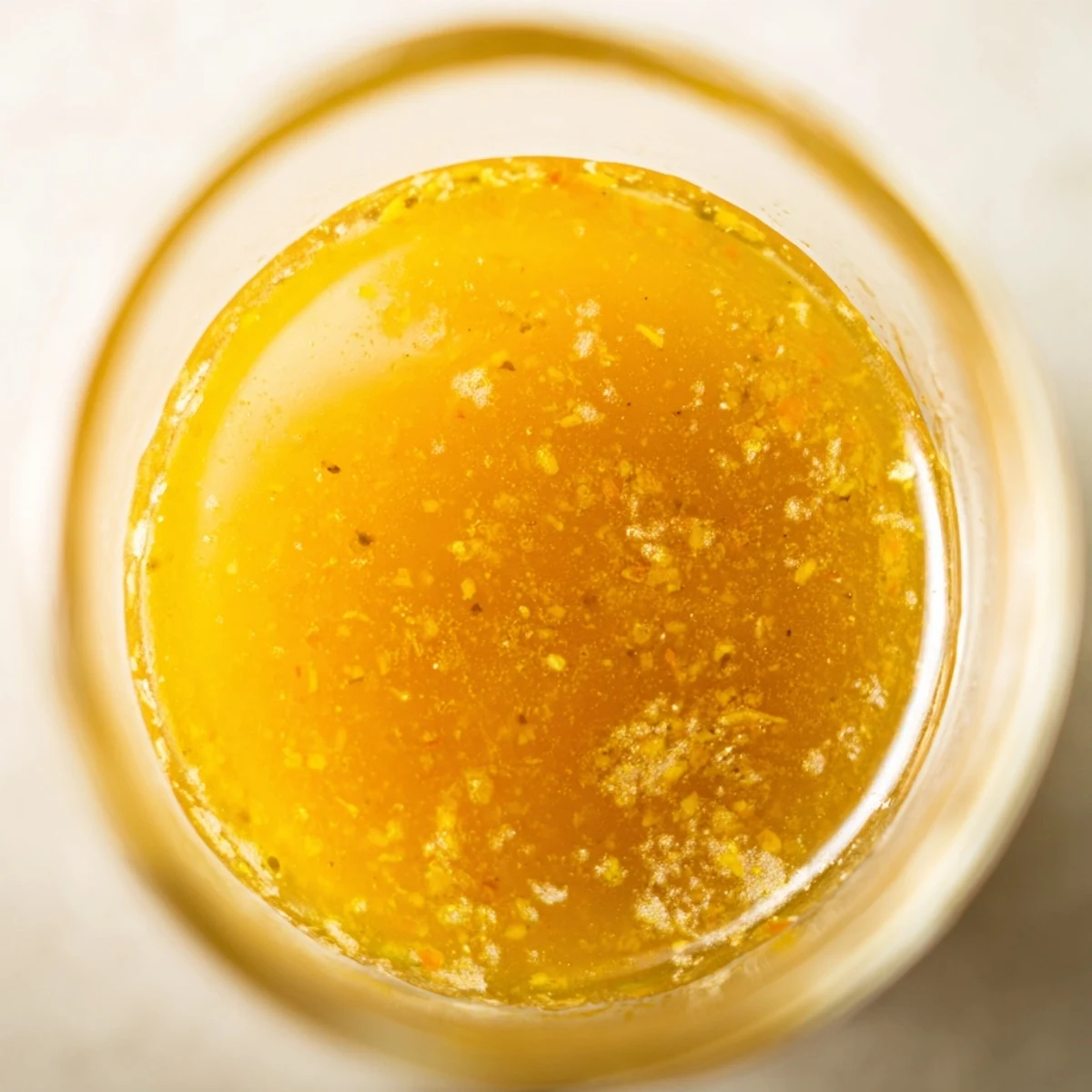
 Sometimes the simplest recipes are the ones that transform how you cook, and this bright little jar has been doing exactly that in my kitchen for years now.
Recipe FAQs
- → How long does homemade citrus vinaigrette last?
-
When stored in a sealed jar in the refrigerator, this vinaigrette stays fresh for up to one week. The olive oil may solidify slightly when cold—simply let it sit at room temperature for a few minutes and shake well before serving.
- → Can I make this vinaigrette ahead of time?
-
Absolutely. In fact, making this dressing a day ahead allows the flavors to meld beautifully. The garlic and citrus zest will infuse more deeply into the oils and juices, resulting in a more complex taste profile.
- → What's the secret to a properly emulsified vinaigrette?
-
The key is whisking continuously while slowly drizzling in the olive oil. Dijon mustard acts as an emulsifier, helping the oil and citrus juices bind together. Add the oil drop by drop at first, then in a thin steady stream until thickened.
- → Can I substitute different citrus fruits?
-
Yes, this formula is quite flexible. Try grapefruit or blood orange for a sweeter profile, or increase lime juice for more tang. The key is maintaining the balance of acid to oil—roughly one part acid to two parts oil works well.
- → Is this vinaigrette suitable for specific dietary needs?
-
This dressing is naturally vegetarian, gluten-free, and dairy-free. To make it vegan, simply swap the honey for maple syrup. It's also free from common allergens, though those with mustard sensitivity should take note of the Dijon.
- → What dishes pair best with citrus vinaigrette?
-
The bright acidity complements mixed green salads with fruit or nuts, grain bowls with quinoa or farro, grilled fish like salmon or halibut, and roasted vegetables such as asparagus or Brussels sprouts. It also works beautifully as a marinade for chicken or shrimp.