
 Pin to board
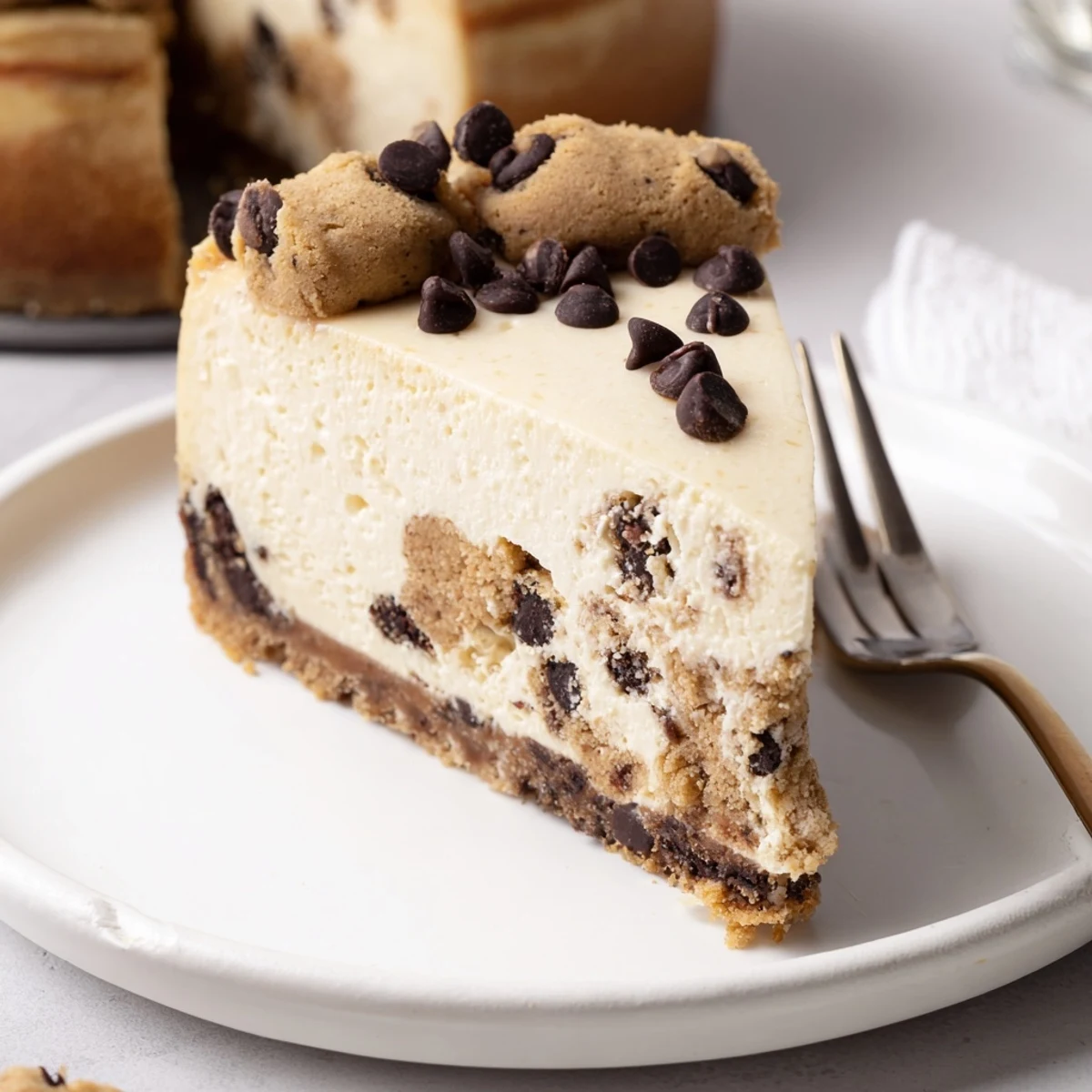
 This indulgent cheesecake begins with a pressed chocolate cookie crust and marble-sized chocolate chip cookie dough balls made using heat-treated flour. A smooth cream cheese, sugar, eggs and sour cream filling is layered around the dough. Bake at 160°C (325°F) for 55–65 minutes until edges set, cool in the oven, then chill at least 4 hours. Finish with extra chips or toasted pecans.
The unmistakable aroma of freshly baked cookies always made me pause, but the first time I tasted a cheesecake studded with bites of actual cookie dough, I nearly dropped my fork in delight. Sometimes dessert is less about restraint and more about sheer fun — and this Chocolate Chip Cookie Dough Cheesecake is the best kind of mischief. Picture the symphony of textures: creamy filling, dots of buttery dough, and a crisp crust, all in a single forkful. The secret is that I made this on a dreary Tuesday just to brighten an otherwise ordinary week.
Once, I brought this cheesecake to a summer potluck, and someone asked if I'd brought both cookies and cake. When they realized it was all in one slice, I've never seen dessert disappear faster. Even my cousin, who claims not to have a sweet tooth, went back for seconds. Laughter followed every crumb left behind on the plates that day.
Ingredients
- Chocolate sandwich cookies: Smash them finely for the best textured crust, and scraping the cream out first is entirely up to you.
- Unsalted butter: Blending this melted into the cookie crumbs turns crumbles into a sturdy base; make sure it’s fully melted for even mixing.
- Brown sugar: This gives the cookie dough its characteristic chew and depth; pack it into your measuring cup for accuracy.
- Granulated sugar: Both the dough and cheesecake rely on it for balance; sift to avoid lumps in the batter.
- All-purpose flour (heat-treated): Essential for safe-to-eat cookie dough; don’t skip that five-minute oven step!
- Mini chocolate chips: Their tiny size means more chocolate in every bite; freeze them if your kitchen is warm to keep dough firm.
- Milk: Loosens up the dough, so it shapes easily and stays soft inside the cheesecake.
- Vanilla extract: Just a teaspoon brings warmth and nostalgia through all the layers.
- Cream cheese: Let it soften completely for silky filling; rushing this step makes for lumpy cheesecake.
- Eggs: Add them one at a time to prevent the batter from curdling and ensure a smooth bake.
- Sour cream: Yes, it matters — adds tang and keeps the cheesecake extra creamy.
- Salt: Just a pinch in the cookie dough sharpens every flavor.
Instructions
- Set up your pan:
- Preheat your oven to 160°C (325°F), grease your springform with a bit of butter, and line just the base with parchment so nothing sticks.
- Crush and form the crust:
- Blend the chocolate sandwich cookies into fine crumbs and stir in melted butter until the texture feels like damp sand. Press this evenly into your pan using the bottom of a glass, then pop it in the freezer while you work on the next step.
- Mix up the cookie dough:
- Cream together softened butter and both sugars until fluffy and light — this should sound like soft rustling as you scrape the bowl. Stir in the milk and vanilla, then gently work in your heat-treated flour, salt, and mini chocolate chips; roll most of the dough into marble-sized balls and set them in the fridge.
- Whip up the cheesecake batter:
- Beat cream cheese and sugar until there’s not a lump in sight, adding eggs one at a time and scraping down often. Mix in the sour cream, vanilla, and flour just until blended — the batter will feel thick and glossy.
- Assemble the layers:
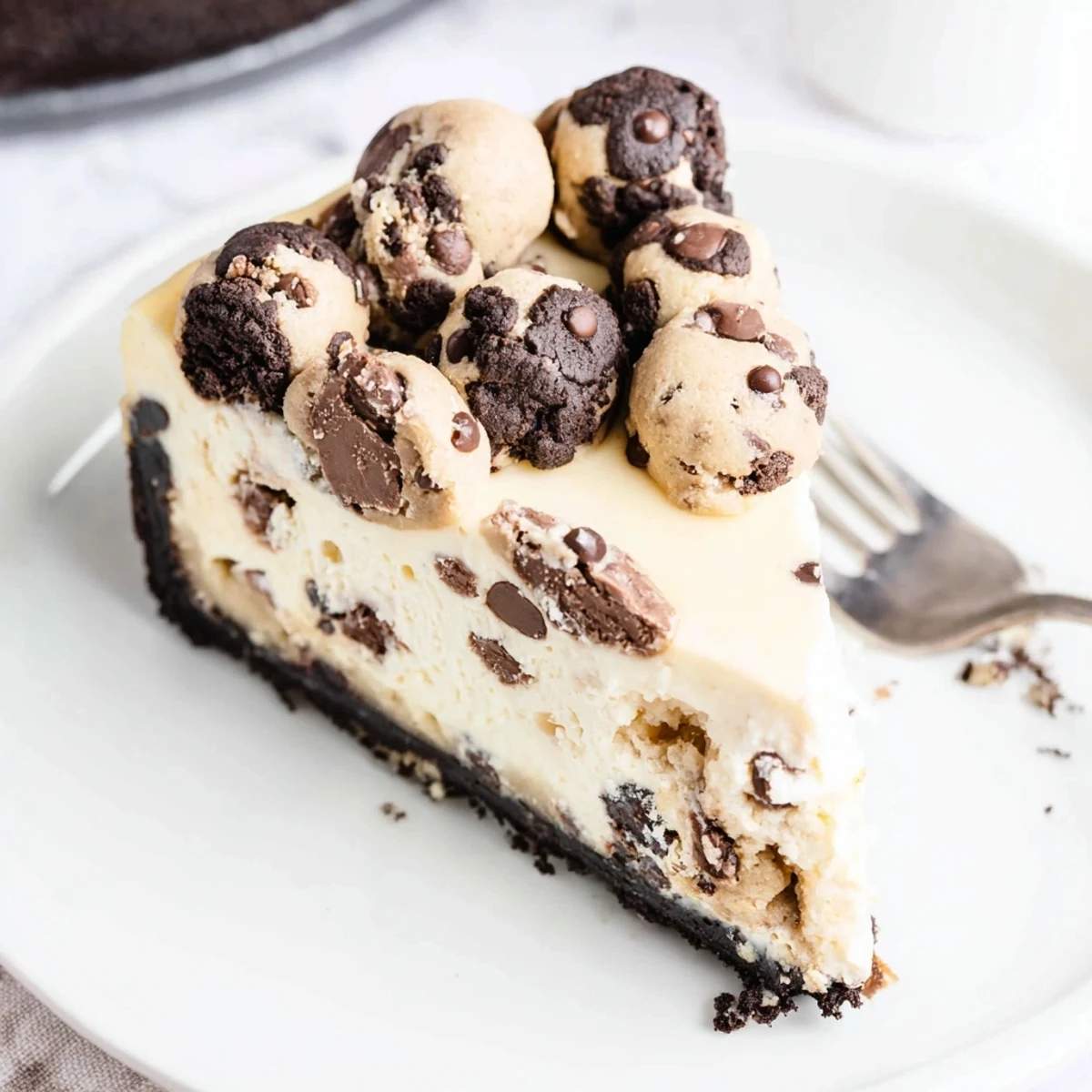
- Pour half the cheesecake batter over your frozen crust, dot with half the cookie dough balls, then gently top with the rest of the batter. Decorate by tucking the remaining dough balls over the top and smooth the surface for even baking.
- Bake with patience:
- Bake 55-65 minutes until the edge is set and the center gives just a faint wobble; turn off the oven, crack the door, and let it rest inside for an hour to avoid cracks.
- Chill and finish:
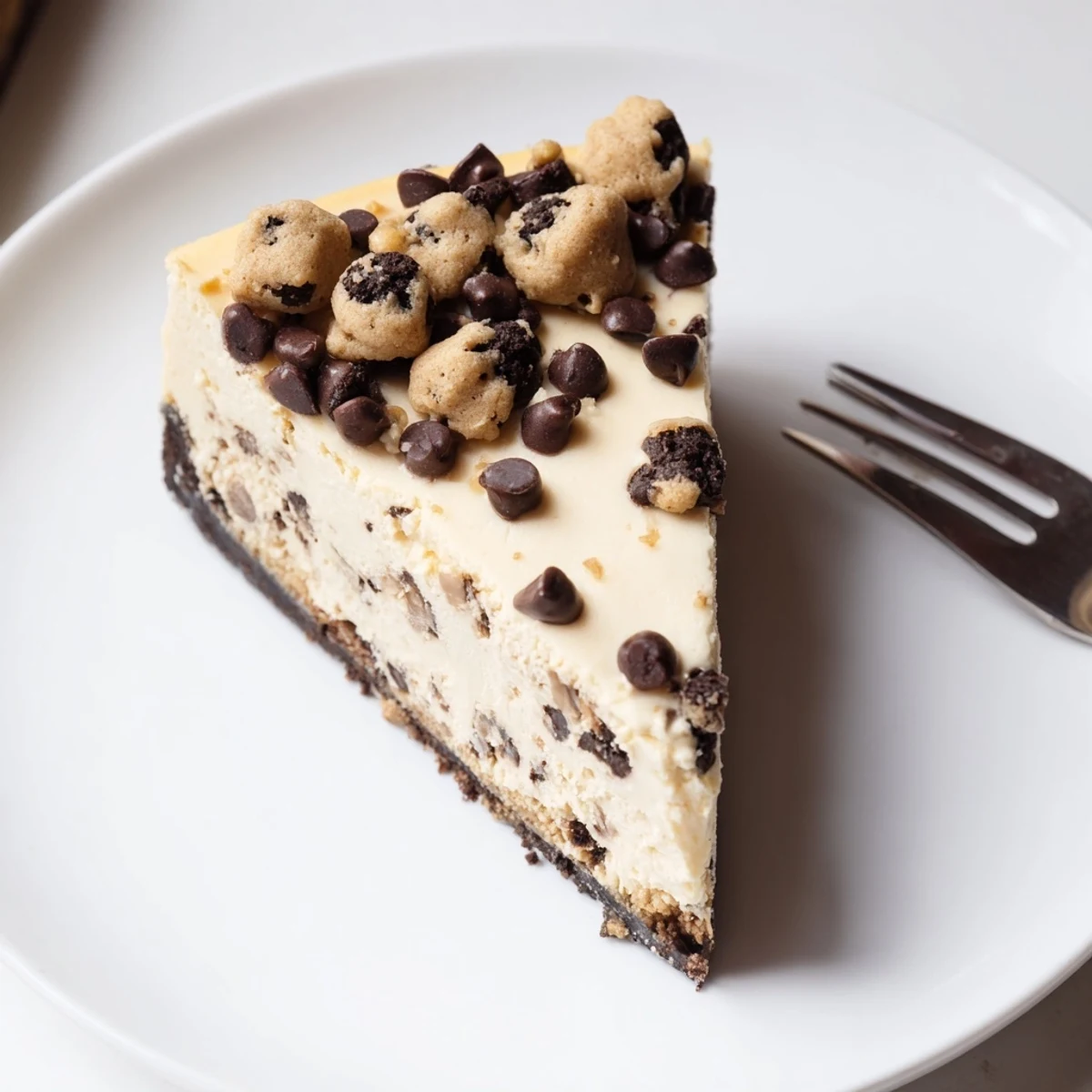
- Let your cheesecake cool fully at room temperature, then refrigerate for at least four hours — overnight if you can resist. Scatter mini chocolate chips and spare cookie dough balls over the top before slicing and serving chilled.
 Pin to board
 After one late-night baking session, my roommate and I sliced into the cheesecake before it had fully chilled. We ended up eating the leftovers straight from the fridge the next day, giggling over just how much better the texture had become.
How to Keep the Cookie Dough Safe
I learned to never skip heat-treating the flour — a few extra minutes in the oven means you can nibble the dough without worry. The taste and texture don’t change, but that peace of mind is worth it every time.
Ideas for Finishing Touches
A quick drizzle of chocolate sauce or scattering a handful of mini chips on top instantly dress up the cake for special occasions. Sometimes I even swirl a bit of caramel through the top layer just before baking, and it’s always a hit.
Troubleshooting for Fuss-Free Cheesecake
If the cake cracks or dips, don’t stress — just cover with a thick layer of cookie dough balls or extra chips, and no one will notice. Opening the oven door during those last minutes is the only time you’ll catch a strong waft of chocolate and sweet cream, so savor it.
- Don’t rush cooling or the texture can turn gummy.
- Refrigerate overnight for the creamiest results.
- Make sure to use a sharp knife for flawless slices.
 Pin to board
 Whether you’re baking to impress or simply indulging at home, this cheesecake is pure joy in every bite. Don’t be surprised if there isn’t a crumb left to save.
Recipe FAQs
- → How should I heat-treat the flour for the cookie dough?
-
Spread flour in a thin layer on a baking sheet and bake at 160°C (325°F) for about 5 minutes, then cool completely. Alternatively, microwave in short bursts, stirring between intervals until the internal temperature is safe. Cool before mixing into the dough.
- → Why might the cheesecake crack and how can I avoid it?
-
Cracks come from overbeating, high oven heat, or rapid cooling. Beat just until smooth, bake at a low steady temperature, and cool with the oven door ajar for an hour to reduce shock. Chilling fully also helps stabilize the surface.
- → Is the cookie dough safe to eat as written?
-
The cookie dough here contains no raw egg, but must use heat-treated flour to be safe. Keep dough chilled and use within a few days, or freeze dough balls for longer storage.
- → How can I prevent a soggy crust?
-
Press the chocolate cookie crumbs firmly into the pan and chill or freeze before adding the filling to set the fats. Use the specified butter ratio and avoid excess moisture in the filling; a brief blind bake or longer initial chill helps too.
- → How should I store leftovers and how long do they keep?
-
Cover and refrigerate slices for up to 3–4 days. For longer storage, wrap tightly and freeze up to 2 months; thaw overnight in the fridge. Add fresh chips just before serving for best texture.
- → What easy substitutions work in this dish?
-
Swap toasted pecans into the dough for crunch, use gluten-free cookie crumbs for the crust and a suitable GF flour for the dough (still heat-treat), or try a lactose-free cream cheese and sour cream alternative for dairy-free needs.