
 Pin to board
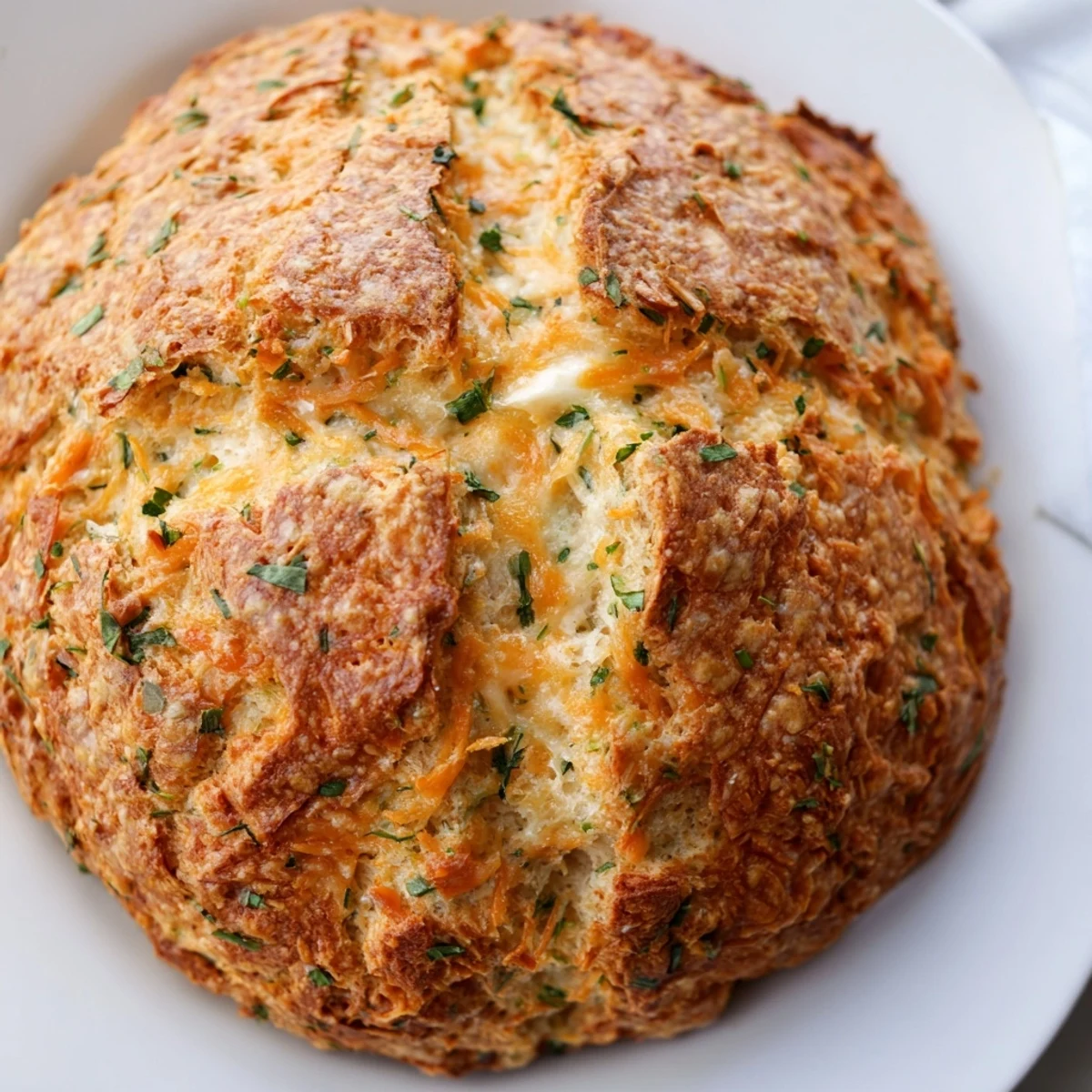
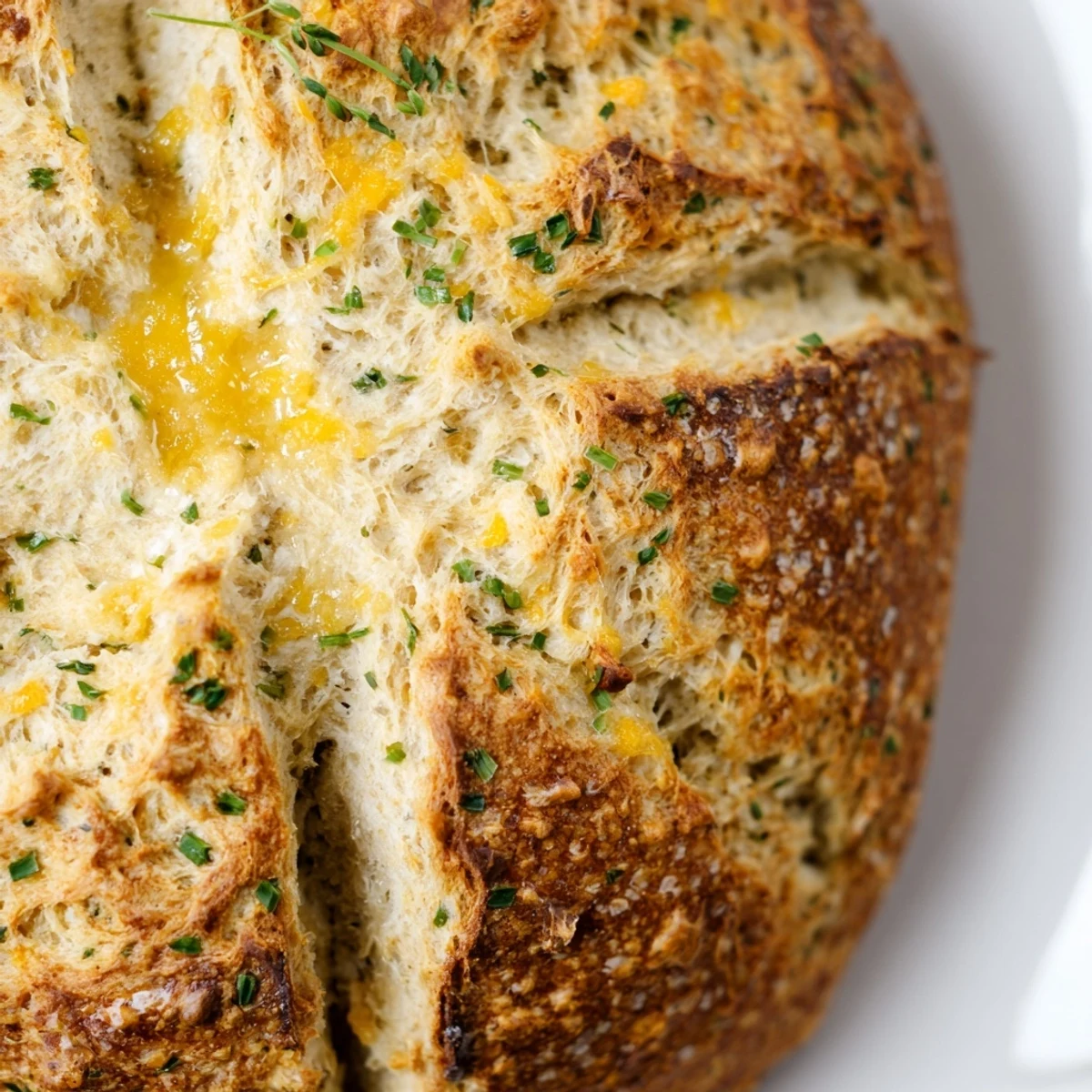
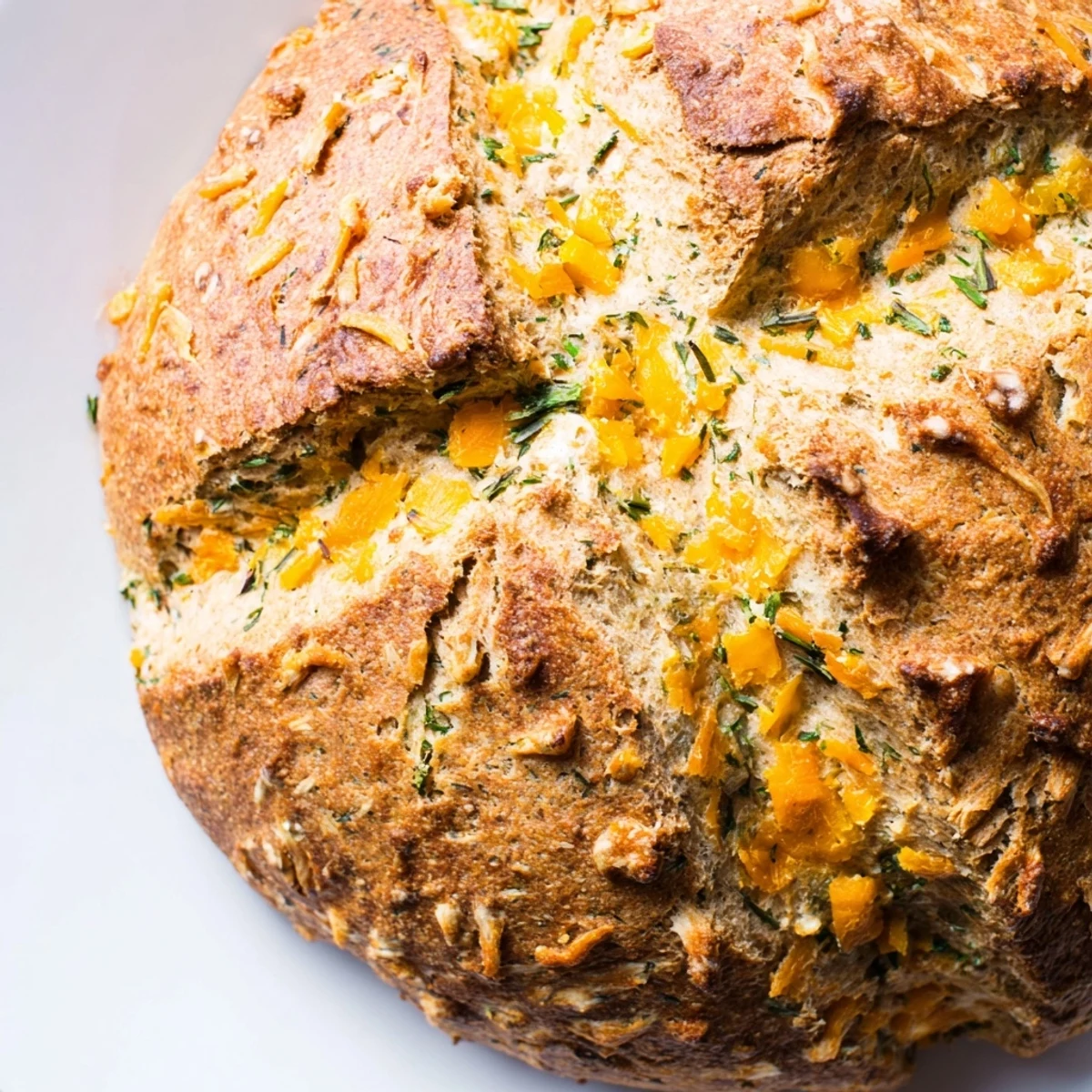
 This traditional Irish quick bread comes together in minutes without any yeast or kneading. Sharp cheddar melts throughout tender crumb while fresh chives, parsley, and thyme add fragrant depth. The crust bakes golden and crisp, perfect for slathering with butter while still warm. Serve alongside hearty soups, stews, or enjoy as part of a breakfast spread.
There was this rainy Tuesday when my tiny apartment smelled like butter and melting cheese for hours. I had no yeast but serious carb cravings, so soda bread became my rescue mission. The first time I cut into that steaming loaf, cheddar everywhere, I knew quick breads would never be boring again.
My roommate walked in while this was baking and literally asked what restaurant I had ordered from. We ate half the loaf standing right there in the kitchen, tearing off pieces while it was too hot to touch. Now it is my go-to when someone drops by unexpectedly or soup needs a serious upgrade.
Ingredients
- All-purpose flour: The backbone that gives structure without needing any rising time
- Salt: Essential for flavor balance, do not skimp here
- Baking soda: Your leavening agent that reacts with buttermilk for lift
- Freshly ground black pepper: Adds a subtle warmth that plays beautifully with cheese
- Sharp cheddar cheese: The star of the show, coarsely grated for better texture distribution
- Fresh chives: Mild onion flavor that complements without overwhelming
- Fresh parsley: Bright freshness that cuts through the richness
- Fresh thyme leaves: Earthy notes that make it taste professionally seasoned
- Buttermilk: The acidic liquid that activates baking soda and keeps bread tender
- Unsalted butter, melted: Brushed on top for that gorgeous golden finish
Instructions
- Get your oven ready:
- Preheat to 425°F and line a baking sheet with parchment paper so nothing sticks later
- Mix the dry foundation:
- Whisk flour, salt, baking soda, and pepper in a large bowl until everything is evenly distributed
- Add the good stuff:
- Toss in grated cheddar, chives, parsley, and thyme, mixing until cheese and herbs are scattered throughout
- Bring it together:
- Create a well in the center, pour in buttermilk and melted butter, then stir with a fork until dough just comes together
- Shape your loaf:
- Turn dough onto a floured surface and gently form it into a round about 7 inches across and 2 inches high
- Make your mark:
- Use a sharp knife to cut a deep cross on top of the loaf, this helps it bake evenly
- Finish with butter:
- Brush the top lightly with extra melted butter if you want maximum golden color
- Bake until perfect:
- Bake for 30 to 35 minutes until deep golden brown and the bottom sounds hollow when tapped
- Cool and serve:
- Let it rest on a wire rack for at least 15 minutes before slicing, though tearing into it warm is tempting
 Pin to board
 This bread has become my Sunday ritual, something easy but special that makes the whole week feel better. There is something magical about transforming basic ingredients into something so comforting in under an hour.
Choosing Your Cheese
Sharp cheddar gives the best flavor punch, but I have mixed in smoked cheddar or a bit of gruyère when feeling fancy. The key is grating it yourself since pre-shredded cheese has anti-caking agents that mess with the texture.
Fresh vs Dried Herbs
Fresh herbs make this bread sing, but dried thyme works in a pinch. Use about one third the amount if going with dried herbs since their flavor is more concentrated.
Serving Ideas
This bread pairs perfectly with tomato soup, makes incredible grilled cheese sandwiches, and elevates any breakfast spread alongside scrambled eggs. The leftovers also toast beautifully the next morning.
- Wrap leftovers tightly and eat within 2 days for best texture
- Try swapping in dill or rosemary for a completely different vibe
- Freeze slices if you cannot finish the loaf in time
 Pin to board
 There is something deeply satisfying about homemade bread that does not ask for much in return. Hope this recipe finds its way into your regular rotation too.
Recipe FAQs
- → Can I use dried herbs instead of fresh?
-
Yes, substitute dried herbs using one-third the amount. Use 1 teaspoon dried thyme, 1 teaspoon dried chives, and 1½ teaspoons dried parsley in place of fresh.
- → What can I substitute for buttermilk?
-
Make a buttermilk substitute by adding 1 tablespoon white vinegar or lemon juice to 1⅔ cups milk. Let stand 5 minutes before using. Alternatively, use plain thinned yogurt.
- → Why did my loaf turn out dense?
-
Overmixing develops gluten and creates dense texture. Stir only until flour is just moistened and dough barely holds together. Shape gently without excessive handling.
- → How do I know when it's done baking?
-
The loaf should sound hollow when tapped on the bottom and the crust will be deep golden brown. An instant thermometer inserted in the center should read 190-200°F.
- → Can I add other mix-ins?
-
Absolutely. Try minced garlic, caramelized onions, crumbled bacon, or sun-dried tomatoes. Smoked cheddar or gruyère adds wonderful depth. Keep total add-ins under 2 cups to maintain structure.
- → How should I store leftovers?
-
Wrap tightly in plastic or place in an airtight container at room temperature for up to 2 days. For longer storage, freeze sliced portions in freezer bags for up to 3 months. Reheat warm in a 350°F oven.