
 Pin to board
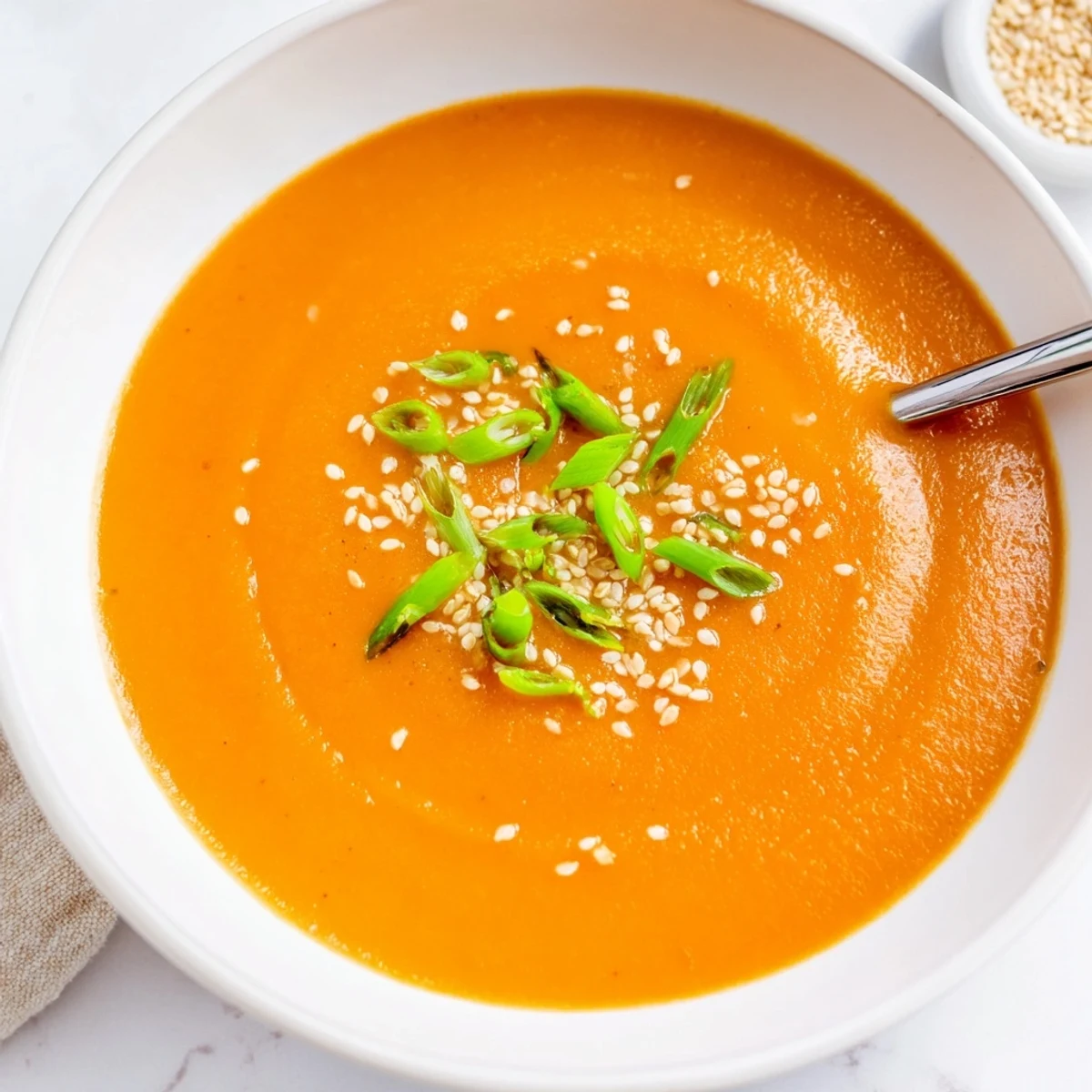
 Start by sautéing onion in olive oil until translucent, then add garlic and grated ginger. Stir in sliced carrots, pour in vegetable broth and simmer until very tender (18–20 minutes). Puree until smooth, then dissolve white miso in a ladle of hot soup and fold back in off the heat — do not boil. Finish with soy sauce, adjust seasoning, and garnish with scallions or toasted sesame; add a splash of coconut milk for extra creaminess.
The rain was hammering against the kitchen window so hard I could barely hear the pot bubbling on the stove, and honestly that was exactly the kind of afternoon that demanded soup.
My neighbor stopped by once when I was making this and ended up sitting at the counter for forty minutes, eating two bowls and asking if I could teach her Japanese cooking, which felt generous given the recipe has about six steps.
Ingredients
- 1 lb (450 g) carrots, peeled and sliced: The sweeter the carrots, the more velvety the soup becomes, so pick ones that look vibrant and firm.
- 1 medium onion, diced: Any onion works but a yellow one gives the gentlest sweetness that melts right into the background.
- 2 garlic cloves, minced: Fresh garlic matters here because there are so few ingredients and each one has to pull its weight.
- 1 inch (2.5 cm) piece fresh ginger, peeled and grated: Do not skip peeling it because the tough skin will leave stringy bits in an otherwise silky soup.
- 4 cups (1 L) vegetable broth: A good quality broth makes a noticeable difference since this soup leans on it heavily.
- 2 tbsp white miso paste: White miso is milder and sweeter than darker varieties, which lets the carrot flavor shine through.
- 1 tbsp olive oil: Just enough to soften the onions without making the soup feel heavy.
- 1 tbsp soy sauce (use tamari for gluten free): A small splash rounds out the umami and ties everything together beautifully.
- Salt and pepper, to taste: Taste at the end because miso and soy sauce already bring salt to the party.
- 2 scallions, thinly sliced (optional garnish): The fresh green bite on top is a lovely contrast to the rich pureed base.
- 1 tbsp toasted sesame seeds (optional garnish): They add a quiet crunch that makes each spoonful a little more interesting.
Instructions
- Wake up the onions:
- Heat the olive oil in a large pot over medium heat and cook the diced onions for 3 to 4 minutes until they turn soft and translucent, stirring occasionally so they sweeten without coloring.
- Bloom the aromatics:
- Add the minced garlic and grated ginger, stirring constantly for about a minute until your kitchen smells warm and alive and you cannot help but lean over the pot.
- Warm the carrots:
- Toss in the sliced carrots and cook them for 2 minutes, just enough to coat them in the fragrant oil and get the edges softening.
- Simmer until tender:
- Pour in the vegetable broth, bring everything to a boil, then lower the heat and let it bubble gently for 18 to 20 minutes until the carrots collapse when you press them with a spoon.
- Blend until silky:
- Take the pot off the heat and use an immersion blender to puree until completely smooth, or work in careful batches with a standard blender, holding a towel over the lid for safety.
- Add the miso gently:
- Scoop a ladleful of hot soup into a small bowl and whisk the miso paste into it until dissolved, then pour that mixture back into the pot and stir in the soy sauce.
- Season and serve:
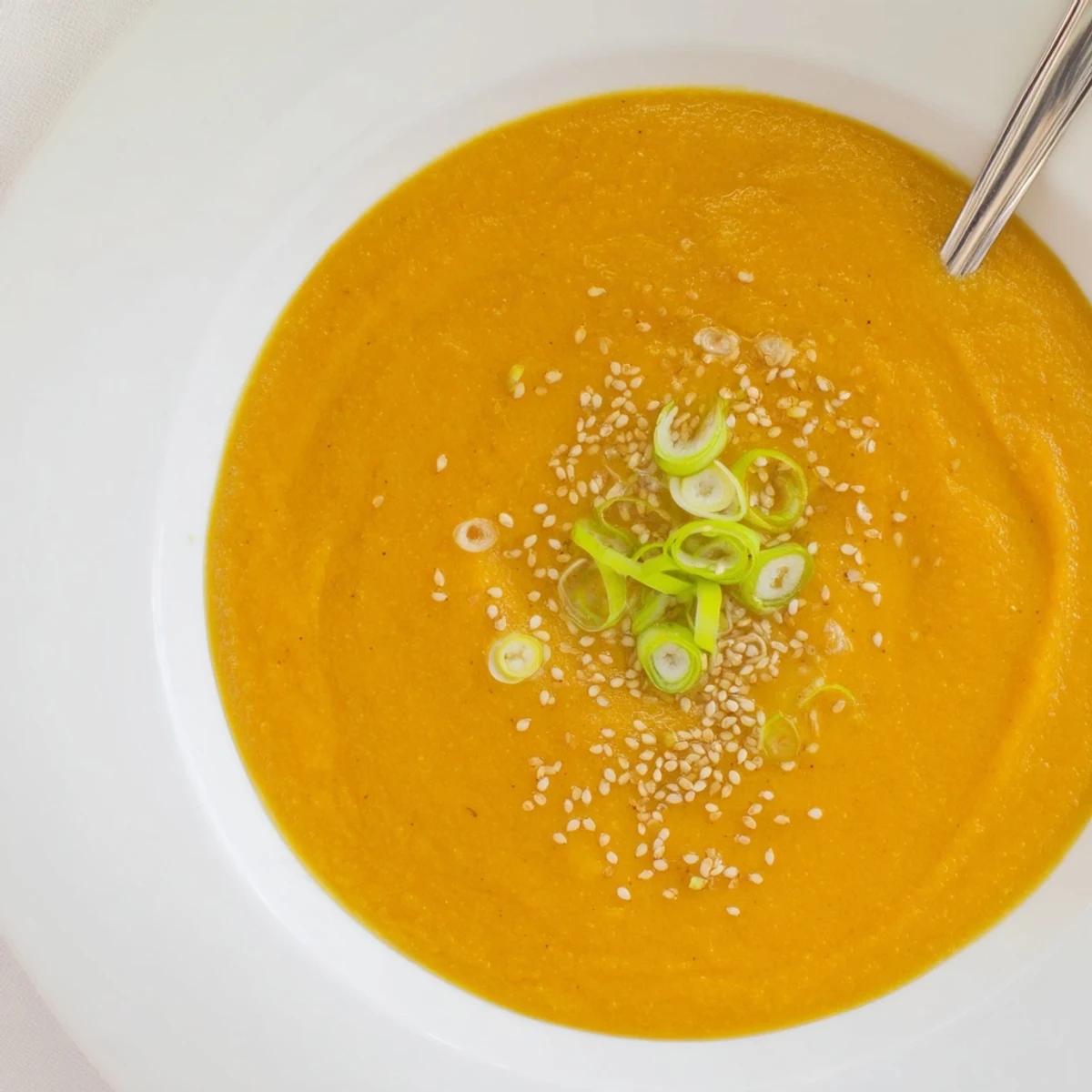
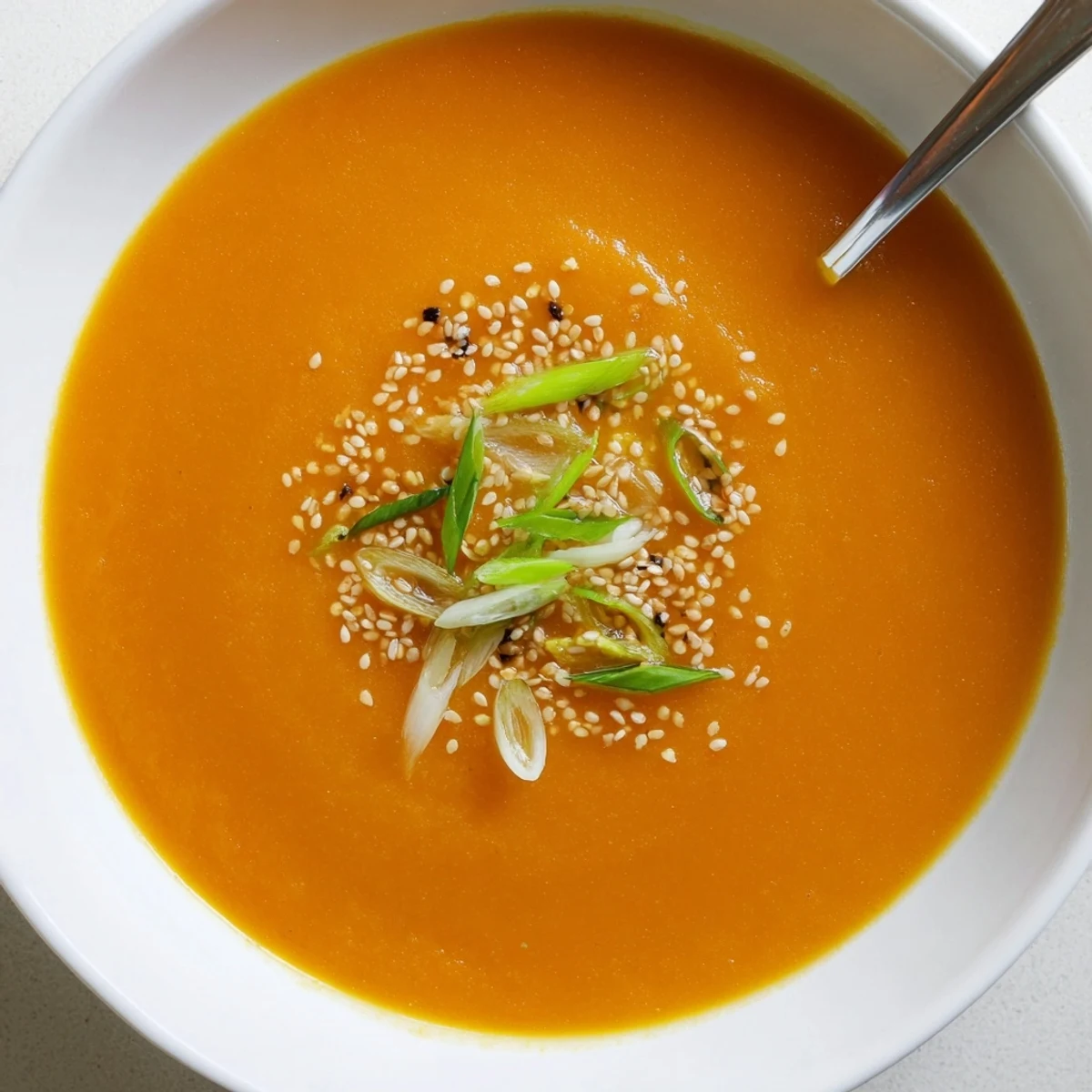
- Taste for salt and pepper, reheat gently if needed but never let it boil after the miso goes in, then ladle into bowls and scatter scallions and sesame seeds over the top.
 Pin to board
 Somewhere between the second and third time I made this, it stopped being just a recipe and became the thing I reach for when the world feels a little too loud.
Making It Your Own
A pinch of chili flakes stirred in at the end changes the whole personality of this soup, giving it a prickly warmth that somehow makes the ginger taste even brighter.
Swaps and Substitutions
If you replace half the carrots with sweet potato you get a slightly earthier, more golden soup that is just as comforting and maybe even more filling on a cold evening.
Serving and Pairing
A glass of chilled Riesling beside this soup is an unexpectedly perfect match, the crisp acidity cutting through the sweetness while the ginger bridges both the glass and the bowl.
- A swirl of coconut milk on top adds a creamy richness that feels indulgent without much effort.
- Crusty bread for dipping is not optional in my house, it is a requirement.
- Always taste before serving because the salt level can vary wildly depending on your broth and miso brand.
 Pin to board
 This is the kind of soup that makes your kitchen smell like someone is taking good care of you, and honestly that might be the best reason to cook anything at all.
Recipe FAQs
- → Can I make this ahead and reheat?
-
Yes. Keep chilled in an airtight container for up to 3 days or freeze for longer. Reheat gently on low and avoid boiling once miso has been added to preserve its flavor and beneficial enzymes.
- → Which miso is best to use?
-
White miso gives a mild, sweet umami that complements carrots and ginger. You can use yellow or red miso for a stronger, saltier profile—adjust the amount and taste as you go.
- → How do I achieve a creamier texture?
-
Blend thoroughly until perfectly smooth, or add a splash of coconut milk or neutral oil while blending. Roasting the carrots before simmering also deepens flavor and can create a richer mouthfeel.
- → Can I substitute other vegetables for carrots?
-
Sweet potatoes or butternut squash work well for a sweeter, thicker finish. Use up to half swapped quantity to keep the bright carrot note and adjust simmering time until tender.
- → How should I adjust salt and umami?
-
Taste after adding dissolved miso and a little soy sauce or tamari. Because miso adds saltiness, add small amounts, tasting between additions. A squeeze of lemon or splash of rice vinegar can brighten if needed.
- → What garnishes and pairings work best?
-
Top with sliced scallions, toasted sesame seeds, or a drizzle of sesame oil for contrast. Pairs nicely with a crisp white wine like Riesling or simple steamed greens for a light meal.