
 Pin to board
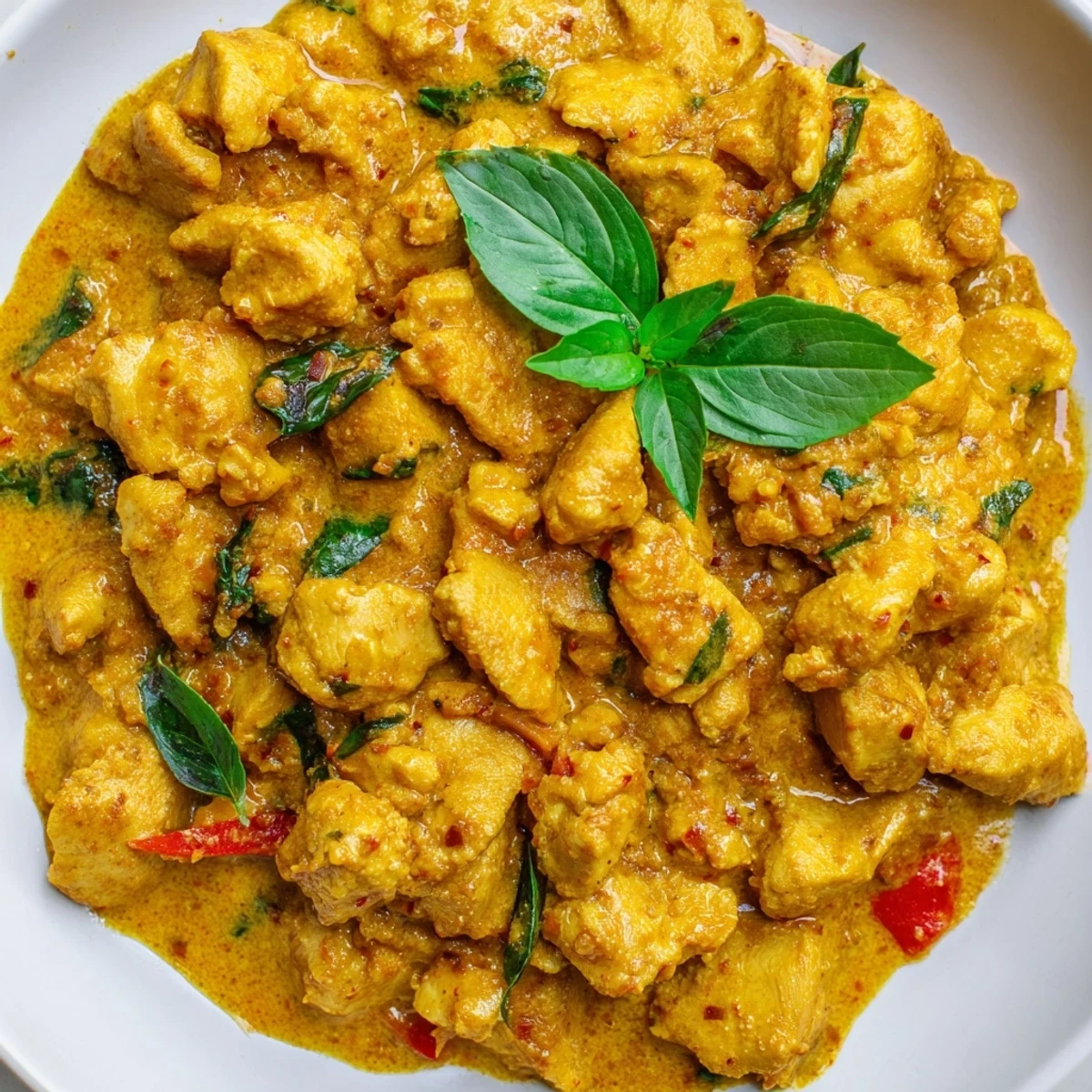
 This Thai-inspired basil chicken features tender, bite-sized chicken breast pieces simmered in a rich, creamy coconut curry sauce. The dish comes together with aromatic ingredients like fresh ginger, garlic, and red curry paste, finished with bright lime juice and generous handfuls of fresh basil.
Ready in just 40 minutes with 15 minutes of prep, it's an ideal weeknight dinner that serves four. The coconut milk creates a luscious, golden sauce that pairs perfectly with steamed jasmine rice.
Naturally gluten-free and dairy-free, this dish balances savory, slightly sweet, and herbaceous flavors that will satisfy the whole table.
The smell of coconut milk hitting a hot pan with curry paste is one of those things that makes everyone in the house wander into the kitchen asking when dinner will be ready. I started making this basil chicken on a rainy Tuesday when the fridge was nearly empty and the only things going strong were a bundle of basil and a can of coconut milk. It has since become the meal I reach for when comfort needs to happen fast. Forty minutes from cutting board to table, and every single one of them smells incredible.
My neighbor once knocked on my door while this was simmering and jokingly asked if I was running a Thai restaurant out of my kitchen. I handed her a plate over the fence that night, and now she texts me every couple of weeks hinting that it has been too long since the last batch.
Ingredients
- Boneless skinless chicken breasts (1.5 lbs, cut into bite sized pieces): Cutting the chicken small means it cooks quickly and every piece gets coated in that gorgeous sauce.
- Large onion, finely chopped: Onion forms the sweet foundation that balances the curry heat.
- Garlic (3 cloves, minced): Fresh garlic makes a noticeable difference here, so skip the jarred kind if you can.
- Red bell pepper, sliced: The pepper adds color and a slight crunch that keeps the dish from feeling one note.
- Fresh basil leaves (1 cup chopped, plus extra for garnish): Basil stirred in at the end releases an aroma that ties everything together beautifully.
- Fresh ginger (1 tablespoon, grated): Ginger gives the sauce a warm brightness that you simply cannot get from dried powder.
- Coconut milk (one 14 oz can): Full fat coconut milk creates that silky, creamy texture that makes the sauce irresistible.
- Soy sauce (1 tablespoon, gluten free if needed): A splash of soy sauce adds depth and saltiness that rounds out the coconut sweetness.
- Fish sauce (1 tablespoon): Fish sauce is the secret weapon here, adding savory umami without tasting fishy at all.
- Red curry paste (2 tablespoons): Start with two tablespoons and adjust up if you like more heat.
- Olive oil or coconut oil (1 tablespoon): Coconut oil amplifies the tropical flavor, but olive oil works perfectly fine.
- Ground turmeric (1 teaspoon): Turmeric gives the dish its warm golden hue and a subtle earthy note.
- Sugar (1 teaspoon): Just a touch of sugar balances the salt and spice without making anything sweet.
- Salt and black pepper to taste: Season at the end so you can account for the salt already in the soy and fish sauces.
- Juice of 1 lime: A squeeze of lime at the finish wakes up every flavor on the plate.
Instructions
- Get the pan hot:
- Heat your oil in a large skillet or wok over medium high heat until it shimmers just slightly. You want the pan hot enough that the onion sizzles the moment it lands.
- Build the aromatics:
- Toss in the chopped onion, minced garlic, and grated ginger, stirring constantly for 2 to 3 minutes until your kitchen smells like a spice market. Keep things moving so the garlic does not brown.
- Bloom the curry paste:
- Add the red curry paste and turmeric, stirring for about a minute until the paste darkens slightly and coats the onion mixture. This step releases the full flavor of the spices before any liquid goes in.
- Brown the chicken:
- Add the chicken pieces in a single layer and let them sit untouched for about a minute before stirring so they get a nice sear. Cook for 4 to 5 minutes total, turning so the pieces are lightly browned on all sides.
- Soften the pepper:
- Stir in the sliced bell pepper and cook for another 2 minutes. You want it just slightly tender but still holding its shape.
- Simmer in coconut sauce:
- Pour in the coconut milk, soy sauce, fish sauce, and sugar, then bring everything to a gentle simmer. Reduce the heat to medium and let it bubble uncovered for 10 minutes until the chicken is cooked through and the sauce thickens enough to coat the back of a spoon.
- Finish with basil and lime:
- Stir in the chopped basil and lime juice, cooking for just one more minute. The basil should wilt softly but stay bright green.
- Taste and serve:
- Give the sauce a taste and adjust with salt and pepper as needed, then serve hot over steamed jasmine rice with extra basil leaves scattered on top.
 Pin to board
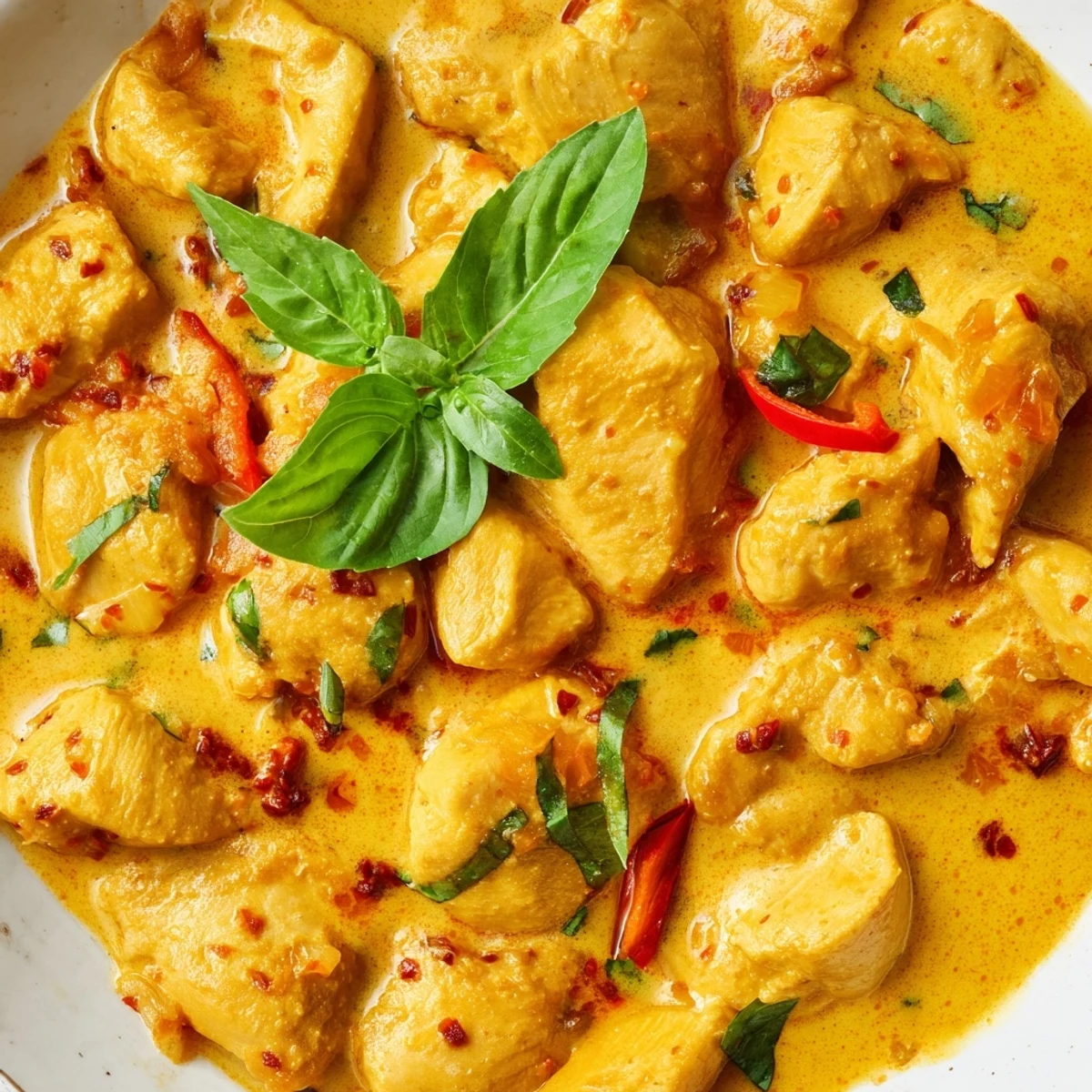
 There is something about ladling this saucy, golden chicken over a bowl of steamed rice that turns an ordinary weeknight into an event worth sitting down for.
Making It Your Own
Once you have the base down, this recipe is endlessly adaptable depending on what is sitting in your crisper drawer. I have tossed in handfuls of spinach, swapped the pepper for snap peas, and even thrown in leftover roasted sweet potato with great results. The coconut curry sauce is forgiving enough to handle almost any vegetable you want to use up.
A Note on Curry Paste
Not all curry pastes are created equal, and the brand you choose will shape the final flavor more than anything else in the ingredient list. I keep two jars in my fridge at all times, a mild one for sensitive palates and a fiery one for nights when I want to sweat a little. Taste a tiny dab from the jar before you start cooking so you know what you are working with.
Serving and Storing
This dish reheats beautifully the next day, and some might argue the sauce actually improves after a night in the fridge as the flavors settle and deepen. Just warm it gently on the stove with a splash of water to loosen the sauce back up.
- Store leftovers in an airtight container for up to three days.
- Freeze portions without the rice for quick future dinners.
- Always garnish with fresh basil right before serving, never ahead of time.
 Pin to board
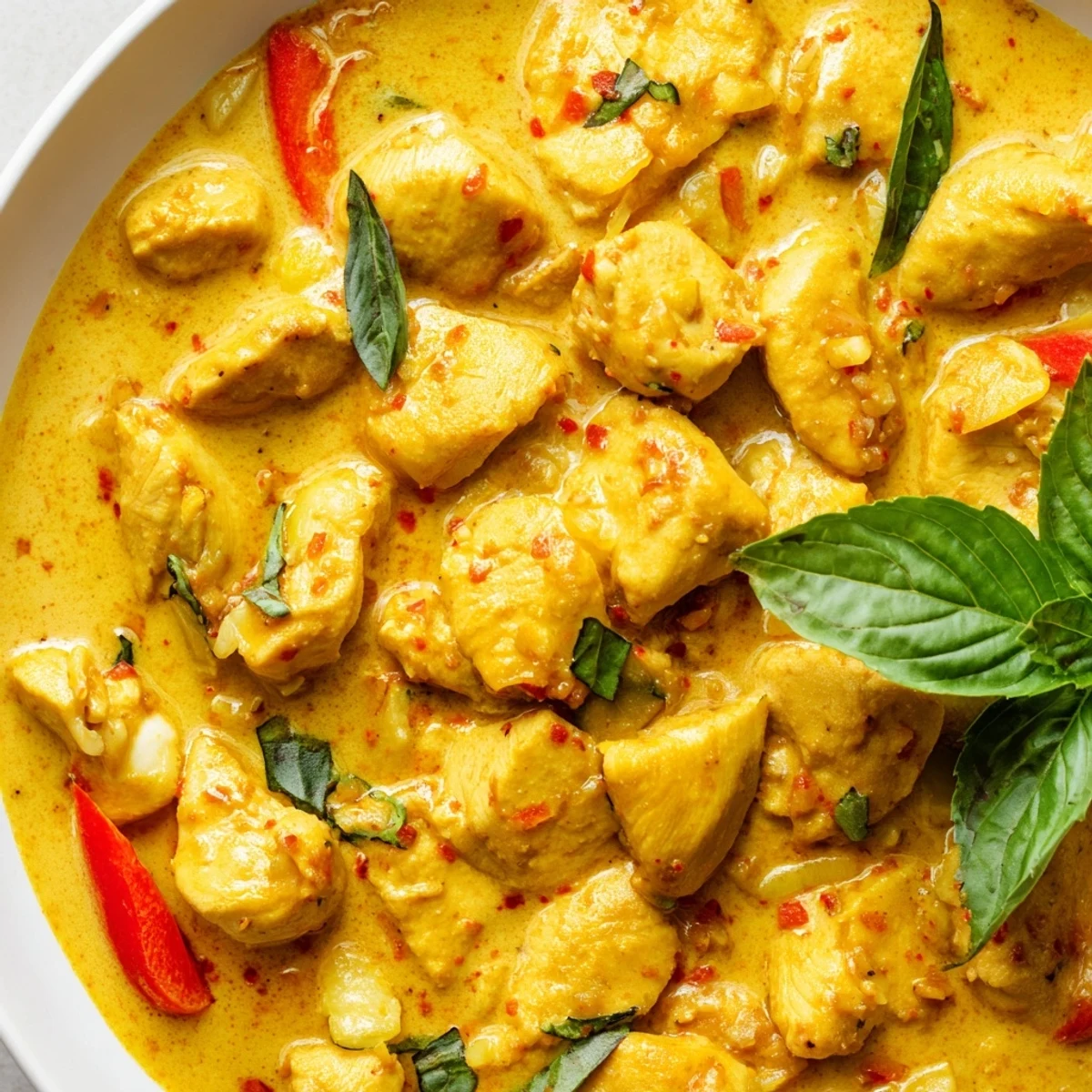
 Keep this recipe in your back pocket for the nights when you need dinner to feel like a small victory. It never lets me down.
Recipe FAQs
- → What type of curry paste works best for this dish?
-
Red curry paste provides a balanced heat and deep color that complements the coconut milk beautifully. Thai-style red curry paste from jars or cans works perfectly. For a milder dish, start with one tablespoon and adjust to taste.
- → Can I use chicken thighs instead of breasts?
-
Absolutely. Boneless, skinless chicken thighs are a great substitute and will remain even more tender and juicy during simmering. Cut them into similar bite-sized pieces and follow the same cooking times.
- → How do I store and reheat leftovers?
-
Store cooled leftovers in an airtight container in the refrigerator for up to 3 days. Reheat gently in a skillet over medium-low heat, adding a splash of water or coconut milk if the sauce has thickened too much. Avoid microwaving on high to prevent the chicken from drying out.
- → What can I substitute for fish sauce?
-
If you have a fish allergy or prefer a vegetarian version, use additional soy sauce or tamari with a squeeze of lime juice to replicate the savory, umami depth. Coconut aminos also work as a milder, slightly sweeter alternative.
- → Is this dish very spicy?
-
With two tablespoons of red curry paste, the dish has a moderate, approachable warmth. To reduce heat, use just one tablespoon of curry paste. To increase the spice level, add sliced fresh Thai chilies or an extra tablespoon of curry paste during cooking.
- → What sides go well with this coconut curry chicken?
-
Steamed jasmine rice is the classic pairing, soaking up the flavorful sauce. Steamed basmati rice, cauliflower rice, or rice noodles also work well. A side of pickled vegetables or a simple cucumber salad adds a refreshing contrast to the rich curry.