
 Pin to board
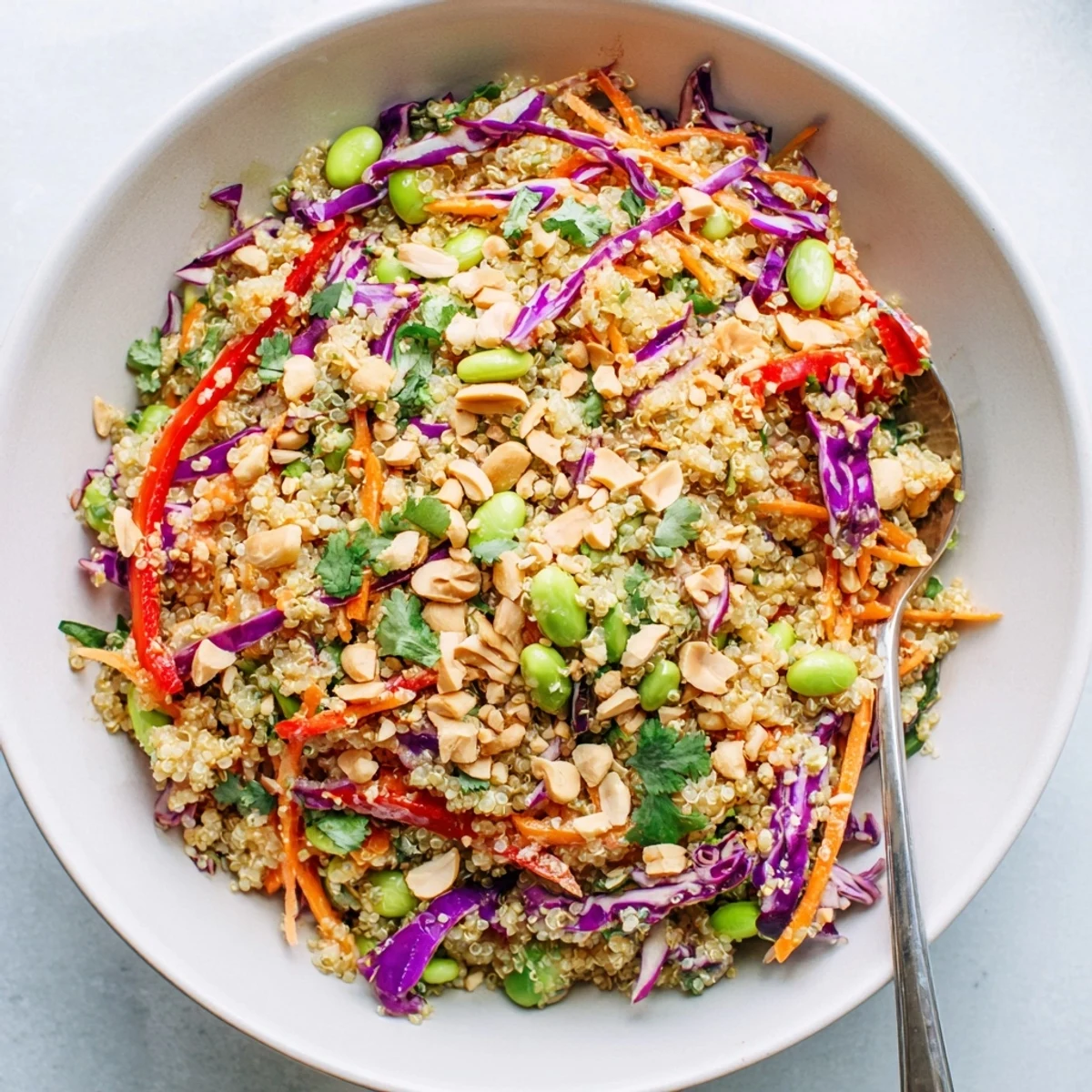
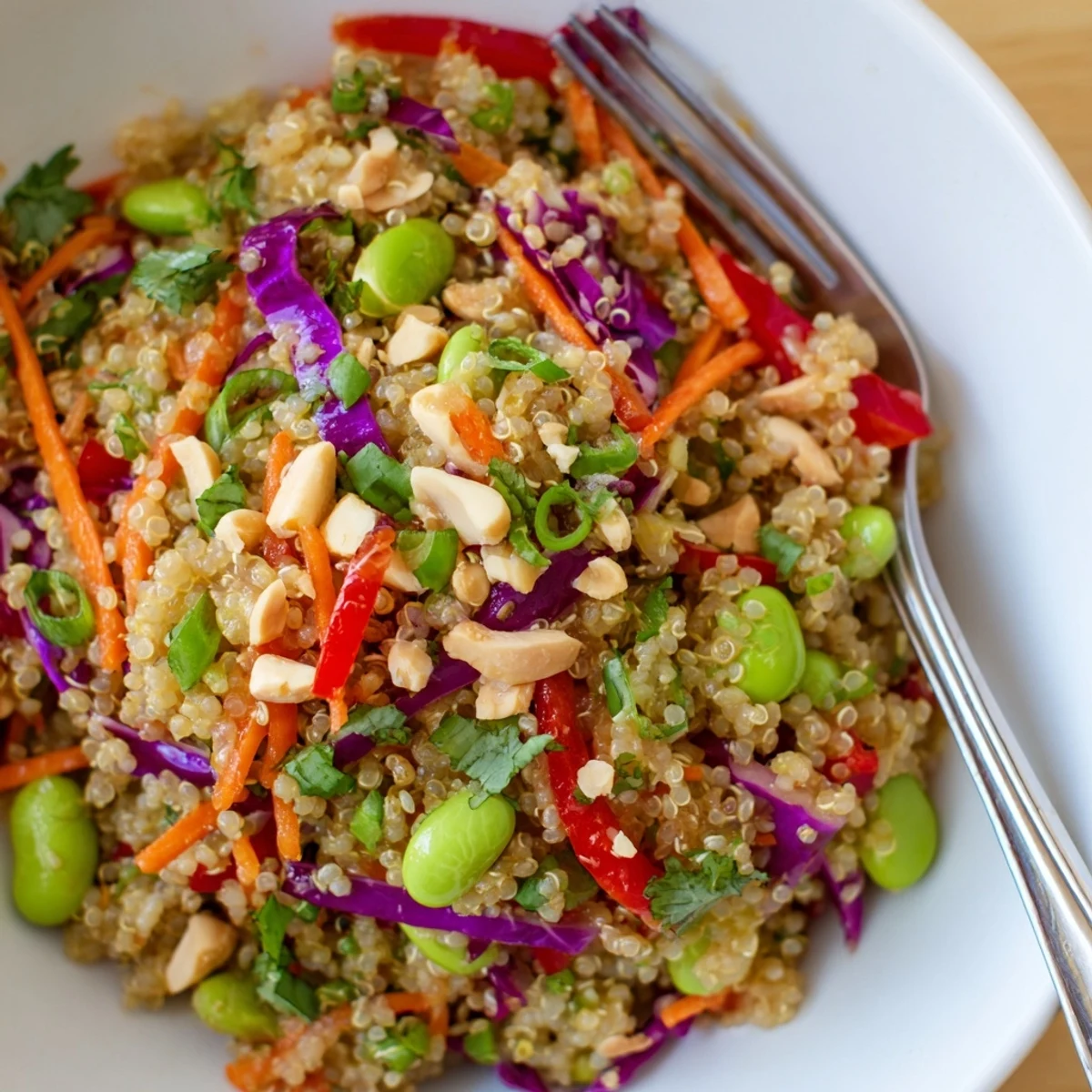
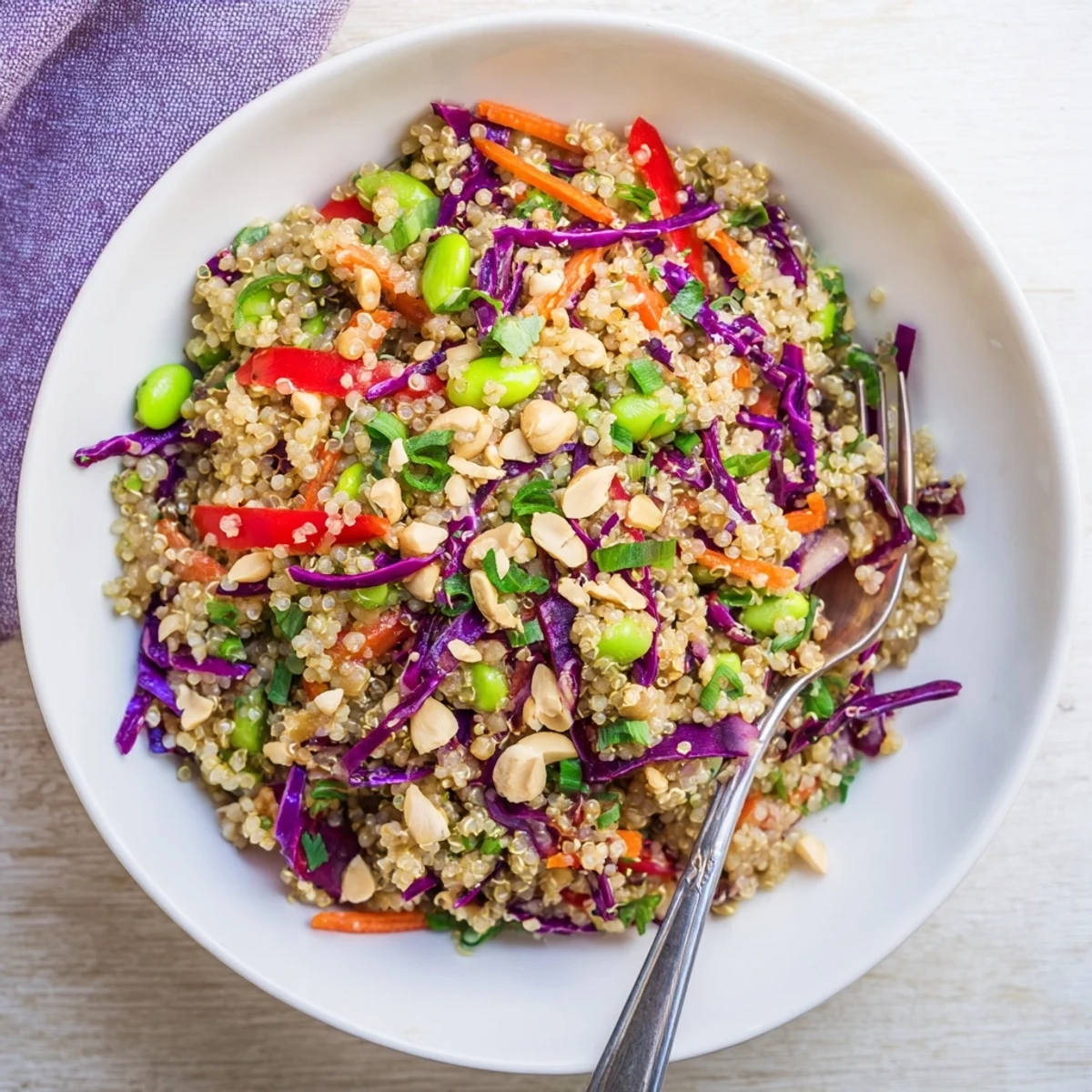
 Cook and cool fluffy quinoa, then combine with shredded purple cabbage, carrots, sliced bell pepper, shelled edamame and cilantro. Whisk soy or tamari, rice vinegar, toasted sesame oil, lime, ginger, garlic and a touch of sweet heat; toss through the grains and veg. Finish with chopped peanuts or seeds, chill briefly if desired, and serve chilled or at room temperature.
The smell of toasted sesame oil hit me before I even opened the jar, and suddenly I was back in my tiny apartment kitchen wondering why I had never thought to put quinoa and Asian dressing together. It was a Tuesday, nothing special, and I had a half bag of quinoa staring at me from the pantry. Thirty minutes later I was eating standing up at the counter because I could not wait to sit down.
I brought this to a potluck once and watched three people ask for the recipe before they even finished their plates. My friend Elena texted me at midnight that night saying she had already made a second batch. There is something about the lime and ginger combination that makes people a little unreasonable.
Ingredients
- Quinoa (1 cup uncooked): Rinse it well under cold water or it will taste like soap, a lesson I learned the hard way more than once.
- Water (2 cups): Standard ratio, but if your quinoa tends to come out mushy, try reducing to one and three quarters cups.
- Purple cabbage (1 cup shredded): This is what makes the salad visually stunning, so do not skip it.
- Carrots (1 cup shredded): Matchstick cuts hold their texture better than grated carrots, which can turn watery.
- Red bell pepper (1, thinly sliced): Any color works, but red gives a sweetness that balances the sriracha.
- Edamame (1 cup shelled and cooked): Frozen works fine, just thaw and pat dry so they do not water down the salad.
- Green onions (3, thinly sliced): Slice them at a steep angle for those pretty diagonal pieces.
- Fresh cilantro (1/4 cup chopped): If you are one of those people who think cilantro tastes like soap, flat leaf parsley steps in nicely.
- Roasted peanuts or cashews (1/4 cup, optional): Crush them roughly so you get big chunks and fine bits.
- Soy sauce or tamari (3 tablespoons): Tamari keeps it gluten free and actually tastes richer.
- Rice vinegar (2 tablespoons): Seasoned or unseasoned both work, but if using seasoned, cut back on the honey slightly.
- Toasted sesame oil (1 tablespoon): This is the backbone of the whole dressing, so buy a good bottle.
- Honey or maple syrup (1 tablespoon): Maple syrup keeps it vegan and adds a rounder sweetness.
- Lime juice (1 tablespoon): Fresh only, the bottled stuff tastes flat here.
- Fresh ginger (1 teaspoon grated): Freeze your ginger and grate it straight from frozen for the finest texture.
- Garlic (1 clove, minced): One is enough because raw garlic can hijack the whole bowl.
- Sriracha (1 teaspoon, optional): Add more if you like heat, but start with one teaspoon and taste first.
- Salt (1/2 teaspoon): The soy sauce is already salty, so this is just a finisher.
- Black pepper (1/4 teaspoon): Freshly cracked makes a real difference in a raw dressing.
Instructions
- Wash and cook the quinoa:
- Put the raw quinoa in a fine mesh strainer and rinse under cold running water for at least thirty seconds, swishing it around with your fingers. Dump it into a saucepan with the water, bring it to a boil, then drop the heat to low, cover it, and let it simmer for twelve to fifteen minutes until every grain has absorbed the water and sprouted little tails. Fluff it gently with a fork and spread it on a plate or baking sheet so it cools down fast.
- Prep all the vegetables:
- While the quinoa cools, shred the cabbage and carrots as thinly as you can manage, slice the bell pepper into slim strips, and cut the green onions on a sharp diagonal. If your edamame is frozen, run it under warm water and press each pod gently between your fingers to pop the beans out, then pat them dry with a towel.
- Whisk the dressing:
- In a small bowl or a mason jar, combine the soy sauce, rice vinegar, sesame oil, honey, lime juice, grated ginger, minced garlic, sriracha, salt, and pepper, then whisk or shake vigorously until the mixture looks unified and smells bright. Dip a spoon in and taste it before moving on, adjusting any element that feels off.
- Bring everything together:
- In your largest bowl, pile in the cooled quinoa, cabbage, carrots, bell pepper, edamame, green onions, and cilantro, then pour the dressing over the top and toss with two spoons or tongs until every grain and vegetable glistens evenly.
- Add the crunch:
- Scatter the chopped peanuts or cashews over the top right before serving so they keep their snap instead of softening in the fridge overnight.
- Serve or chill:
- You can eat it right there at the counter, but if you have the patience to let it sit in the refrigerator for thirty minutes the flavors will marry and the whole salad will taste noticeably more cohesive.
 Pin to board
 There was a stretch last summer where I made this every Sunday and packed it for lunch four days straight without getting bored. My coworker David started bringing his own container and we would eat side by side comparing whose dressing had more bite that week.
Swaps and Substitutions
Cucumber, snap peas, and radishes all belong in this salad if you have them sitting around. Grilled chicken or pressed tofu transforms it from a side into a full dinner without any other changes. I once used leftover roasted sweet potato cubes and the sweetness against the lime ginger dressing was a happy accident I have repeated on purpose many times since.
Storage That Actually Works
Keep it in a sealed container in the refrigerator and it stays good for up to four days, though the nuts will soften by day three so I store them separately in a small bag. The cabbage and carrots actually improve with time, which is rare for a salad. If you are meal prepping, make a double batch of the dressing and keep it in its own jar so you can refresh each portion as needed.
Tools You Will Reach For
A saucepan for the quinoa and a big bowl for tossing are really the only essentials here. Beyond that, a sharp knife and cutting board make quick work of the vegetables, a small jar with a tight lid is perfect for shaking the dressing, and tongs give you the best leverage for coating every grain evenly.
- A fine mesh strainer is the one tool people skip and the one that ruins the dish if you do.
- Box grater or mandoline turns shredding carrots into a thirty second job.
- Always taste the dressing before you commit it to the bowl.
 Pin to board
 This is the kind of recipe that earns a permanent spot in your rotation because it asks almost nothing and gives back a bowl full of color, crunch, and confidence. Make it once and you will start riffing on it without even thinking.
Recipe FAQs
- → How long can the dressed salad be stored?
-
Keep in an airtight container in the fridge for up to 3 days; dressing will meld into the quinoa and veg, so store extra dressing separately if you prefer a fresher bite.
- → Any tip to make quinoa light and fluffy?
-
Rinse quinoa thoroughly to remove the bitter coating, use the correct water ratio, simmer gently until absorbed, then fluff with a fork and let it cool uncovered to release steam.
- → How can I make this gluten-free?
-
Use tamari instead of soy sauce and verify all packaged ingredients (such as sriracha and vinegar) are labeled gluten-free to avoid cross-contamination.
- → What can I swap for nuts to keep it allergy-friendly?
-
Omit nuts and use toasted sunflower or pumpkin seeds for crunch, or simply skip the topping for a nut-free option while keeping a similar texture contrast.
- → Can I add more protein to make it a main dish?
-
Yes—top with grilled chicken, shrimp or tofu for extra protein, or toss in extra edamame and some cubed firm tofu for a vegetarian boost.
- → How should the dressing be adjusted for more acidity or sweetness?
-
Balance by adding small increments: more lime or rice vinegar for acidity, a touch more honey or maple syrup for sweetness, and extra sesame oil for depth.