
 Pin to board
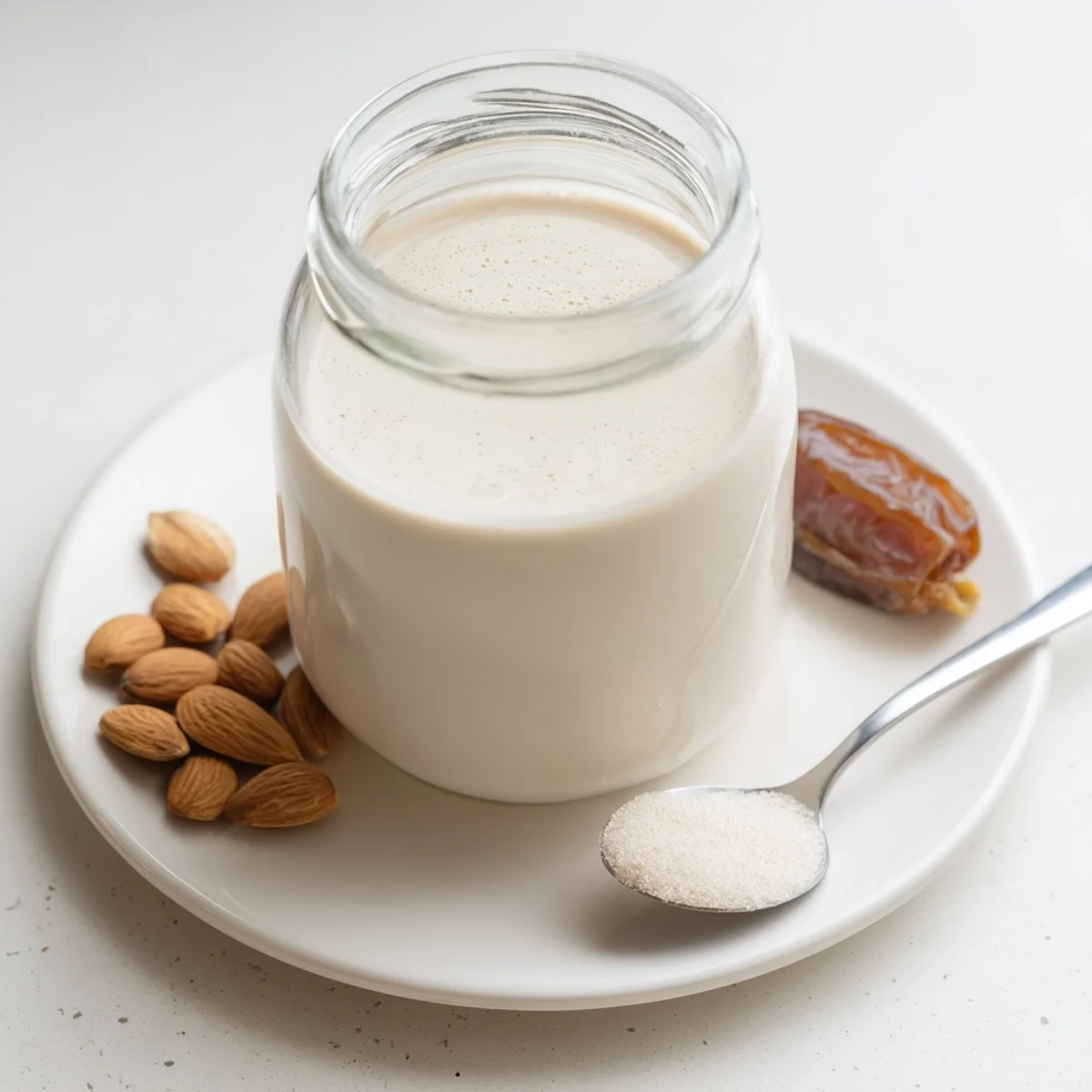
 Soak raw almonds overnight, drain, then blend with 4 cups filtered water and optional dates or vanilla for 1-2 minutes until silky. Strain through a nut milk bag or fine sieve, squeezing to extract as much liquid as possible. Yields about 1 liter; keep chilled and use within 3-4 days. Save the pulp for baking or smoothies and adjust water for thinner or creamier texture.
My blender was gathering dust on the top shelf until a Tuesday morning when store-bought almond milk started tasting oddly thin and sweet to me, so I grabbed a bag of raw almonds and decided to see what the real stuff was like.
I brought a jar of this to my sisters brunch last spring, and she stood in the kitchen pouring it into her coffee, then immediately texted me asking for the recipe before the pancakes were even off the griddle.
Ingredients
- Raw almonds (1 cup, about 150 g): Use truly raw, unsalted almonds, not the roasted kind, because roasting changes the flavor entirely and you want that clean, sweet creaminess.
- Filtered water (4 cups, 1 liter, plus more for soaking): Since water is the main ingredient here, filtered water makes a noticeable difference in the final taste.
- Pitted dates (1 to 2, optional): These add a gentle, caramel like sweetness that feels much rounder than refined sugar.
- Vanilla extract (1 tsp, optional): A teaspoon elevates the milk from good to something you want to drink straight from the jar.
- Sea salt (a pinch, optional): Just a small pinch wakes up all the flavors and keeps the milk from tasting flat.
Instructions
- Soak the almonds:
- Drop the almonds into a bowl, cover them generously with water, and walk away for at least eight hours or overnight. You will know they are ready when they look plump and you can pinch one easily between your fingers.
- Drain and rinse:
- Pour off the soaking water and rinse the almonds under the tap until the water runs clear. This step matters because the soaking water contains tannins that can make the milk taste bitter.
- Blend everything together:
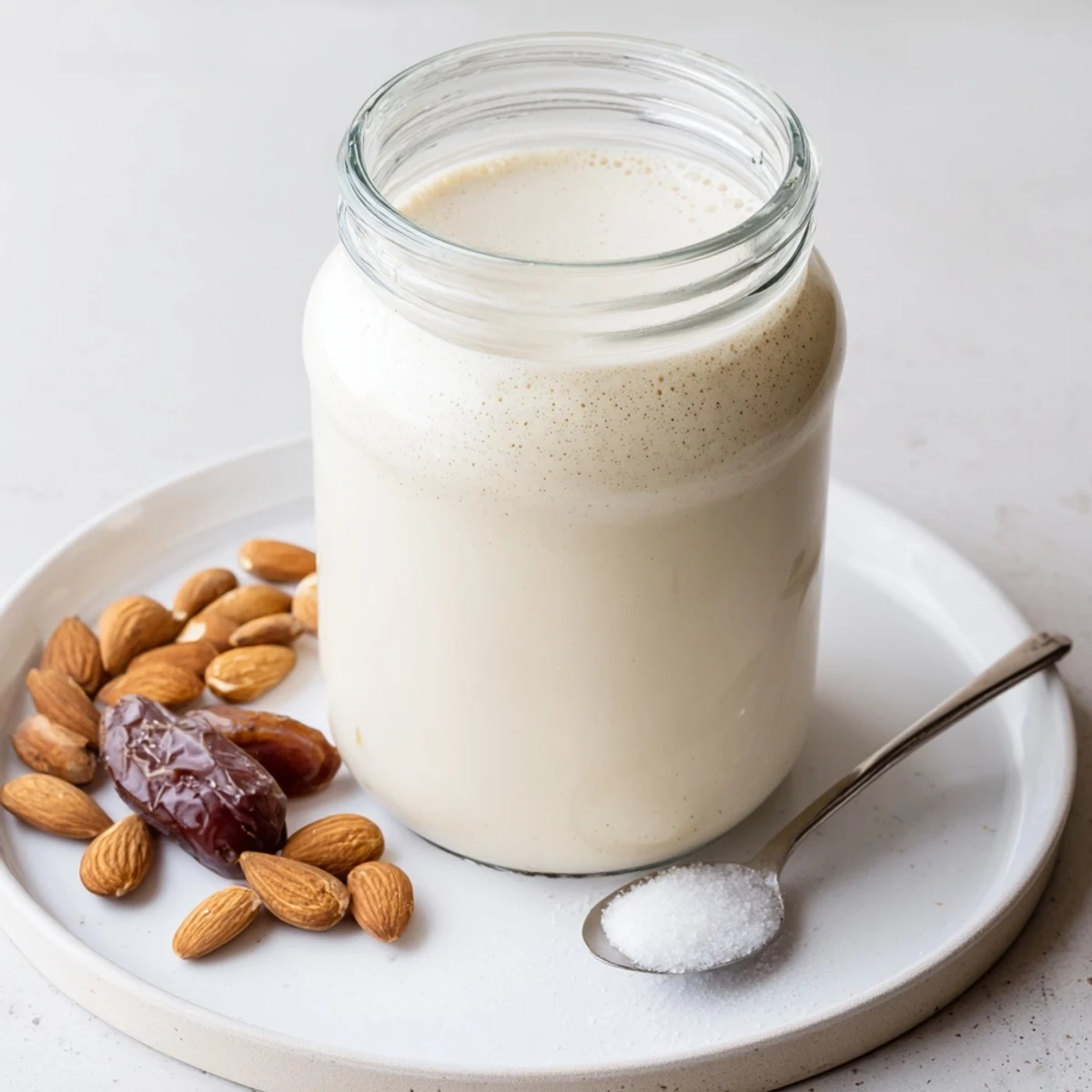
- Toss the rinsed almonds into your blender with four cups of fresh filtered water, then add the dates, vanilla, and salt if you are using them. Blend on high for one to two minutes until the mixture looks completely smooth and frothy on top.
- Strain the milk:
- Pour the blended mixture through a nut milk bag or a double layer of cheesecloth into a large bowl, gathering the corners and squeezing firmly to extract every last drop of liquid. Do not be gentle here, really press and wring it out.
- Store and enjoy:
- Transfer the strained milk into a clean bottle or jar and pop it in the refrigerator. Give it a hearty shake before each use, and plan to finish it within three to four days.
 Pin to board
 Making this weekly has become a quiet ritual, a small act of care that makes ordinary mornings feel slightly more intentional.
Getting the Consistency Right
If you like your milk on the richer side, try reducing the water to three cups and you will get something closer to half and half. For a lighter version that works beautifully in smoothies, bump it up to five cups and the result pours like silk.
Do Not Toss That Pulp
The leftover almond pulp is a small bonus you should absolutely use. Spread it on a baking sheet, dry it in a low oven, and you have homemade almond flour for cookies or crusts.
Flavor Variations Worth Trying
Once you have the basic method down, the flavor possibilities open wide. My current favorite is adding a tablespoon of cocoa powder and an extra date for a chocolate milk that disappears embarrassingly fast.
- Blend in a handful of strawberries for a pink milk that kids love.
- A tablespoon of maple syrup and a dash of cinnamon makes it taste like autumn in a glass.
- Always taste and adjust sweetness gradually, because you can always add more but you cannot take it back.
 Pin to board
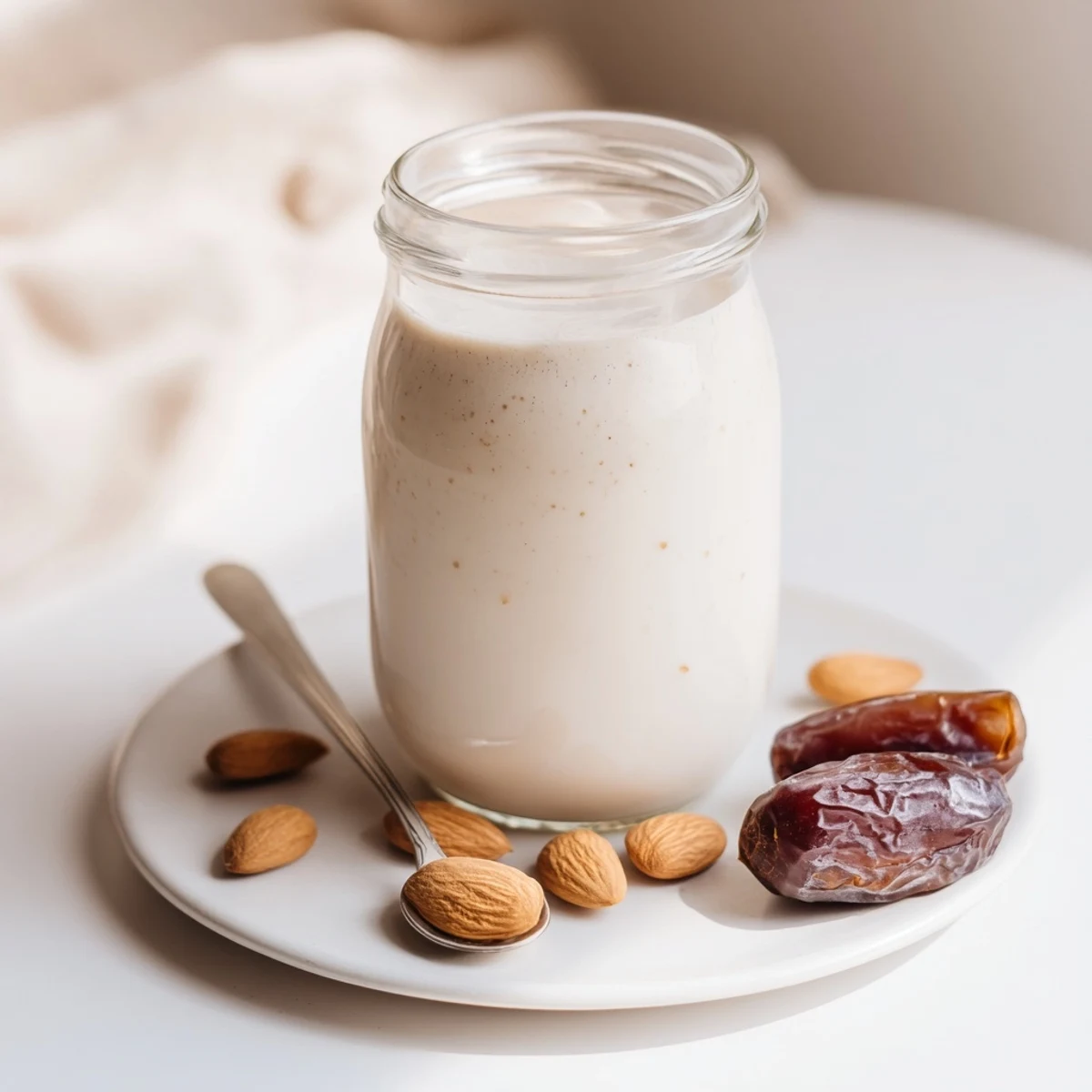
 Keep a jar in the fridge and your morning coffee, smoothie, or bowl of cereal will quietly thank you all week long.
Recipe FAQs
- → How long should almonds soak?
-
Soak at least 8 hours or overnight for best texture. Longer soaking softens skins and produces a smoother, creamier result. Warm water can shorten soak to about 4 hours but may affect flavor.
- → Is straining necessary for smooth milk?
-
Yes — straining through a nut milk bag, cheesecloth, or fine mesh sieve removes gritty solids and yields a silky milk. Squeeze thoroughly to extract maximum liquid.
- → How can I sweeten or flavor the milk?
-
Add 1–2 pitted dates, a splash of vanilla extract, maple syrup, or a pinch of sea salt while blending. Taste and adjust sweetness or flavor intensity as needed.
- → What can I do with the leftover almond pulp?
-
Save the pulp for baking, crackers, or smoothies. You can dry it to make flour, freeze for later use, or incorporate it into energy balls and granola for extra fiber.
- → How long does homemade almond milk last?
-
Keep refrigerated and use within 3-4 days. Shake well before each use. Discard if it develops an off smell or excessive separation beyond normal settling.
- → How do I make the milk thicker for coffee or creamy dishes?
-
Use less water when blending or increase almond quantity for a richer mouthfeel. Blending longer and leaving a bit more pulp in the liquid also enhances creaminess.